Colombia Earthquake Deaths Reach 169 as Emergency Response Targets Western Region
A 7.4-magnitude earthquake, the strongest in a decade for Colombia, has resulted in 169 fatalities and over 600 injuries. Newly inaugurated President Abelardo de la Espriella declared a state of emergency as rescuers search collapsed structures in major urban centers.
Key takeaways
- The 7.4-magnitude earthquake is Colombia's strongest seismic event in a decade.
- Casualties are concentrated in the western cities of Cali, Pereira, Manizales, and Quibdo.
- President Abelardo de la Espriella has declared a state of emergency to facilitate rescue efforts.
What Happened
A powerful 7.4-magnitude earthquake struck western Colombia at approximately 7:30 a.m. local time on Monday, August 10, 2026. According to the US Geological Survey, the seismic event occurred at a depth of 110 kilometers, likely resulting from movement within the Nazca tectonic plate. The tremors were felt as far as neighboring Ecuador and Panama, and caused mass evacuations in the capital city of Bogota.
Impact and Damage
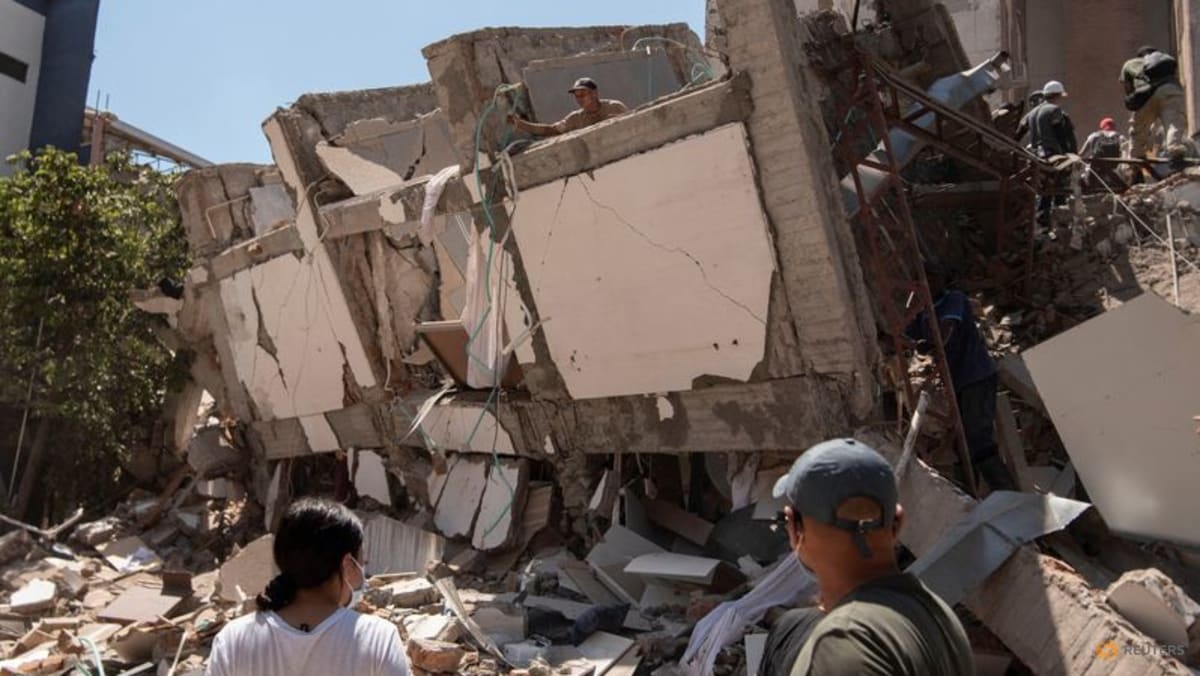
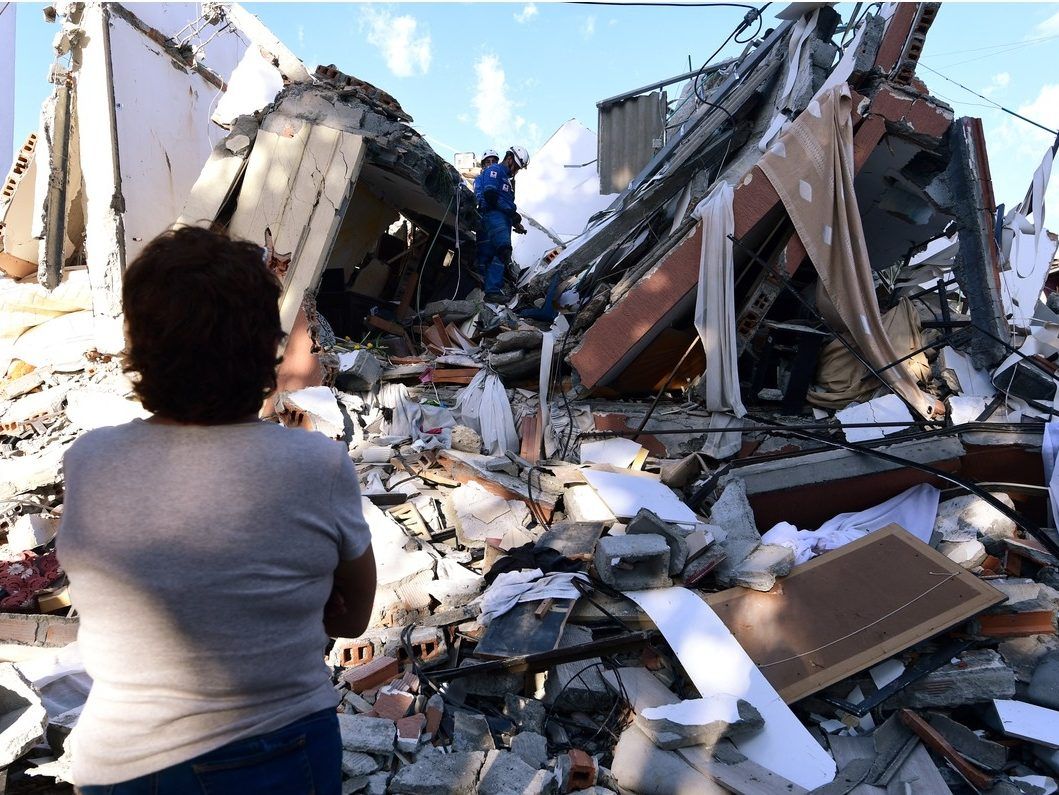
Data provided by an association of Colombian city mayors indicates that at least 169 people died and more than 600 others were injured. The destruction is concentrated in the cities of Cali, Pereira, Manizales, and Quibdo, where at least 165 buildings collapsed. In Manizales, the local neo-Gothic cathedral suffered structural failure when one of its towers crumpled. In Quibdo, the capital of the Choco department, public services and communications were effectively severed following the quake.
The city of Pereira experienced widespread power outages, forcing volunteers and professional rescuers to use hand tools and bare hands to search debris during the night. In Cali, local authorities implemented a nighttime curfew, while hospitals in five different cities were placed on red alert to manage the influx of casualties.
Key Facts
- Magnitude 7.4 earthquake struck western Colombia at 07:30 local time on August 10, 2026.
- Official death toll stands at 169 with over 600 individuals injured.
- 165 buildings are confirmed to have collapsed across the affected region.
- President Abelardo de la Espriella declared a national state of emergency three days after taking office.
- Air travel was disrupted as at least six local airports suspended operations.
What Happens Next
Rescue operations remain the immediate priority, with teams focused on locating survivors trapped beneath urban rubble. The state of emergency allows the national government to mobilize resources for recovery in the coffee-growing region and the Pacific coast. Local officials are currently assessing structural integrity in major cities, where many remaining buildings reportedly show significant cracking and gaps.
Sources reviewed
Project Chintan independently synthesized and analyzed information cross-checked across the sources listed above.