
Clothing Brands Offer Repair Workshops to Attract Gen Z Consumers
Apparel companies like Levi's and Uniqlo are introducing in-store mending services and workshops to appeal to Generation Z. These initiatives aim to align with young consumers' interest in sustainability and cost-saving, while brands seek to foster customer loyalty.
Key takeaways
- Clothing brands are implementing in-store repair workshops to attract Generation Z consumers.
- These initiatives aim to address Gen Z's interest in sustainability and budget-consciousness.
- Levi's 'Wear Longer' program teaches basic sewing skills to extend garment life.
- Despite growth in repair services, challenges exist in making them economically viable.
- Gen Z's preferences are driving the growth of the pre-owned clothing market.
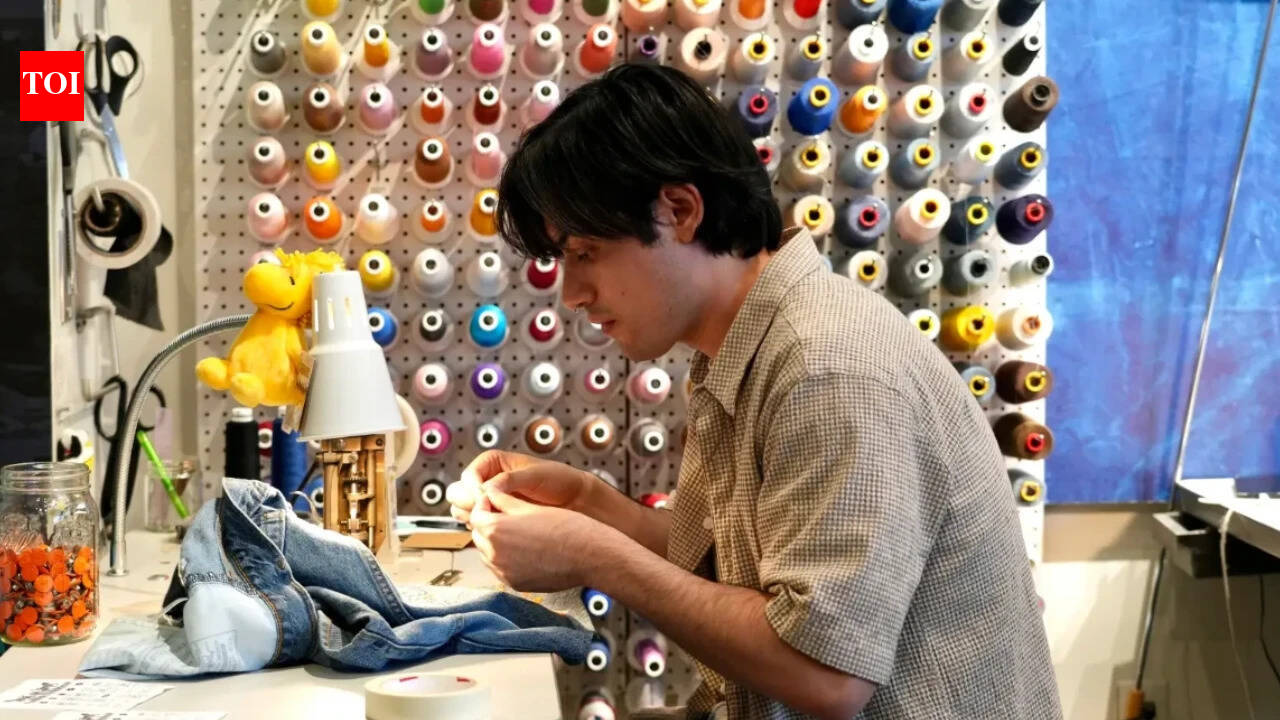
Clothing brands are increasingly offering in-store repair services and sewing workshops as a strategy to attract Generation Z shoppers. Companies are promoting mending worn garments as an alternative to purchasing new items, aiming to appeal to young consumers interested in both saving money and environmental sustainability.
What Happened
Brands including Levi Strauss & Co., Uniqlo, and Primark are implementing repair and customization services. Levi's, for example, has developed a hand-stitching course for high school students, teaching basic sewing skills like attaching buttons, hemming, patching, and fixing tears. This program, called 'Wear Longer', is being expanded across the US, building on existing repair services offered globally.
Why It Matters
The fashion industry faces significant pressure to reduce its environmental impact. Researchers note that repairing and reselling clothes can mitigate a garment's environmental footprint, particularly by delaying or replacing new purchases. However, many experts caution that these practices alone are insufficient to counteract the overall increase in clothing production and consumption. Generation Z, born between 1997 and 2012, has grown up with fast fashion and e-commerce, with their formative years influenced by the pandemic and subsequent inflation. This generation's preference for pre-owned clothing and potential budget constraints have contributed to the rapid growth of the second-hand market.
Background
While high-end fashion houses and specialty retailers like Patagonia have historically offered repairs, the concept is now gaining broader traction. The evolution of mending from a necessity and traditional craft to a customer engagement tool is a response to growing consumer awareness and industry-wide sustainability concerns.
Key Facts
- Levi Strauss & Co. offers a 'Wear Longer' program that teaches sewing skills.
- The program includes instruction on sewing buttons, hemming, patching holes, and fixing tears.
- Levi's is expanding this program across the US.
- Other brands like Uniqlo and Primark are also offering repair services.
- Generation Z was born between 1997 and 2012.
- Clothing production doubled between 2000 and 2015, while garment wearings declined by 36%.
- Less than 1% of discarded clothing material is recycled into new apparel.
- The pre-owned clothing market has grown faster than retail apparel sales in the US.
Challenges remain for the widespread adoption of repair services, including the economics and labor intensity involved. Companies like H&M Group have noted that manufacturing new garments can be less expensive than maintaining existing ones. Pricing repairs low enough to attract customers while remaining commercially viable presents a significant hurdle for retailers.
Sources reviewed
Project Chintan independently synthesized and analyzed information cross-checked across the sources listed above.
Related stories

Dr. M.P. Parameswaran, Kerala's People's Science Movement Pioneer, Dies

Alessandra Ambrosio Engaged to Jewelry Designer Buck Palmer

Alessandra Ambrosio Announces Engagement to Jewelry Designer Buck Palmer
