Government Refers FCRA Bill to Parliamentary Panel After Minority Appeals
The Union Government has softened its stance on the Foreign Contribution (Regulation) Amendment Bill, 2026, referring it to a Joint Parliamentary Committee following appeals from Christian organizations. The bill faced opposition over provisions allowing asset seizure from NGOs.
Key takeaways
- The Union Government has sent the Foreign Contribution (Regulation) Amendment Bill, 2026, to a Joint Parliamentary Committee for further review.
- This decision followed appeals from Christian organizations who urged the government to either refer the bill to a JPC or withdraw it.
- The bill's provisions, which allow for the seizure of assets created from foreign funds if an NGO's registration is impacted, had drawn criticism.
- Union Home Minister Amit Shah had engaged in multiple meetings with Christian groups to address their concerns regarding the legislation.
- A statement from a U.S. Congressman regarding the bill's potential impact on Christians was also cited as a factor in the government's reconsideration.

The Union Government has agreed to send the Foreign Contribution (Regulation) Amendment Bill, 2026, to a Joint Parliamentary Committee (JPC) for further examination. This decision follows appeals from several Christian organizations and opposition from political parties regarding the bill's provisions.
What Happened
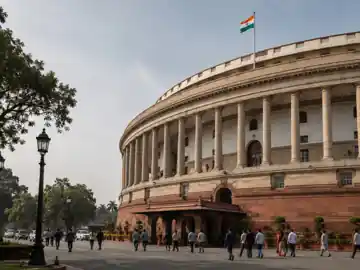
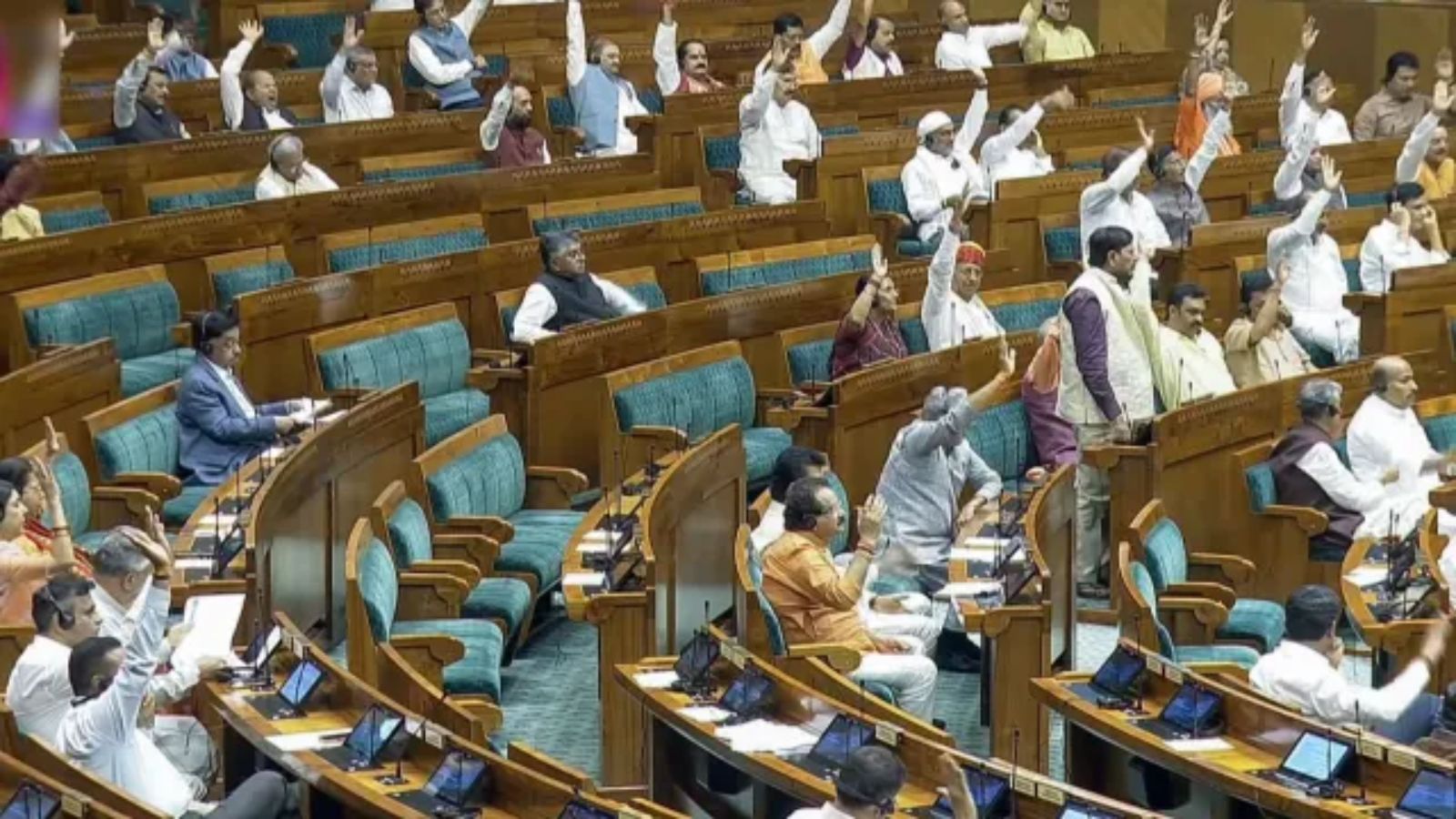
On August 9, Christian groups utilized social media platforms like YouTube, Facebook, and WhatsApp to request the government either send the Foreign Contribution (Regulation) Amendment Bill, 2026, to a JPC or withdraw it. Subsequently, on Wednesday, Minister of State for Home Nityanand Rai moved a motion in the Lok Sabha to refer the bill to a JPC, which was adopted amid parliamentary proceedings. The legislation, introduced on March 25, had been slated for passage during the ongoing Monsoon Session, which concludes on August 13.
Background
The Foreign Contribution (Regulation) Amendment Bill, 2026, proposes the establishment of a ‘designated authority’ with civil court powers. This authority can manage or dispose of assets funded by foreign contributions if an NGO’s Foreign Contribution (Regulation) Act (FCRA) registration is suspended, canceled, or not renewed. The assets could potentially be transferred or sold to the government or another designated body. Union Home Minister Amit Shah had held multiple meetings with various Christian groups, including a delegation representing Catholic, Protestant, and Orthodox denominations on August 6, to address their concerns about the bill.
Key Facts
- Christian organizations appealed on August 9 for the Foreign Contribution (Regulation) Amendment Bill, 2026, to be sent to a Joint Parliamentary Committee (JPC) or withdrawn.
- Minister of State for Home Nityanand Rai moved a motion in the Lok Sabha on Wednesday to send the Bill to a JPC, which was adopted.
- The Bill was introduced in the Lok Sabha on March 25 and was listed for passage in the ongoing Monsoon Session.
- The Bill allows a ‘designated authority’ to take over, manage, or dispose of assets created from foreign funds if an NGO’s FCRA registration is suspended, canceled, or not renewed.
- Union Home Minister Amit Shah held at least four meetings with Christian groups regarding their concerns since July 6, including one on August 6 with an 18-member delegation.
- Dravida Munnetra Kazhagam MP P. Wilson led a delegation representing the Joint Action Forum on Minorities.
- U.S. Congressman Riley Moore made a statement on X on August 4, characterizing the Bill as an attack on Christians.
- The Catholic Bishops’ Conference of India (CBCI) and the National Council of Churches in India (NCCI) welcomed the move to refer the bill to a JPC.
- Jonathan Lalremruata, advisor to the CBCI, stated that the legislation should distinguish between major and minor offenses before asset seizure.
- The CBCI plans to submit a list of Christian institutions whose registrations were allegedly canceled or delayed arbitrarily.
Why It Matters
The referral of the Bill to a JPC provides additional time for parliamentary review and aims to break a deadlock, as opposition parties had also been demanding discussions on other issues. The intervention by U.S. Congressman Riley Moore, who described the Bill as an “attack against Christians” and a potential concern for India-U.S. relations, may have also influenced the government's decision. Minority groups have expressed that while foreign fund regulation is necessary, the Bill should differentiate offenses and clarify procedures for asset seizure.
Sources reviewed
Project Chintan independently synthesized and analyzed information cross-checked across the sources listed above.