
CBI chargesheet names Samarth Singh, Giribala Singh in Twisha Sharma death case
The CBI filed a 636-page chargesheet in a Bhopal court naming Twisha Sharma’s husband and mother-in-law, alleging dowry harassment and abetment to suicide, while rejecting murder claims.
Key takeaways
- CBI filed a 636-page chargesheet in a Bhopal court naming Twisha Sharma’s husband and mother-in-law in a dowry harassment and abetment to suicide case.
- The agency concluded Twisha’s death was a suicide, not murder, while examining digital evidence and multiple autopsy reports.
- Initial allegations of in-laws’ mental cruelty and dowry-related pressure are central to the charges against the two accused.
What Happened
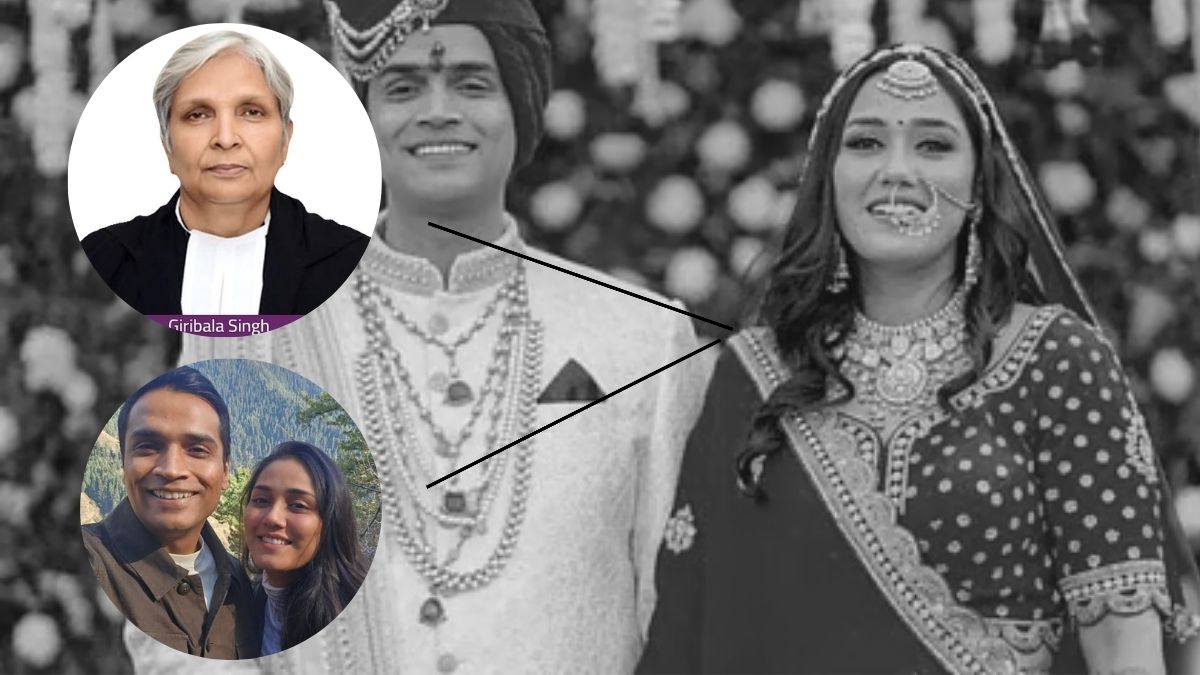
The Central Bureau of Investigation (CBI) has filed a chargesheet in a special court in Bhopal naming Samarth Singh (husband) and Giribala Singh (mother-in-law) in the Twisha Sharma death case. The document accuses both of dowry harassment and abetment to suicide, after the agency concluded Twisha’s death was a suicide, not a murder. The chargesheet—reported to be 636 pages long—was submitted on August 17, 2026, with the CBI stating it did not find evidence to support a murder charge.
Twisha Sharma, a former actor-model, was found dead at her marital home in Bhopal on May 12. The FIR initially alleged a sequence of events including alleged dowry-related harassment, mental cruelty and domestic violence. The CBI’s findings include analyses of WhatsApp chats, phone records and a final conversation with her mother, as well as voice samples from Samarth and Giribala.
The agency also examined the CCTV footage, addressing claims that portions were edited or selectively released. According to reports, the footage showed Samarth performing CPR and Giribala appearing in the recording. The CBI’s narrative distinguishes itself from the family’s earlier murder allegations that had been raised by Twisha’s father, N Sharma, and notes a second autopsy conducted by AIIMS Delhi in May 2026 as part of its investigation.
Why It Matters
The chargesheet formalizes a legal stance that Twisha’s death was a suicide linked to alleged dowry harassment and domestic pressure, rather than a homicide. By naming Samarth Singh and Giribala Singh with abetment to suicide and dowry-related torture, the CBI shifts the focus to alleged coercive behavior within the marriage rather than external foul play. The case highlights ongoing scrutiny of dowry-related violence and the use of forensic and digital evidence in high-profile investigations.
Background
Twisha Sharma married Samarth Singh in December 2025. She was found dead at their residence in Bhopal on May 12, 2026, with authorities initially recording a medico-legal case after she was brought to AIIMS Bhopal. A second autopsy conducted on May 24 by a four-member AIIMS Delhi team was ordered by the Madhya Pradesh High Court to address doubts and allegations of lapses in the first autopsy. The family has previously alleged mental cruelty and dowry-related torture by the in-laws.
Key Facts
- CBI filed a chargesheet on August 17, 2026, in a Bhopal Special Court.
- Accused: Samarth Singh (husband) and Giribala Singh (mother-in-law).
- Charges: dowry harassment and abetment to suicide; under sections of the Bharatiya Nyaya Sanhita and Dowry Prohibition Act.
- Death of Twisha Sharma occurred on May 12, 2026, at her marital home in Bhopal.
- Second autopsy conducted May 24, 2026, by AIIMS Delhi in Bhopal.
- The CBI found no evidence supporting murder allegations.
- Evidence cited by the CBI includes WhatsApp chats, phone records and a final conversation with her mother; voice samples were collected for forensic examination.
- The chargesheet totals 636 pages.
What Happens Next
The special court in Bhopal will consider the chargesheet and proceed with the judicial process, including any hearings, defense responses, and potential trial dates as scheduled by the court. The outcome will determine whether the case advances to trial and how the allegations of dowry harassment and abetment to suicide are adjudicated in court.
Sources reviewed
Project Chintan independently synthesized and analyzed information cross-checked across the sources listed above.
Related stories

CBI chargesheet against Twisha Sharma’s husband and mother-in-law in death case

Daughter suspected in murder of retired teacher in Vijayapura district

Burglary at AIADMK functionary’s home near Arakkonam