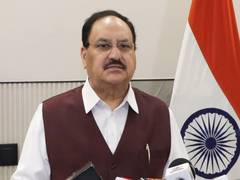
CJI Kant: BRICS forum a modern fabric woven with traditional threads
Chief Justice of India Surya Kant described the BRICS Chief Justices’ Forum as a modern fabric woven with traditional threads during Day 2 in New Delhi, with sessions on mediation, cross-border disputes, AI in judiciary, and international collaboration.
Key takeaways
- CJI Surya Kant described the BRICS Chief Justices’ Forum as a modern fabric woven with traditional threads during Day 2 in New Delhi.
- The gathering included BRICS and partner-country leaders discussing mediation, cross-border arbitration, AI in judiciary, and sustainable development.
What Happened
In New Delhi, on the second day of the BRICS Chief Justices’ Forum hosted by the Supreme Court of India, Chief Justice of India Surya Kant delivered the welcome address. He described the forum as a modern fabric woven with traditional threads and emphasised a shared mission among BRICS and partner-country judicial leaders to harness law for development and shared prosperity. The gathering included chief justices and presidents of supreme or top courts from BRICS member states and partner countries, with discussions spanning multiple substantive sessions on mediation and international commercial disputes, cross-border enforcement of arbitral awards, artificial intelligence and the judiciary, and judicial leadership and sustainable development.
Several high-ranking judicial leaders addressed the forum virtually or in person, including the President of the Supreme Court of Russia, the President of the Supreme Court of South Africa, the UAE Federal Supreme Court, the President of the Supreme Federal Court of Brazil, the Chief Justice of the Supreme Court of China, and leaders from Egypt and Ethiopia, who spoke on issues ranging from international cooperation, rule of law, and alternative-dispute-resolution mechanisms to the evolving role of AI in judicial functioning. The Supreme Court statement highlighted the forum’s aim to promote closer judicial dialogue and cooperation among BRICS member states and partner countries on emerging legal and institutional issues.
Why It Matters
Participants frame the BRICS forum as a platform to harmonize international legal standards and cooperation in an era of multipolar global governance. By emphasising predictable delivery of justice and the integration of technology with traditional processes, the forum aims to influence cross-border dispute resolution and the flow of international commerce within BRICS and partner countries. The emphasis on arbitration, mediation, and AI signals an intent to align judicial practices with evolving global commercial needs, potentially affecting international business, investment flows, and the enforcement of cross-border judgments.
Background
The BRICS Chief Justices’ Forum gathers senior judicial officials from Brazil, Russia, India, China, and South Africa, along with partner countries. The event served as a venue to discuss mediation, cross-border enforcement of arbitral awards, and the application of artificial intelligence in judicial work, as well as broader concerns about the rule of law and sustainable development within a multipolar international order. The New Delhi gathering builds on previous BRICS judicial exchanges aimed at deeper cooperation among legal systems and the exchange of experiences in handling modern legal challenges.
Key Facts
- Date and place: Day 2 of the BRICS Chief Justices’ Forum in New Delhi, September 2026.
- Host and organizer: Supreme Court of India.
- Caller: Chief Justice of India Surya Kant delivered the welcome address.
- Theme description: Forum described as a modern fabric woven with traditional threads.
- Attendees: Chief justices and presidents of supreme or top courts from BRICS member states and partner countries.
- Session topics: mediation and international commercial disputes; cross-border enforcement of arbitral awards; artificial intelligence and the judiciary; judicial leadership and sustainable development.
- Notable remarks: Leaders from Russia, South Africa, UAE, Brazil, China, Egypt and Ethiopia participated or were represented, focusing on cooperation, international law, and ADR mechanisms.
What Happens Next
The sources describe ongoing exchanges and the expectation of closer judicial dialogue and cooperation on emerging issues. Specific scheduled next steps or decisions are not detailed in the provided materials, but the forum’s framing points to continued discussions on multipolar international cooperation and the role of AI and arbitration in future judicial processes.
Sources reviewed
Project Chintan independently synthesized and analyzed information cross-checked across the sources listed above.
Related stories

SC panel seeks extension on Aravalli ecosystem framework
Tamil Nadu CM to move resolution on Tamil as Madras HC language
Rajasthan HC acting chief justice denies misuse allegations