
Distillers Challenge FSSAI Ban on Old Monk and McDowell Rum Stocks at Bombay High Court
United Spirits and Mohan Meakin have initiated legal action against the FSSAI following orders that halt the production and distribution of their flagship rum brands. The manufacturers argue the regulator lacks the authority to impose such bans without proving health risks or following proper statut
Key takeaways
- Manufacturers of Old Monk and McDowell’s No. 1 have challenged FSSAI orders that prohibit the sale of fresh rum stocks.
- The FSSAI demanded that existing rum inventory be relabeled as 'Rum Flavoured Spirit' to be eligible for sale.
- Petitioners argue that the FSSAI analyst found no health risks, making a total production ban legally groundless.
- The Bombay High Court will evaluate if the FSSAI exceeded its statutory powers under the Food Safety and Standards Act.
Overview
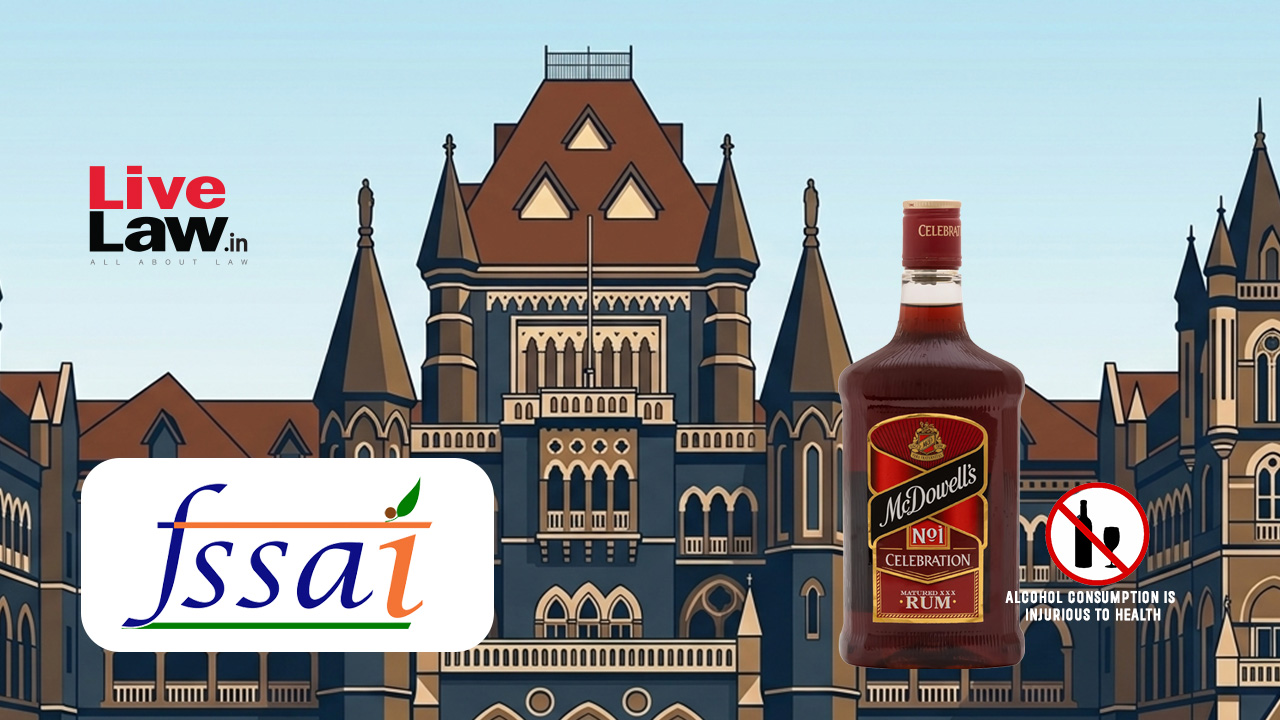
United Spirits Limited and Mohan Meakin Limited have approached the Bombay High Court to contest recent orders from the Food Safety and Standards Authority of India (FSSAI). The regulator's Western Regional Office issued directives on June 29 and July 27 that effectively halted the manufacturing and sale of fresh batches of McDowell’s No. 1 Celebration Matured Rum and Old Monk. A Division Bench comprising Acting Chief Justice Ravindra Ghuge and Justice Gautam Ankhad has scheduled the matter for a comprehensive hearing.
The Core Dispute
Representing United Spirits, Senior Advocate Dr. Birendra Saraf characterized the FSSAI's demands as operationally unfeasible and legally flawed. The regulator has allowed the clearance of current inventory only if it is rebranded as "Rum Flavoured Spirit." Legal counsel argued that this relabeling process is impossible to implement immediately, as it necessitates stripping existing labels and obtaining mandatory approvals from the State Excise Department for new packaging. The court noted that while an immediate total shutdown is generally impractical, it requires input from the Additional Solicitor General before deciding on the technical merits of the case.
Key Facts
- The FSSAI's Baramati unit inspection allegedly uncovered misleading labels and the use of unauthorized artificial flavoring agents.
- Petitions state that the Food Analyst found no evidence that the products are unsafe for human consumption or fail to meet alcoholic beverage standards.
- Legal teams argue that Section 36(3)(b) of the FSS Act, cited by the FSSAI, does not grant officers the power to prohibit sales independently.
- The manufacturers claim that only a competent court under Section 33 or the Commissioner of Food Safety under Section 34 can issue such prohibitions during health risks.
- A stakeholder meeting held on July 14, 2026, allegedly confirmed that the regulatory requirements in question are still under industry-wide deliberation.
Why It Matters
This case tests the limits of the FSSAI's administrative reach over established beverage brands. The petitioners contend that the regulator is enforcing unfinalized standards that were recently subject to stakeholder consultations. By prohibiting fresh stocks while permitting the sale of identical existing liquid under different names, the manufacturers argue the FSSAI is acting arbitrarily. The legal challenge highlights a potential procedural gap between regulatory inspections and the statutory authority required to halt commercial operations.
What Happens Next
The Bombay High Court has adjourned the proceedings to August 10. The court will hear arguments from the Union of India and the FSSAI to determine if the regulator bypassed the formal statutory mechanisms required for food and beverage prohibitions. The ruling will likely clarify whether the FSSAI can use internal stakeholder consensus as a basis for enforcement before formal amendments are codified into law.
Source: Live Law
Related stories
Spirits Producers Contest FSSAI Labeling Standards in High Court Appeals

Bombay High Court Set to Review FSSAI Ban on Major Alcohol Brands

Bombay High Court Exiles Shiv Sena Corporator from State as Condition for Bail
