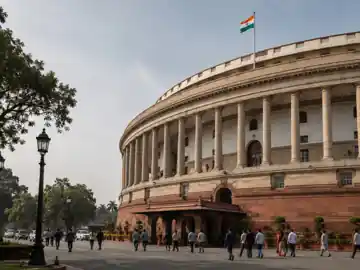
Bengaluru hosts first Freedom Habba with Yakshagana, Dhol Tasha and Garba
Bengaluru staged its first citizen-led Freedom Habba on the steps of Vidhana Soudha as part of the 80th Independence Day celebrations. The event showcased diverse folk arts and included a parade of about 30 teams, along with an immersive museum and multiple district pavilions.
Key takeaways
- The festival was described as Bengaluru’s first citizen-led Independence Day celebration organized by the Karnataka government.
- About 30 teams performed folk arts from various regions, with each group presenting on stage after the parade.
- Entry and movement were managed with QR code screening and police guidance, and metro services were temporarily suspended during the event.

What Happened
On a Saturday aligned with the 80th Independence Day celebrations, Bengaluru hosted a first-of-its-kind Freedom Habba in front of Vidhana Soudha. The Karnataka government organized the event as a citizen-led festival featuring people from different communities, states and districts dressed in traditional attire to display regional arts, music and dance.
Performances included Karnataka’s Yakshagana and Veeragaase, Hulivesha, Maharashtra’s dhol tasha, Gujarati Garba, West Bengal’s Dhanuchi Naach, and Sikh martial arts such as Chakkar bazi and Gatka. Around 30 teams paraded for about half a kilometer, then performed on a stage near the entrance of Vidhana Soudha, with each group explaining the significance of its art and traditions. A student participant described a team called Kalamilana that showcased Yakshagana, while another group from Malavalli in Mandya district performed Puje Kunitha, detailing its village festival context and decorative, balancing elements used during the dance.
Beyond the parade, an immersive living museum titled India’s Freedom Trail offered information on the Salt Satyagraha and Quit India Movement, and district pavilions highlighted Karnataka’s contributions to the freedom struggle through figures such as Sangolli Rayanna and Rani Chennamma. The festival also featured a Constitution square, children’s games and activity zones.
Several practical aspects accompanied the event. Police directed attendees to exit via alternative routes from Cubbon Park as crowds left, and screening with QR codes controlled entry for those attending the habba, with access concentrated near the GPO, BSNL gate and MS building. Metro services were temporarily halted at Cubbon Park, Sir M Visvesvaraya and Vidhana Soudha stations, with some commuters allowed to exit at MG Road and Nadaprabhu Kempegowda stations until 9.30 pm; services resumed after the programme concluded.
A visitor observed that Vidhana Soudha was viewed up close during the Habba, and noted the guided tours that explained the building’s significance before stepping into the event.
Sources reviewed
Project Chintan independently synthesized and analyzed information cross-checked across the sources listed above.
Related stories

Independence Day medals awarded to police and correctional officers in Amaravati

80th Independence Day marked with ceremonies across South Coastal Andhra

Fadnavis backs Modi’s ‘intellectual Naxals’ remark