
SC rebukes BCI over NALSAR convocation row and backs student protests
The Bar Council of India halted NALSAR’s 2026 graduating batch enrollment, then reversed course amid criticism. The Chief Justice of India and BCI chief faced student opposition, with the Supreme Court later criticizing the BCI’s interference.
Key takeaways
- BCI temporarily halted NALSAR’s 2026 enrollment due to objections to the CJI's presence as chief guest.
- The halt was reversed within hours after criticism from the legal community.
- Students at NLSIU and NALSAR publicly objected to the BCI chair and CJI attending convocations.
- The Supreme Court condemned BCI interference, affirming students’ protest rights.

What Happened
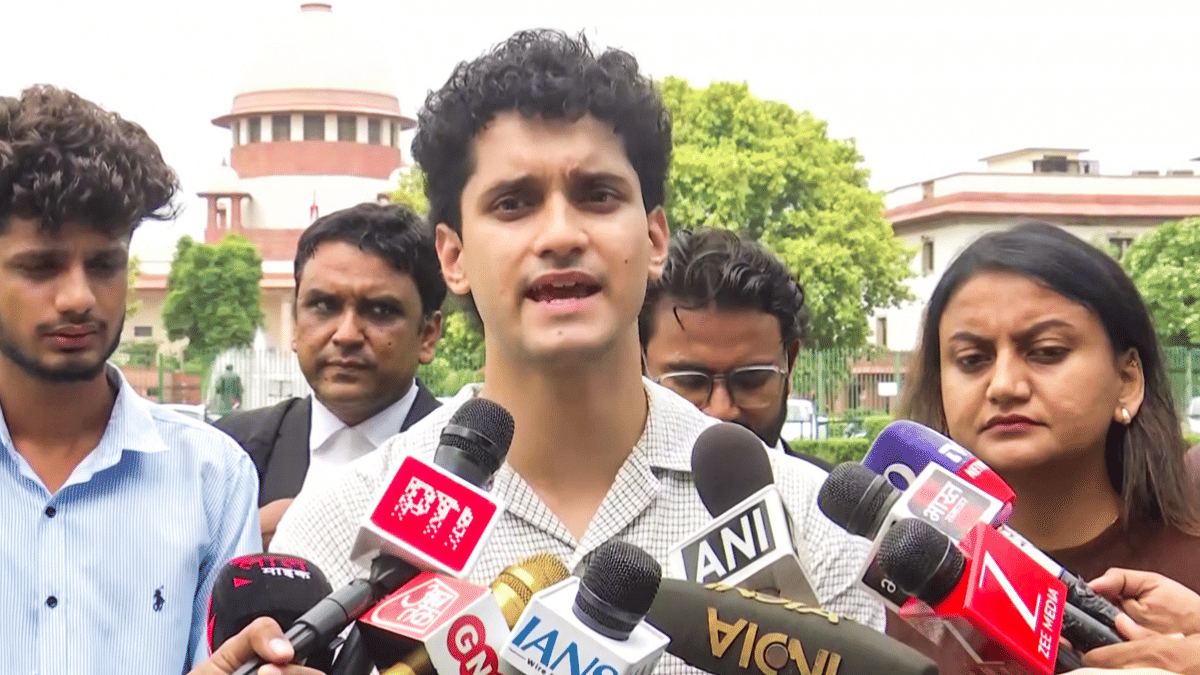
The Bar Council of India (BCI) paused enrollment for NALSAR University of Law’s 2026 graduating batch after objections to Chief Justice of India Surya Kant attending their convocation. The BCI reversed this decision within hours following criticism from the legal community. Students at NLSIU and NALSAR issued joint statements objecting to both the BCI chair’s involvement and the CJI’s presence at convocations. BCI chair Manan Kumar Mishra subsequently issued an apology, stating that peaceful protest is part of democracy and emphasizing that attendance decisions should rest with the students after full consideration. The Supreme Court publicly criticized the BCI, asserting that the council overstepped and that students have a right to protest without professional repercussions.
Why It Matters
The episode highlights a conflict between a statutory regulatory body for lawyers and the judiciary, with the Supreme Court signaling that student voices in legal education protests should be respected. The exchange raises questions about the authority of the BCI to influence convocations and about how high-level judicial figures participate in university events.
Background
The controversy began with the BCI’s August 13 decision to halt enrollment at NALSAR, perceived as punitive toward objections to CJI Surya Kant’s role as chief guest. The move was criticized by members of the legal community, and NALSAR student groups and NLSIU students publicly objected to the attendance of both the BCI chair and the CJI at their convocations. The dispute unfolded against a broader backdrop of debates over procedural authority and academic autonomy in NLUs.
Key Facts
- The BCI halted enrollment for NALSAR’s 2026 graduating batch on August 13 due to objections to CJI Surya Kant’s participation as chief guest.
- The BCI reversed the halt within hours after criticism from the legal fraternity.
- NLSIU and NALSAR student groups and alumni signed statements opposing the presence of the BCI chair and the CJI at their convocations.
- BCI chair Manan Kumar Mishra issued an apology, emphasizing the importance of independent student decision-making and peaceful protest.
- The Supreme Court criticized the BCI, describing the council’s interference as overstepping and underscoring students’ right to protest.
What Happens Next
There is no explicit scheduling update for future convocations included in the material. The Supreme Court’s rebuke suggests possible ongoing tension between regulatory oversight and academic autonomy, with future interactions likely to involve clarifications of protocol and expectations for conduct by regulatory bodies and high-ranking judiciary figures.
Sources reviewed
Project Chintan independently synthesized and analyzed information cross-checked across the sources listed above.
Related stories
CJP slams disallowing of NEET questions in Lok Sabha

Bankim Chandra's descendant seeks Sonia Gandhi apology over Vande Mataram row
Devadula Phase-VI to be completed by Dec 2028, says Uttam Kumar Reddy
