
Andhra Pradesh inks UK partnership for Amaravati infrastructure
Andhra Pradesh signed a long-term collaboration with the UK Department for Business and Trade to develop Amaravati and other municipalities. The deal aims at infrastructure upgrade and potential funding via UK Export Finance, with a focus on sustainable urban development and technology transfer.
Key takeaways
- An agreement was signed between Andhra Pradesh and the UK Department for Business and Trade on August 25, 2026.
- The deal envisions UK support for long-term infrastructure development in Amaravati and the state’s 123 municipalities, including potential UKEF funding.
- Priority areas include roads, drainage, drinking water, waste management, and transport systems with technology transfer components like ITS, BIM, and digital twins.
- Singapore’s involvement in Amaravati continues in some capacity, but the current agreement centers on UK expertise and collaboration.
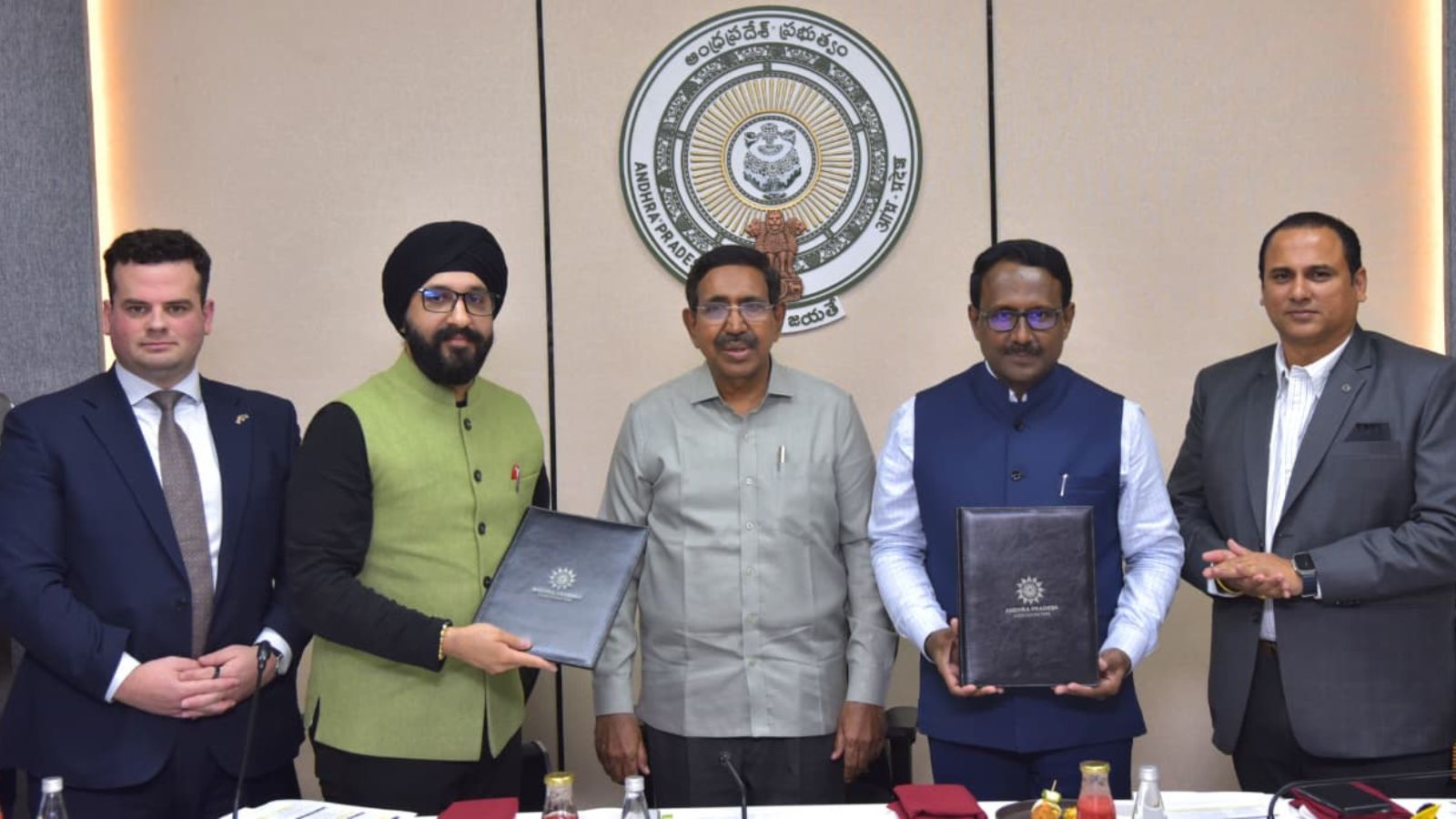
What Happened
The Andhra Pradesh government and the United Kingdom’s Department for Business and Trade formalised a long-term collaboration through an agreement signed on Tuesday, August 25, 2026. The arrangement seeks UK involvement in long-range development of urban and rural infrastructure in Amaravati and across the state’s 123 municipalities and municipal corporations. The agreement also opens the possibility of financial assistance through UK Export Finance (UKEF).
Officials described the collaboration as aiming to improve essential infrastructure, including roads, drainage systems, drinking water supply, and management of solid and liquid waste. The effort is presented as a strategic move to leverage UK expertise for making Amaravati a world-class, smart, and livable city, with broader benefits for regional urban development and public transport.
The partner state emphasises technology transfer and innovation, with stated focus areas such as Intelligent Transport Systems, Building Information Modeling, digital twins, modern construction technologies, and research and development. Project planning, prioritisation, financial feasibility, investment-friendly business cases, design, programme management, and implementation are to be carried out in line with international standards.
The agreement follows past arrangements with international partners, including Singapore, which opted out of the capital city plan in 2019. A 2025 MoU with Singapore is noted, though the current emphasis is on UK involvement. The government has highlighted ongoing infrastructure projects worth about Rs 40,000 crore across the 123 municipalities and the goal of enhancing urban connectivity, reducing traffic congestion, lowering pollution, and improving public transport facilities.
Officials also indicate that the collaboration will support sustainable urban development, integrated urban mobility, knowledge exchange, and the deployment of best practices and modern technologies through UK organisations to the state.
Sources reviewed
Project Chintan independently synthesized and analyzed information cross-checked across the sources listed above.