
Air India Flight: 9 Warnings Logged in 1 Minute Before Turbulence Incident
An Air India flight from Phuket to Delhi experienced significant turbulence, causing injuries to 24 people. A post-flight log revealed nine system warnings within a single minute, including issues with hydraulic pressure and autopilot.
Key takeaways
- An Air India flight, AI2379, experienced a sudden altitude drop and turbulence on August 4, injuring 24 people.
- A post-flight log revealed nine system warnings within one minute, related to hydraulic pressure, flight controls, and autopilot.
- The aircraft dropped approximately 360 feet, prompting an investigation by the Aircraft Accident Investigation Bureau.
- The pilot reported sleeping for 30-35 minutes during the flight prior to the incident.

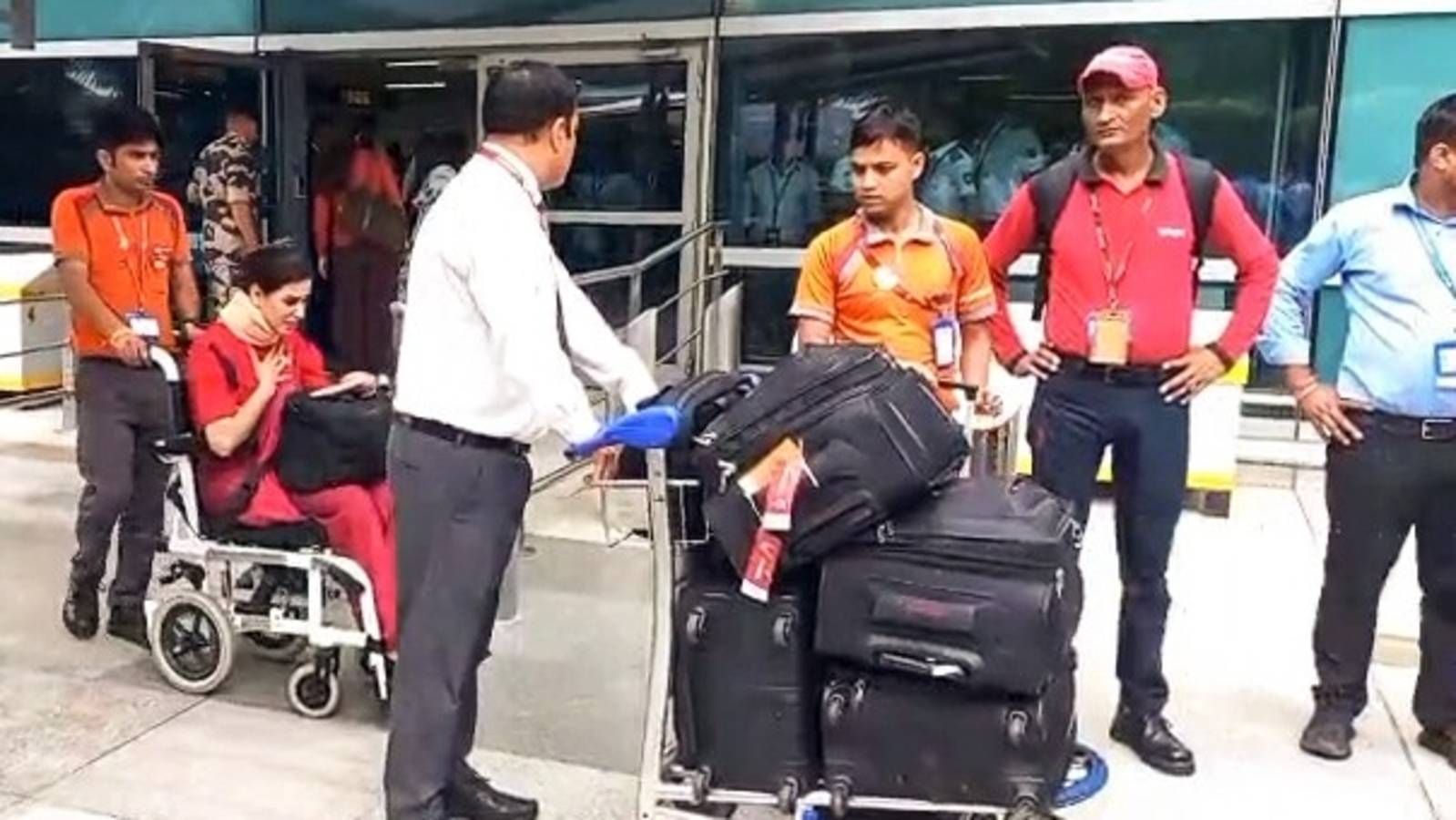
An Air India flight experienced a serious incident on August 4, resulting in 24 people sustaining injuries due to a sudden altitude loss. Flight AI2379, an Airbus A320 registered as VT-EXO, dropped approximately 360 feet. This event prompted an investigation by the Aircraft Accident Investigation Bureau (AAIB).
A review of the aircraft's Centralised Fault Display System log indicated that nine warning messages appeared within a one-minute period at 9:32 am IST, shortly after the aircraft passed the Odisha coast. These warnings flagged low pressure in the Green, Blue, and Yellow hydraulic systems, low reservoir levels in the Yellow and Blue systems, an autopilot disconnect, and an elevator flight-control fault. Two additional warnings related to emergency-exit door sensors were recorded later.
The log also noted an engine anti-ice fault and a second autopilot disconnect later in the flight, though this second disconnect was not accompanied by hydraulic warnings. The pressure readings fluctuated across different systems within the same minute, suggesting a temporary event like a sharp altitude change rather than a sustained mechanical failure. Flight tracking data confirmed an altitude anomaly occurring around the same time as the primary cluster of warnings.
In preliminary accounts to investigators, the pilot reported sleeping for 30 to 35 minutes during the flight. He stated he was near the cockpit floor when the altitude event occurred and was assisted by a cabin crew member. The first officer was reportedly in control of the aircraft, with the commander acting as pilot monitoring.
Sources reviewed
Project Chintan independently synthesized and analyzed information cross-checked across the sources listed above.
Related stories
Air India mandates pilot drug screening after substance abuse incident

Air India Mandates Pilot Screening for Prohibited Substances
Air India Pilot Reported Sleep and Marijuana Use Before Turbulence Incident
