
The Reliability Crisis in AI Content Detection Systems
Digital consulting data suggests AI-generated articles now rival human output in volume, fueling demand for transparency. However, inconsistent accuracy among commercial detection tools raises legal and ethical risks for writers and students.
Key takeaways
- AI-generated content volume on the internet has reached parity with human-written articles as of mid-2026.
- Commercial AI detectors yield wildly inconsistent results, even when analyzing award-winning human journalism.
- False positives from detection tools have led to book cancellations and damaged reputations for several authors.
- Industry leaders warn that stylized human writing is frequently misidentified as AI-generated by automated systems.
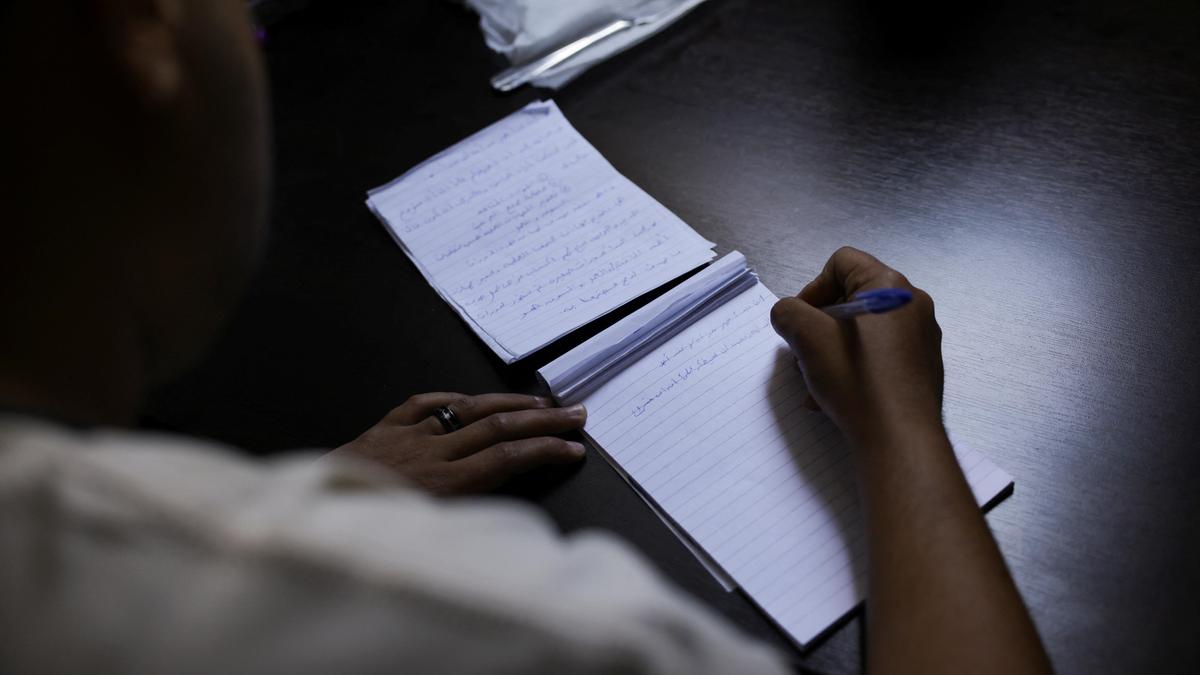
Since the 2022 launch of ChatGPT, the internet has seen a surge in synthetic content production. A May 2026 study by Graphite, a digital consulting firm, indicates that the volume of predominantly AI-generated articles has reached parity with human-authored content. This shift has intensified the search for reliable methods to verify the origins of professional, academic, and creative writing.
The Mechanics of Detection
Marketed to educators, business professionals, and content creators, tools like Pangram, ZeroGPT, and Turnitin analyze text for indicators of machine involvement. While basic analysis is often free, advanced features—such as deep editing or plagiarism checks—typically require paid subscriptions. Paradoxically, some platforms also sell "humanizers" designed to modify AI text so it bypasses the very detection algorithms they claim to uphold.
Accuracy and Technical Limitations
Commercial detection platforms frequently struggle with reliability. Turnitin has acknowledged that its system, while powerful, is not infallible. The company admits that unique literary styles or unconventional scholarly voices can trigger errors. During an evaluation by The Hindu, a 2010 Pulitzer Prize-winning journalism piece was processed through several detectors with contradictory outcomes: Pangram and Quillbot identified the text as human, whereas ZeroGPT flagged it as nearly 50% AI-generated.
Key Facts
- Graphite reports that AI-produced articles now equal human output on the internet as of May 2026.
- Pangram claims a 99.98% accuracy rate, though it admits reduced precision for samples under 75 words.
- Detection tools frequently produce false positives, incorrectly labeling original human work as machine-generated.
- Turnitin has admitted that scholarly or highly stylized writing can lead to detection errors.
- In one test, a Pulitzer-winning article was incorrectly identified as 49.9% AI by ZeroGPT.
Professional and Social Consequences
Inaccurate AI flags have already impacted literary careers. In March 2026, publisher Hachette canceled American horror novelist Mia Ballard’s book, Shy Girl, following online allegations of AI usage. Similarly, Trinidadian author Jamir Nazir faced scrutiny after winning a regional spot in the 2026 Commonwealth Short Story Prize. In both instances, critics utilized Pangram results to support their accusations.
Why It Matters
The reliance on these experimental tools creates significant reputational hazards. Razmi Farook, Director-General of the Commonwealth Foundation, has voiced concerns regarding the ethics of subjecting unpublished original manuscripts to AI checkers. As large language models from Google, Anthropic, and OpenAI become more sophisticated, the gap between human and machine prose continues to narrow, making automated detection increasingly prone to high-stakes errors.
Source: The Hindu — Sci-Tech
Related stories

Google Retracts Earth AI Integration Following Widespread Policy Violations

Alibaba to Monetize Next Qwen AI Release Through Revenue Sharing for Major Clients

New Mexico Judge Levels $567 Million Financial Penalty Against Meta Over Child Safety
