
Urban Isolation: The Rising Financial Barrier to Recreation in India's Tier 1 Cities
A viral social media critique highlights the scarcity of low-cost leisure activities in major Indian metros. Residents in hubs like Mumbai and Bengaluru argue that social life is now restricted to consumer-driven environments.
Key takeaways
- A viral Instagram video criticized the lack of affordable leisure in cities like Mumbai, Delhi, Bengaluru, and Pune.
- Current urban social life in Indian metros is largely restricted to eating, drinking, and shopping.
- The absence of free 'third spaces' like parks and public squares is contributing to social isolation for urban residents.
- Public reaction suggests a growing demand for urban planning that prioritizes accessible recreation over commercial spending.
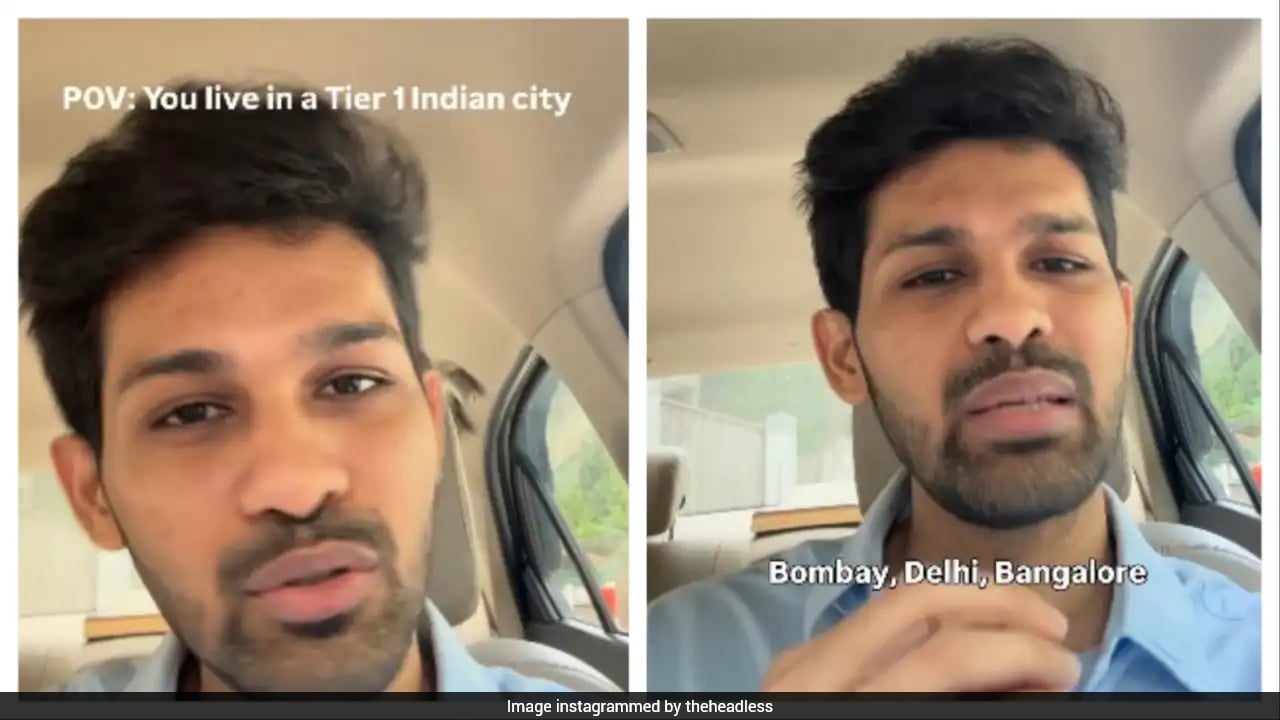
The Shrinking Public Square
India's major urban centers are facing an identity crisis regarding public accessibility. In a recent video circulated on Instagram, a resident voiced a growing frustration shared by many in Tier 1 cities: the near-total absence of recreational options that do not require a financial transaction. The critique points to a systemic shift where leisure is inextricably linked to spending.
Consumerism as the Sole Social Outlet
The analysis focuses on the specific environments of Mumbai, Delhi, Bengaluru, and Pune. In these high-density hubs, the current infrastructure offers a limited range of social activities, primarily centered around:
- Commercial dining and high-end restaurants
- Alcohol-centric nightlife and bars
- Retail therapy within air-conditioned shopping malls
Social media users responding to the video noted that while these cities boast rapid economic growth, they lack the parks, free museums, and pedestrian-friendly zones found in global counterparts. The discourse suggests that for the average citizen, the cost of simply 'existing' outside one's home has become a significant financial burden.
Infrastructure and the Middle-Class Burden
The debate highlights a demographic disconnect. While Tier 1 cities attract top talent with high-paying jobs, the lack of third spaces—areas where people can congregate without spending money—contributes to urban isolation. Commenters argued that the current urban planning model prioritizes commercial real estate over public welfare, effectively pricing out those seeking simple, affordable ways to spend their time.
Source: NDTV OffBeat