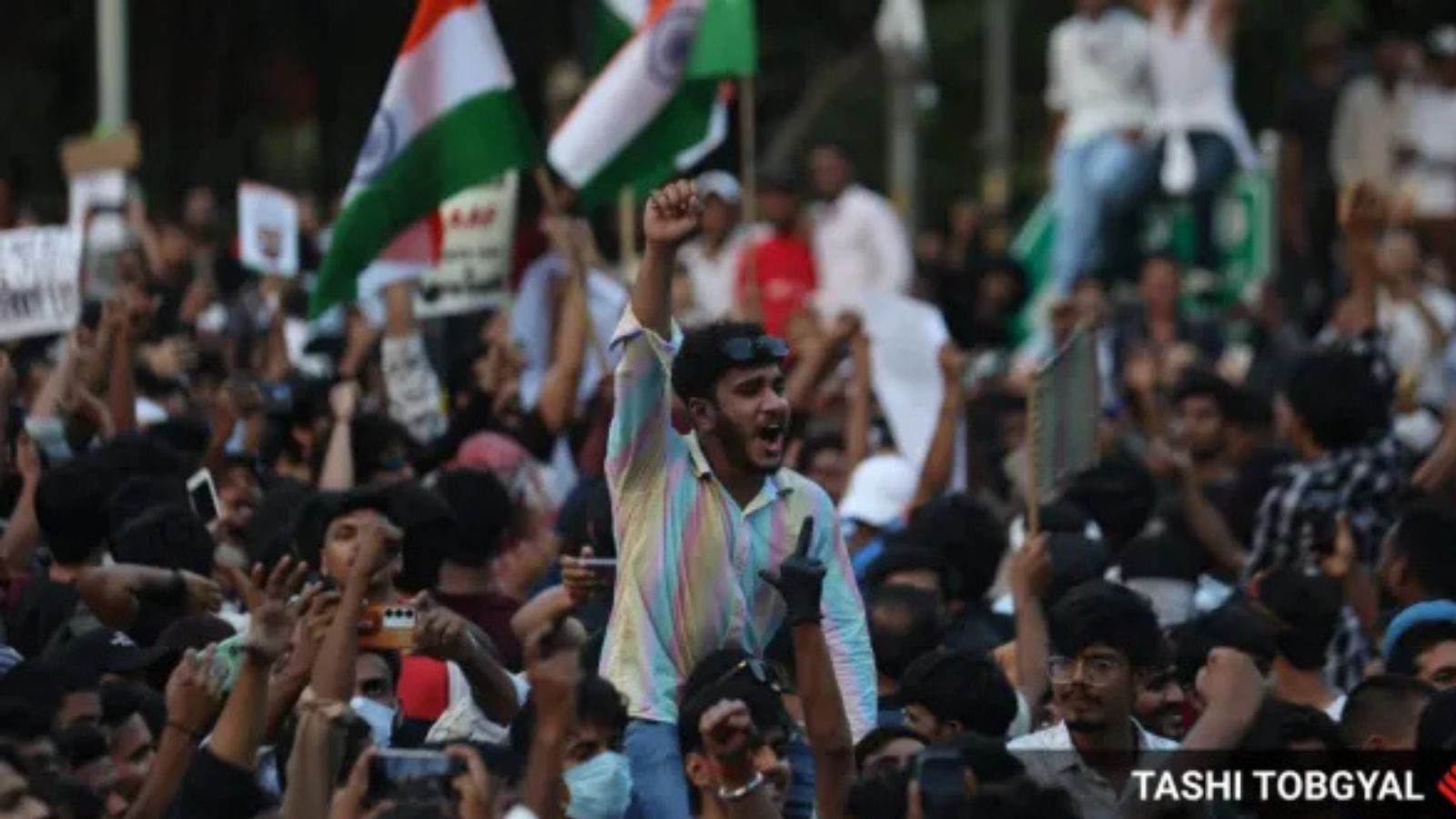
The Swarm at Jantar Mantar: Why Student Dissent Poses a New Challenge to the Modi Era
Recent youth protests against widespread exam paper leaks signal a potential shift in India's political mobilization. Experts examine if this student-led movement distinguishes itself from previous large-scale demonstrations against the current administration.

From Social Media Metaphor to Physical Presence
On May 16, 2026, Abhijeet Dipke, a returnee from Boston, posted a concise query on social media: "What if all the cockroaches come together?" Within eight weeks, this metaphorical reference to India's youth transformed into a tangible presence at Jantar Mantar. Students are now congregating across the nation to demand accountability for chronic failures in the examination system, specifically targeting the frequency of paper leaks.
A Comparative Analysis of Strategic Dissent
While the Narendra Modi administration has navigated various waves of opposition during its twelve-year tenure, the nature of this student movement invites scrutiny. Previous challenges include:
- The sustained farmers' movement against agricultural reforms.
- The nationwide protests against the Citizenship Amendment Act (CAA).
- Diverse mobilizations by Dalit, Adivasi, and labor communities.
Although the government previously managed these instances of friction without significant political destabilization, political scientists are now evaluating if the current youth-led grievances represent a fundamentally different category of threat. Unlike earlier protests rooted in identity or sectoral economics, the exam leak crisis strikes at the functional aspirations of the broader young population.
The Political Stakes of the Student Movement
Associate Professor Saroj Giri from Delhi University suggests that the current mobilization may present a unique political dilemma for the Prime Minister. The decentralized yet unified frustration of students over their professional futures creates a narrative that is harder to contain than traditional opposition politics. Whether this collective action will evolve into a sustained political force or follow the trajectory of earlier movements remains the primary question for analysts monitoring the capital’s protest grounds.
Source: The Hindu — Home