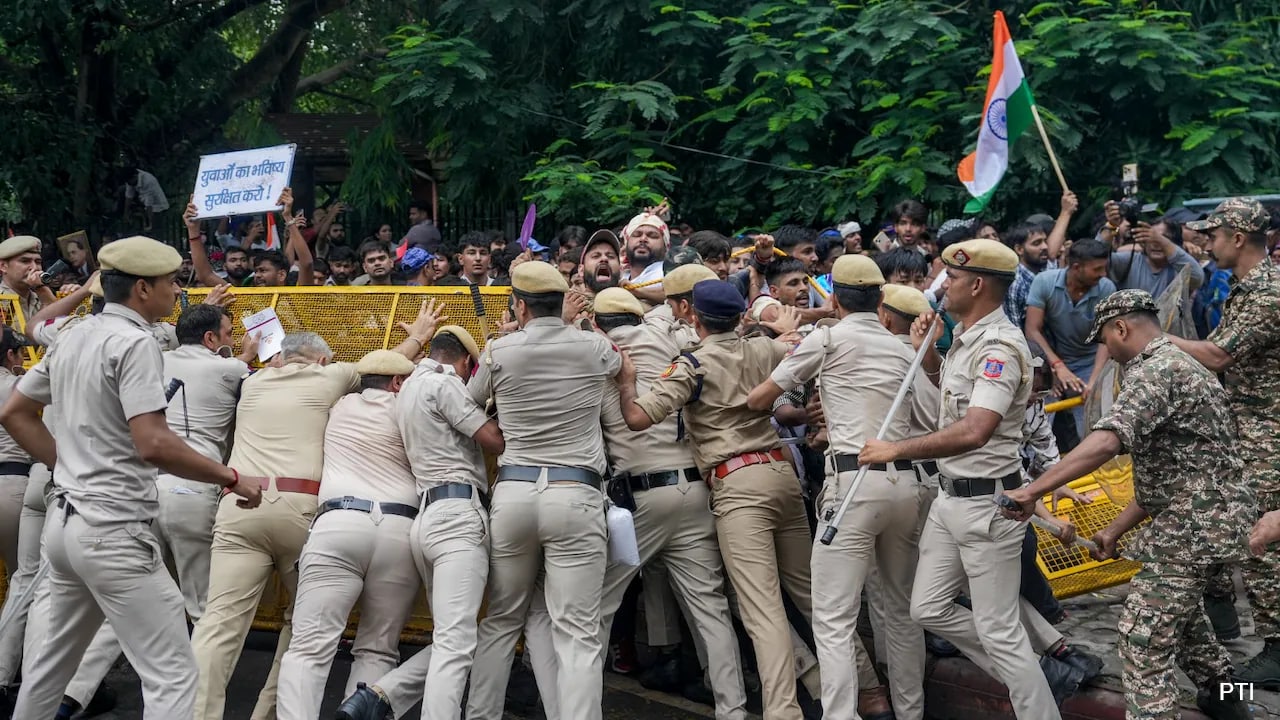
The Age Barrier: Why India Must Lower the Entry Point for Young Candidates
India permits 18-year-olds to vote and 21-year-olds to enter the bureaucracy, yet maintains a 25-year age floor for election candidates. Recent political shifts highlight the urgent need to address this democratic inconsistency.
The Constitutional Disconnect in Youth Representation
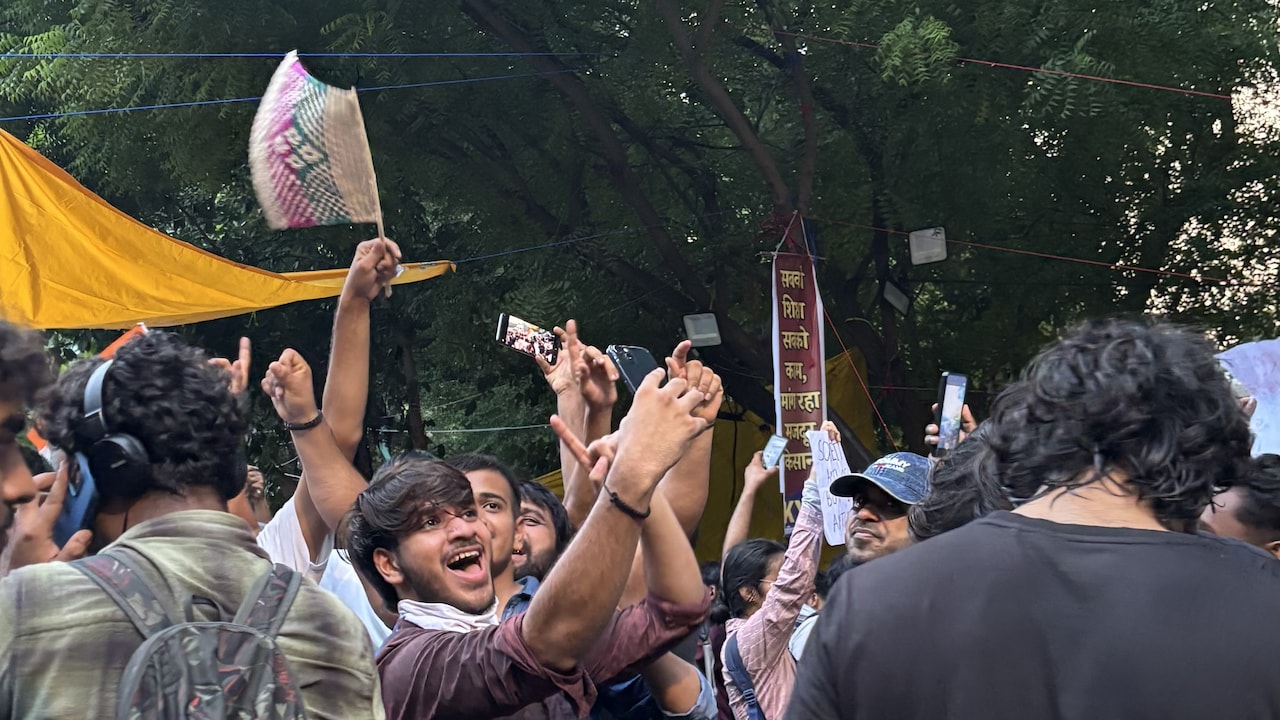
India’s legislative framework presents a curious paradox regarding its youngest citizens. While individuals reach legal adulthood at 18 and qualify for elite civil service roles by 21, the doors to Parliament and State Assemblies remain locked until they celebrate their 25th birthday. This gap forces a generation that is digital-native and politically active to remain observers rather than participants in the halls of power.
Limits of the Current Eligibility Threshold
The current age requirement of 25 years for the Lok Sabha and Vidhan Sabha, and 30 years for the Rajya Sabha, stems from outdated assumptions about maturity and experience. Data suggests this restriction excludes a massive demographic of Gen Z graduates who are already contributing to the economy and technological sector. Key discrepancies in current Indian law include:
- Citizens can influence national leadership through voting at 18.
- Academically qualified individuals can manage districts as IAS officers at 21.
- Aspiring lawmakers are legally barred from seeking office for an additional four to nine years after reaching adulthood.
Modernizing the Democratic Framework
Aligning the age of candidacy with the age of voting—or at least with the age of bureaucratic eligibility—would modernize the democratic process. By maintaining a high age floor, the political system risks alienating a demographic that demands faster governance and direct representation. The debate over Dharmendra Pradhan’s recent political trajectory serves as a catalyst for a broader discussion on whether the current leadership is ready to accommodate a younger, more agile political class.
Source: NDTV — Top Stories