
Supreme Court Rebukes Police Overuse of Force During Public Demonstrations
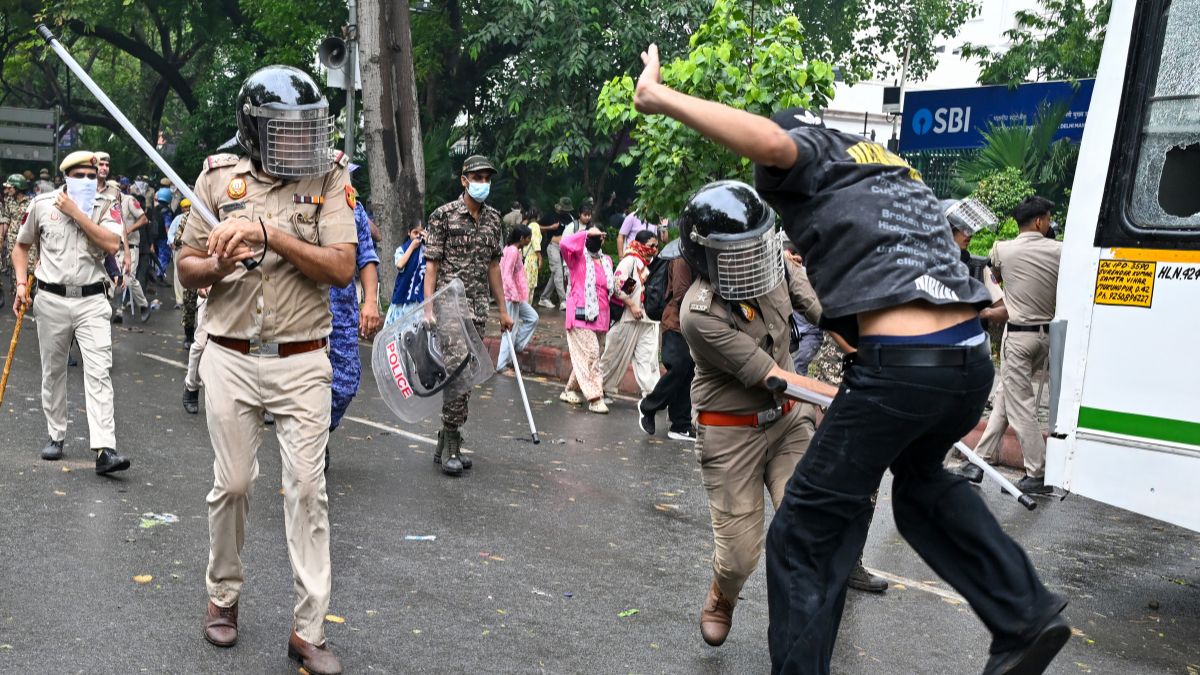
The Supreme Court of India ruled that law enforcement cannot deploy lathicharges solely based on the existence of a protest. The justices emphasized that police must balance maintaining order with upholding the fundamental right to peaceful assembly.
The Constitutional Standard for Police Intervention
In a recent session, a Supreme Court bench comprising Justices Abhay S. Oka and Ujjal Bhuyan addressed the limits of police authority during civil unrest. The court clarified that the mere act of agitation does not grant officers the legal autonomy to engage in physical force, such as a lathicharge. The bench observed that while authorities are tasked with maintaining public order, they must distinguish between legitimate political expression and direct threats to security.
Accountability and Proportionality
The justices highlighted that the right to peaceful protest remains a cornerstone of democratic governance. The court's remarks suggest a push for stricter protocols regarding how and when baton charges are deployed. The ruling emphasized the following points regarding police conduct:
- Force must only be utilized as a final measure rather than a primary response to crowds.
- Officers must demonstrate that a specific threat to life or property existed before resorting to physical measures.
- State authorities are expected to train personnel in de-escalation tactics that respect the physical integrity of citizens.
The court noted that indiscriminate force often escalates tensions rather than diffusing them, potentially violating Article 21 and Article 19 protections. The bench stressed that law enforcement agencies must remain accountable for actions that overstep the bounds of necessity during public gatherings.
Source: NDTV — Top Stories


