Stockpile Shortages Forced Trump to Abort Planned Military Strike on Iran
Internal reports reveal that a major offensive against Tehran was halted due to insufficient munitions reserves. The data highlights a significant gap between aggressive geopolitical posturing and actual combat readiness during the administration.
Logistical Constraints Overruled Geopolitical Ambition
Military readiness concerns significantly altered the trajectory of U.S. foreign policy toward Tehran. While the administration maintained a public stance of maximum pressure, internal assessments regarding the availability of critical munitions forced a retreat from a high-stakes military engagement. The decision to abandon the operation came after senior officials realized the current inventory could not sustain a prolonged conflict.
The Disconnect Between Strategy and Supply
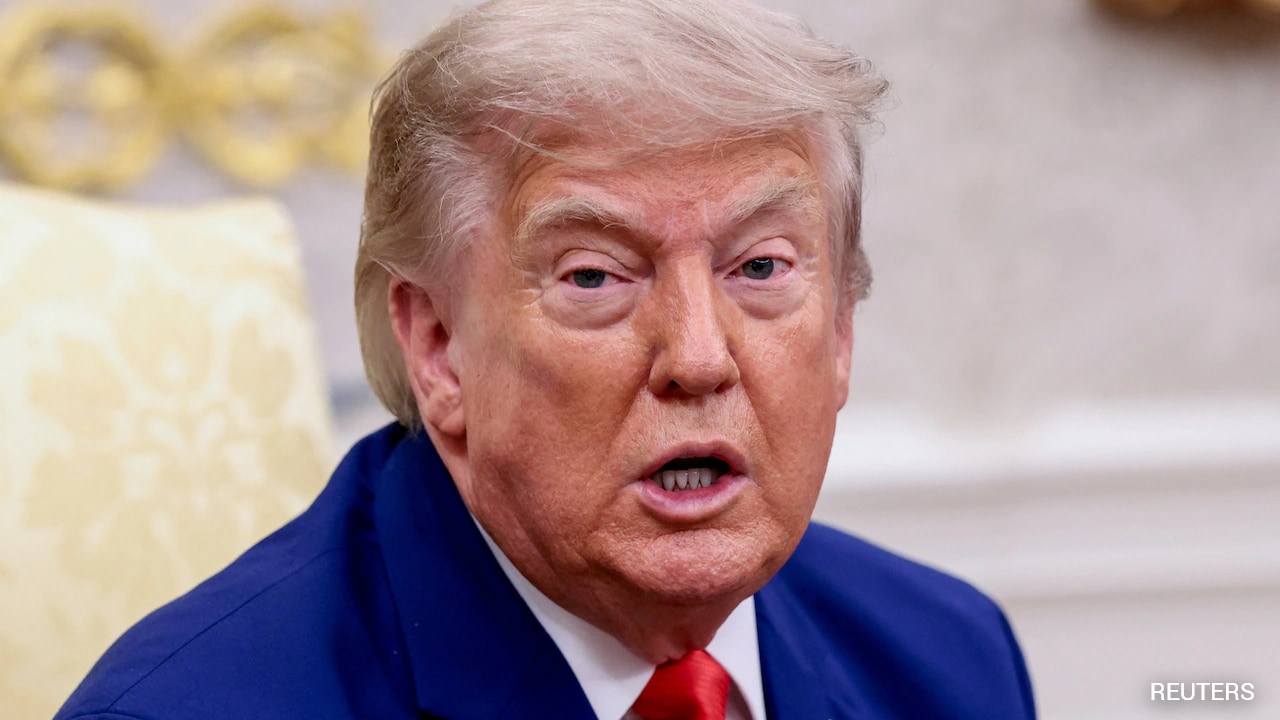
Documents indicate that the proposed action, which Donald Trump initially estimated would conclude within a month, was architecturally sound but logistically impossible. Expert analysis of the Department of Defense supply chain identified several key vulnerabilities:
- Deficiencies in precision-guided munitions necessary for surgical strikes.
- Depleted reserves of tactical assets required for sustained aerial campaigns.
- A projected inability to resupply frontline units if the engagement exceeded the five-week mark.
Ultimately, the realization that the United States lacked the hardware to finish what it started led to the operation's cancellation. The current friction, now entering its fifth month of heightened tension, serves as a reminder that military math often dictates the limits of executive power. The logistical void transformed a potential regional war into a continued standoff, as the reality of a bare armory took precedence over strategic objectives.
Source: NDTV — World