Sterilization Strike: Washington Deploys 600,000 Infected Mosquitoes to Curb Population
State officials are releasing massive quantities of mosquitoes carrying a specific bacterium to disrupt local breeding cycles. This biological intervention targets wild populations by ensuring offspring cannot hatch.
The Science of Wolbachia Intervention
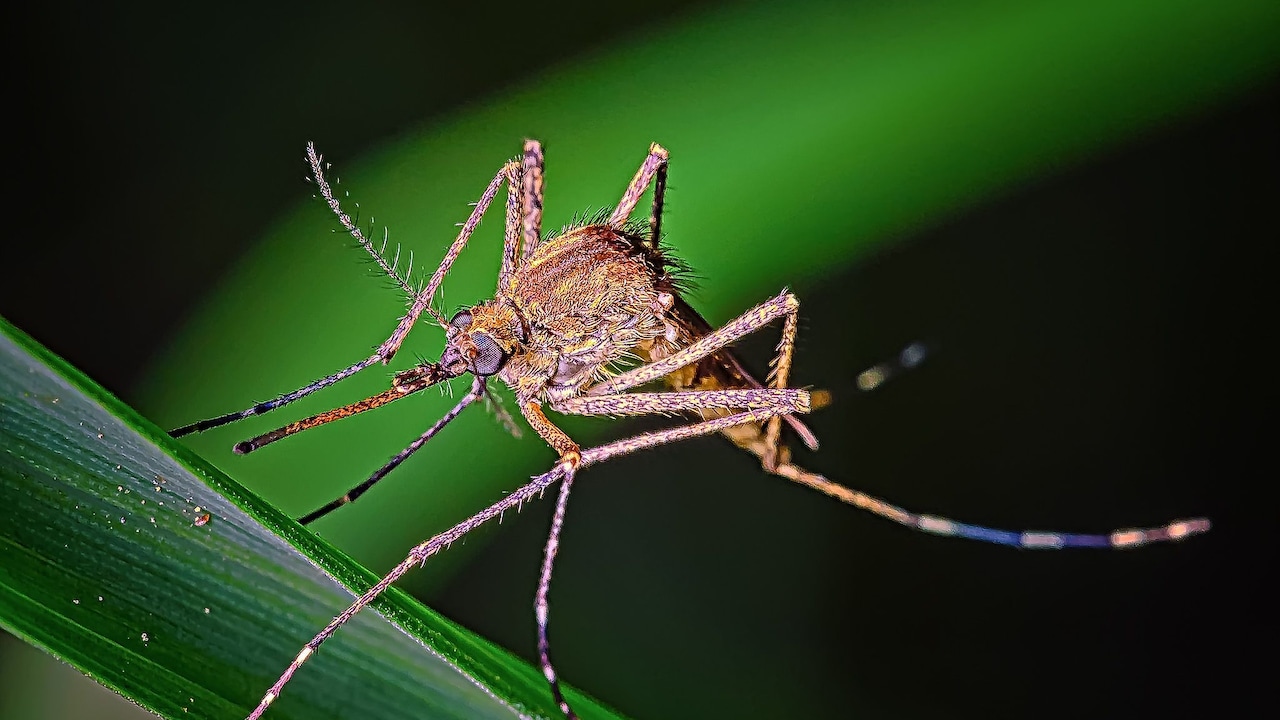
Washington state is initiating a biological control measure involving the release of 600,000 mosquitoes. These insects are not a threat to the public; they are intentionally infected with Wolbachia, a bacterium that occurs naturally in many insect species. The strategy relies on a specific reproductive interference that prevents the growth of future generations.
How Population Suppression Works
The program focuses exclusively on male mosquitoes, which do not bite humans. When these Wolbachia-carrying males mate with wild female mosquitoes in the environment, the resulting eggs fail to hatch. This method offers several distinct advantages for local ecosystems:
- It reduces the overall population without the use of broad-spectrum chemical pesticides.
- The intervention targets specific species, minimizing the impact on non-target insects.
- The sterile insect technique provides a self-limiting way to manage pests over a defined geographic area.
By flood-loading the environment with these modified males, officials aim to crash the local larval numbers, providing a long-term solution to mosquito-borne nuisances and health risks.
Source: NDTV — World