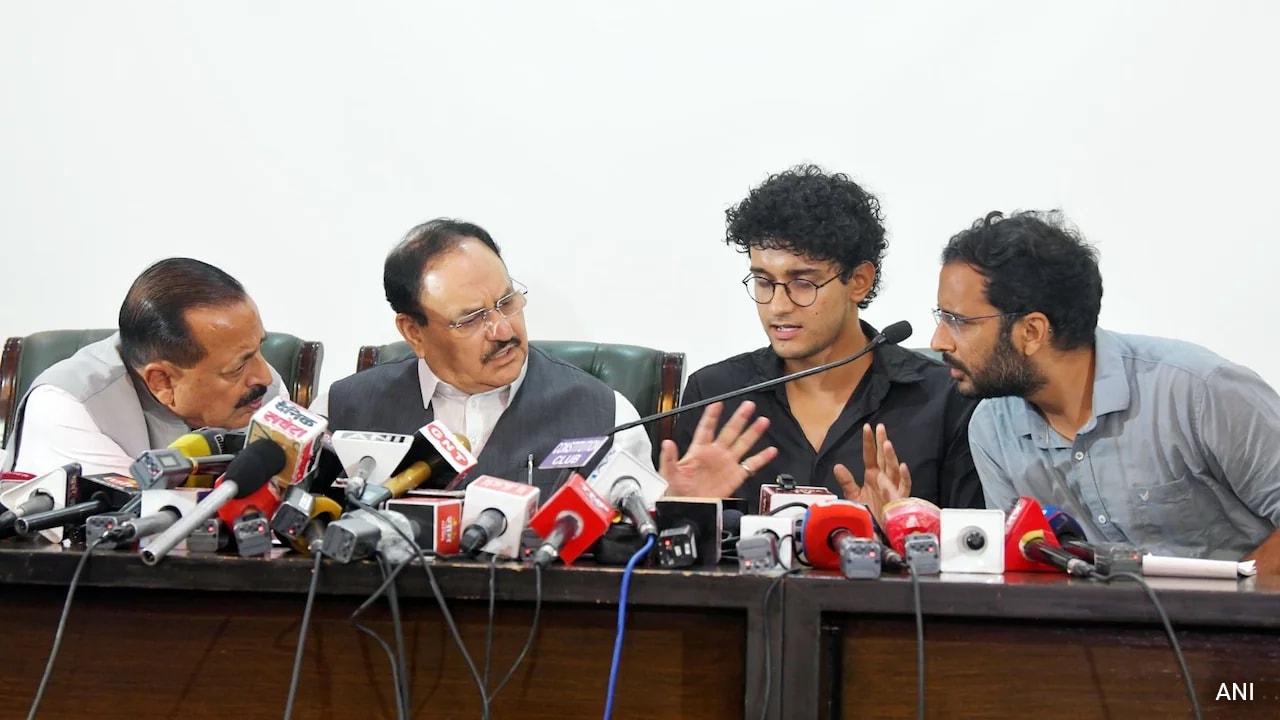
State Agrees to Deliberate on Chief Justice’s Institutional Reform Framework
The executive branch has committed to evaluating a five-point proposal aimed at restructuring judicial operations and inter-agency coordination. This shift follows high-level discussions regarding systemic efficiency and the independence of the bench.
Executive Cooperation on Judicial Policy
In a significant shift toward inter-branch alignment, the government has formally consented to review the 5-Point Charter submitted by the Chief Justice of Pakistan (CJP). The move signals a potential restructuring of how the state interacts with the judiciary on administrative and legislative levels. Official channels confirmed that the administration will prioritize the analysis of these specific directives to address long-standing procedural bottlenecks.
Key Pillars of the 5-Point Proposal
The roadmap provided by the Chief Justice focuses on clarifying the boundaries of authority and enhancing the speed of legal delivery. The following core objectives define the charter:
- Procedural Transparency: Establishing clearer guidelines for case management and the assignment of benches.
- Inter-departmental Synergy: Improving the flow of information between the executive legal teams and the courts.
- Administrative Autonomy: Strengthening the judiciary’s control over its internal fiscal and personnel decisions.
- Legislative Review: Assessing current laws that hinder rapid case resolution.
- Accountability Mechanisms: Refining the process for internal oversight within the legal system.
Implementation and Strategic Outlook
While the agreement to consider the charter is a preliminary step, it indicates a departure from previous friction between the two branches of government. Senior analysts suggest that the success of this initiative depends on the legislative support provided to the CJP’s vision. Government representatives are expected to form a working group to determine the feasibility of each point within the existing constitutional framework. By addressing these structural concerns, the state aims to reduce the massive backlog of cases currently stifling the national legal infrastructure.
Source: The Hindu — News