
Riyadh’s Nuclear Ambitions: The Long-Term Risks of Trump’s Atomic Accord
The Trump administration has finalized a civil nuclear cooperation deal with Saudi Arabia, marking a major policy shift. While the White House views the '123 Agreement' as a strategic victory, experts warn it could destabilize regional security for decades.
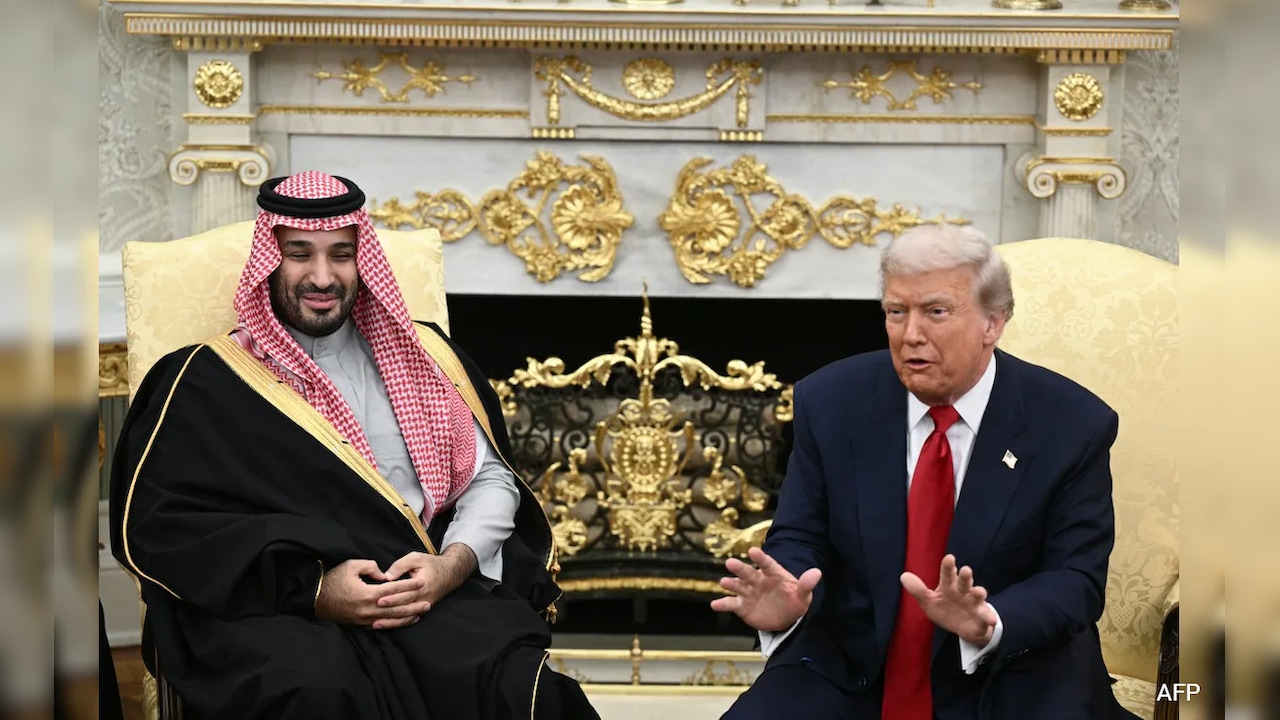
The Mechanics of the 123 Agreement
The Trump administration has officially entered into a '123' nuclear cooperation pact with Saudi Arabia, a move that grants the Kingdom access to American nuclear technology and expertise. While presented as a commercial and diplomatic achievement for Riyadh, the deal bypasses several traditional safeguards often required in such treaties. This agreement provides the Saudi government with the framework necessary to develop a domestic nuclear energy infrastructure, a goal the Kingdom has pursued to diversify its power grid away from oil reliance.
Regional Proliferation and Security Concerns
The primary concern among defense analysts involves the lack of a 'gold standard' provision, which would explicitly prohibit Saudi Arabia from enriching uranium or reprocessing spent fuel on its own soil. Without these restrictions, the infrastructure used for peaceful energy can be adapted for weapons-grade material. Key implications for the Middle East include:
- Arms Race Potential: Neighbors, specifically Iran, may interpret this technical expansion as a move toward nuclear parity, potentially triggering a regional procurement surge.
- Unchecked Enrichment: The absence of strict non-proliferation guardrails leaves the door open for future shifts in Saudi military policy.
- Shift in Power Dynamics: By securing this deal, Riyadh gains significant leverage in its geopolitical rivalry for regional dominance.
A Legacy of Unpredictability
While the White House frames the deal as a boon for the U.S. nuclear industry and a strengthening of bilateral ties, the long-term consequences remain opaque. Critics argue that instead of stabilizing the Middle East, the introduction of sensitive technology into a volatile geopolitical theater could create a cycle of uncontrolled chaos. The agreement effectively hands a profound technological advantage to the Kingdom, the ramifications of which will be felt by successive administrations long after the current executive term concludes.
Source: NDTV — World
