
Revisiting Shimla 1972: The Framework Governing India-Pakistan Diplomatic Relations
The 1972 Shimla Agreement established a strict bilateral framework for resolving disputes between India and Pakistan. This diplomatic cornerstone mandates direct negotiation, effectively sidelining third-party intervention in regional conflicts.
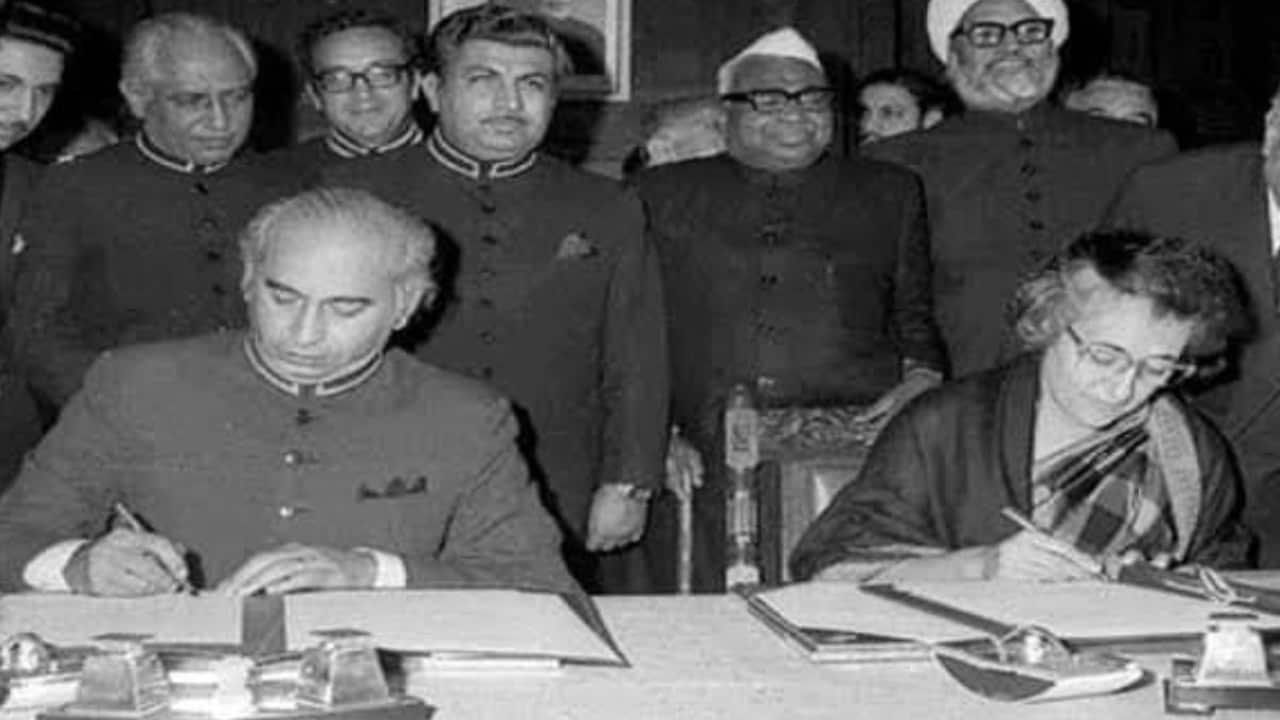
The Bilateral Mandate of 1972
In the aftermath of the 1971 war, the Shimla Agreement emerged as the definitive blueprint for self-contained diplomacy between New Delhi and Islamabad. Signatories Indira Gandhi and Zulfikar Ali Bhutto formalised a commitment to settle all outstanding issues, most notably the status of Kashmir, through direct dialogue. This pact sought to insulate the subcontinent from external geopolitical pressures by establishing a closed circuit for conflict resolution.
Extinguishing Third-Party Arbitration
A primary objective of the treaty was the removal of international intermediaries from regional disagreements. By agreeing to bilateralism, both nations pledged to maintain the sanctity of the Line of Control while rejecting foreign interference. Key provisions of the agreement include:
- Direct Negotiation: All disputes must be resolved through peaceful means via mutual agreement.
- Territorial Integrity: Both sides must respect established borders without seeking unilateral changes.
- Permanent Peace: The document serves as a roadmap for normalized relations and total de-escalation.
Decades later, the Shimla Agreement continues to dictate the terms of engagement, serving as the legal defense for excluding external mediators from the Kashmir question.
Source: NDTV — Top Stories

