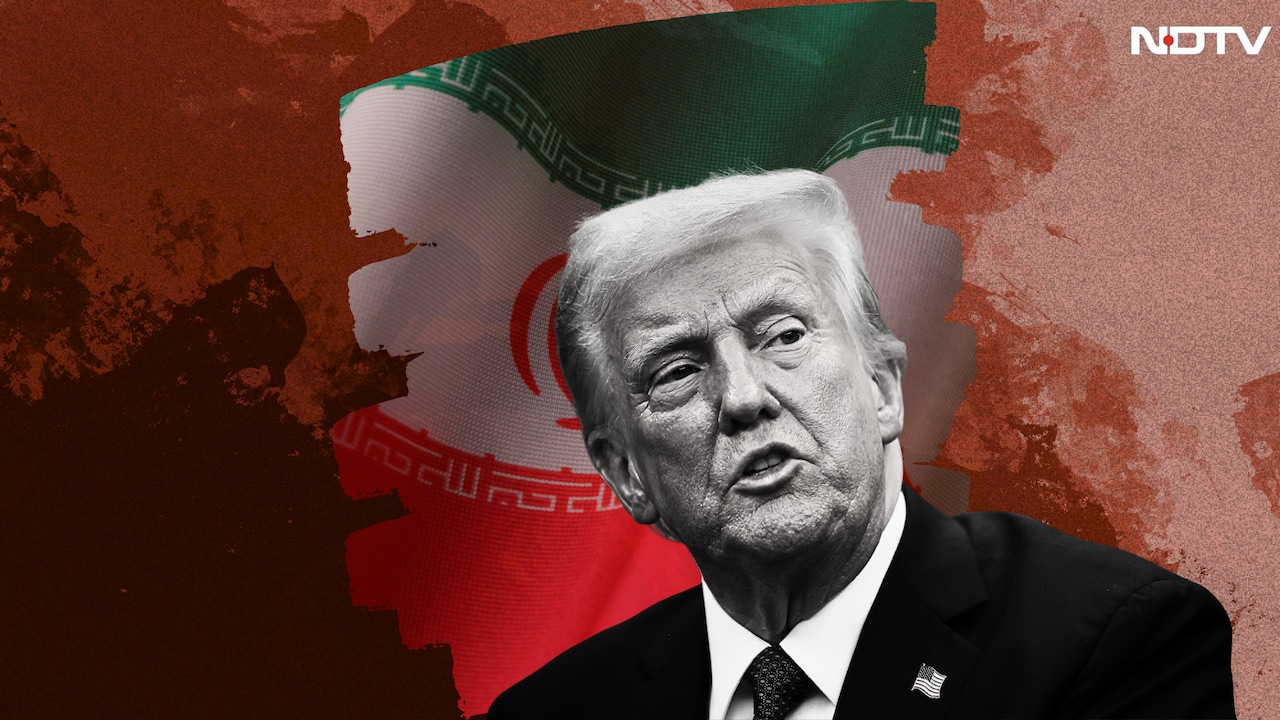
Regional De-escalation as Tehran and Washington Navigate Tactical Pause
Iranian forces have ceased operations against American allies in the Middle East following a reduction in U.S. military strikes. Reports suggest that diminishing ammunition stockpiles may be influencing the current strategic restraint from Washington.
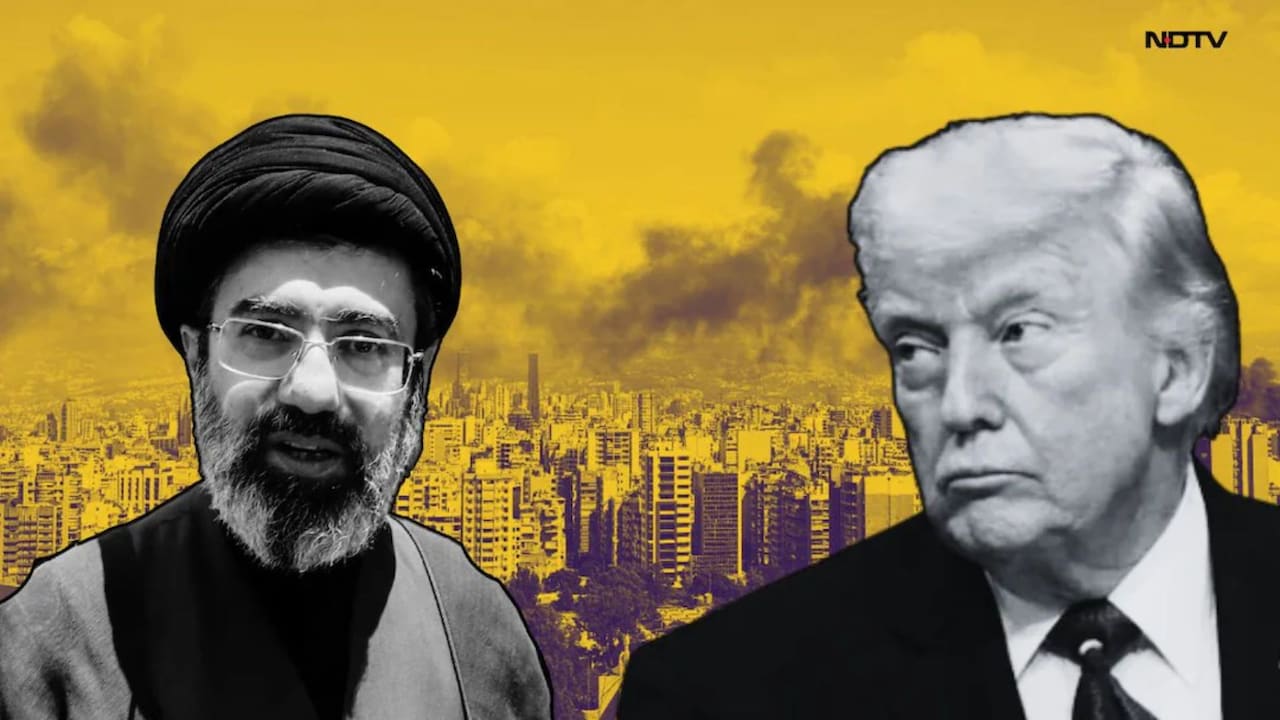
A Shift in Regional Hostilities
Iran has officially suspended its military pressure against United States allies throughout the Middle East. This strategic pivot follows nearly five months of sustained conflict that has tested regional stability. The cessation of hostilities provides a temporary reprieve in a theater that has seen constant friction between Western interests and local proxies.
The Impact of Resource Constraints
Military specialists indicate that supply chain pressures may be dictating the current pace of operations. Several factors contributed to the existing stalemate:
- Stockpile Depletion: Concerns regarding diminishing munitions have reportedly forced Washington to reconsider long-term escalation.
- Strategic Recalibration: The five-month duration of active combat has strained operational readiness on both sides.
- Diplomatic Signaling: Tehran's declaration follows a noticeable reduction in American offensive maneuvers.
The current environment reflects an equilibrium born of necessity rather than a formal peace agreement. While the halt in attacks offers immediate relief for regional partners, the underlying tensions remain unresolved as both powers evaluate their logistical capabilities and long-term objectives.
Source: NDTV — World