Reforming India's Urban Water Infrastructure Within a Single Five-Year Mandate
India's economic aspirations face a bottleneck in crumbling municipal water systems that lose 30% of their supply. A focused four-to-five-year political cycle can stabilize these utilities by prioritizing wastewater reuse, leak reduction, and equitable tariff structures.
Restructuring Supply and Resource Management
India’s economic expansion relies heavily on its urban centers, yet the infrastructure supporting these cities is increasingly fragile. Currently, municipal utilities lose over 30% of their water to leaks or unbilled usage before it reaches a consumer. At the same time, only 27% of sewage undergoes treatment, representing a massive missed opportunity for resource recovery. To fix this within a single political term, administrators must pivot from a reliance on distant rivers and depleted groundwater toward local circularity.
Treating rainwater and wastewater as primary assets rather than secondary options is essential. Strategic policies over the next several years should focus on:
- Enforcing rainwater harvesting mandates for large-scale developments and urban layouts.
- Implementing infrastructure to route treated wastewater toward industrial cooling, construction, and landscaping.
- Establishing concrete targets to satisfy at least 25% of non-potable demand through recycled sources.
Operational Efficiency and Utility Accountability
Many Indian water departments struggle with low revenue collection, often recovering less than 55% of their operational costs. This financial deficit prevents necessary network maintenance and service expansion. Over a four-year horizon, utilities can improve performance by adopting district metered areas to pinpoint leaks and installing bulk meters at critical junctions. Modernizing the consumer interface through universal metering for high-volume users and transparent grievance systems allows for a data-driven approach to management.
Furthermore, state governments must clarify mandates. By establishing formal coordination mechanisms and shared standards across agencies, cities can move away from intermittent supply and low-pressure delivery, which currently hamper service reliability.
Equity in Access and Financial Sustainability
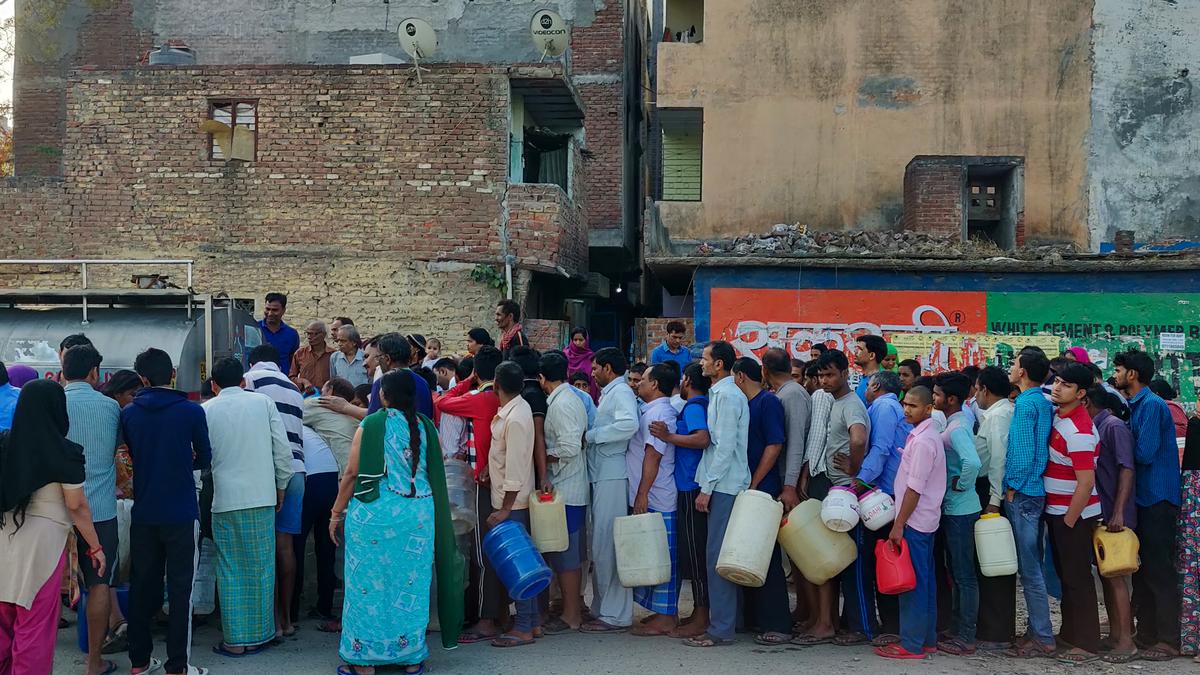
The current landscape frequently penalizes the poor, who may pay more per liter through informal providers than wealthier residents with subsidized piped connections. A one-term reform agenda should move toward guaranteed minimum safety levels for all residents, regardless of the legality of their tenure. This requires prioritizing last-mile connectivity in informal settlements over simple network extensions into new real estate projects.
Financially, the focus must shift from construction costs to total lifetime expenditures. Before commissioning new supply projects, officials should evaluate if demand-side management or leak reduction could achieve the same goals. Transitioning toward tariff structures that include lifeline blocks for the vulnerable, while charging higher rates for excessive use, ensures that public support is concentrated where it is most required. By integrating health benefits and flood mitigation into the value proposition of water management, cities can build a sustainable foundation for long-term growth.
Source: The Hindu — Science