RBI Initiates Large-Scale Trial of 2 Billion Polymer Banknotes to Cut Currency Attrition
India's central bank is launching a massive pilot program involving 200 crore plastic banknotes worth approximately Rs 3,000 crore. This strategic move aims to evaluate the durability of polymer currency against the standard paper-based system.
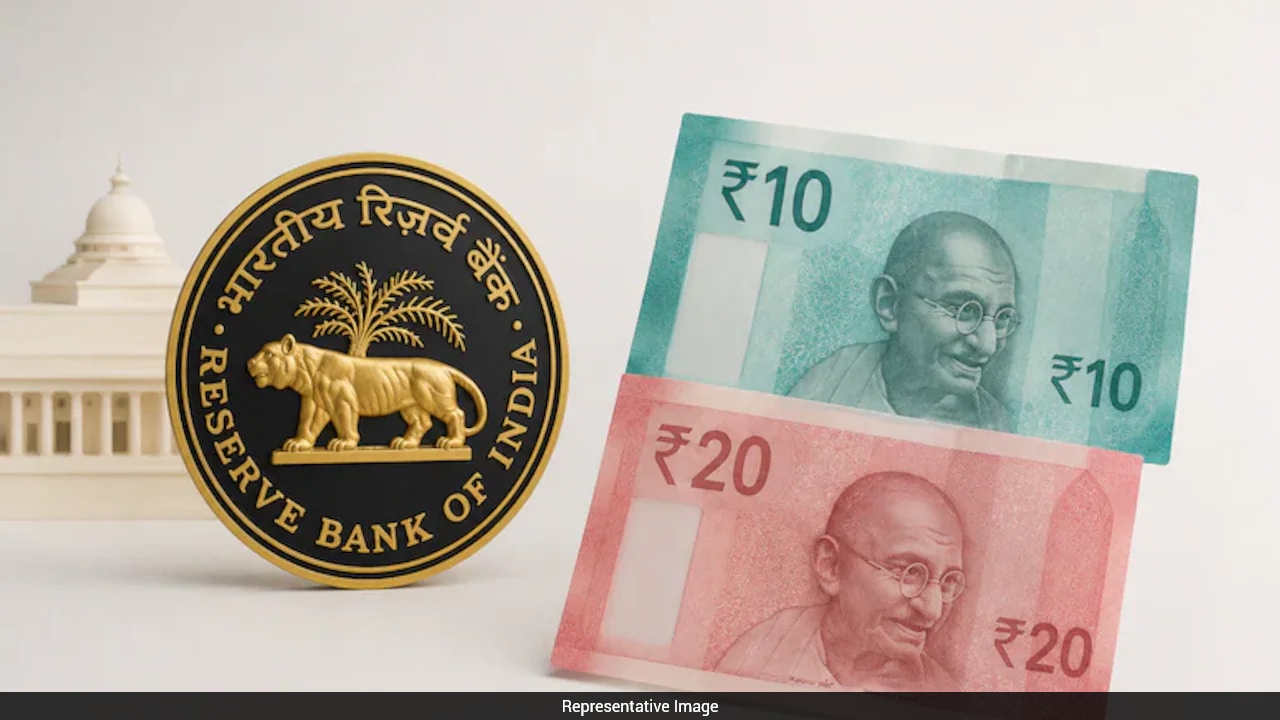
Strategic Deployment of Polymer Currency
The Reserve Bank of India (RBI) is proceeding with an expansive trial to modernize the nation's physical currency infrastructure. Under this initiative, the central bank will introduce 100 crore notes of Rs 10 denomination and an equivalent 100 crore notes of Rs 20 denomination. By introducing these 200 crore polymer units, the RBI is injecting a total value of approximately Rs 3,000 crore into the economy specifically for this pilot study.
Durability and Operational Lifecycle
The primary driver for this shift centers on longevity. Traditional cotton-based paper notes are susceptible to rapid wear, tearing, and moisture damage, particularly in high-circulation lower denominations. The RBI's objective is to determine if plastic alternatives can significantly extend the lifespan of Indian cash, thereby reducing the recurring costs associated with printing and replacing soiled currency. Existing paper notes will continue to serve as legal tender alongside the new trial units while authorities monitor the field performance of the polymer substrate.
- Total Volume: 200 crore banknotes
- Denominations: Rs 10 and Rs 20
- Aggregate Value: Rs 3,000 crore
Source: NDTV — Top Stories