
New Brunswick MLA Faces Backlash After Using AI Prompt to Conclude Legislative Address
Bill Oliver, a Member of the Legislative Assembly in New Brunswick, sparked a heated debate regarding political authenticity after reading a ChatGPT prompt during a session. Critics argue the move undermines the sincerity expected of public officials during official proceedings.
Automation Enters the Legislative Chamber
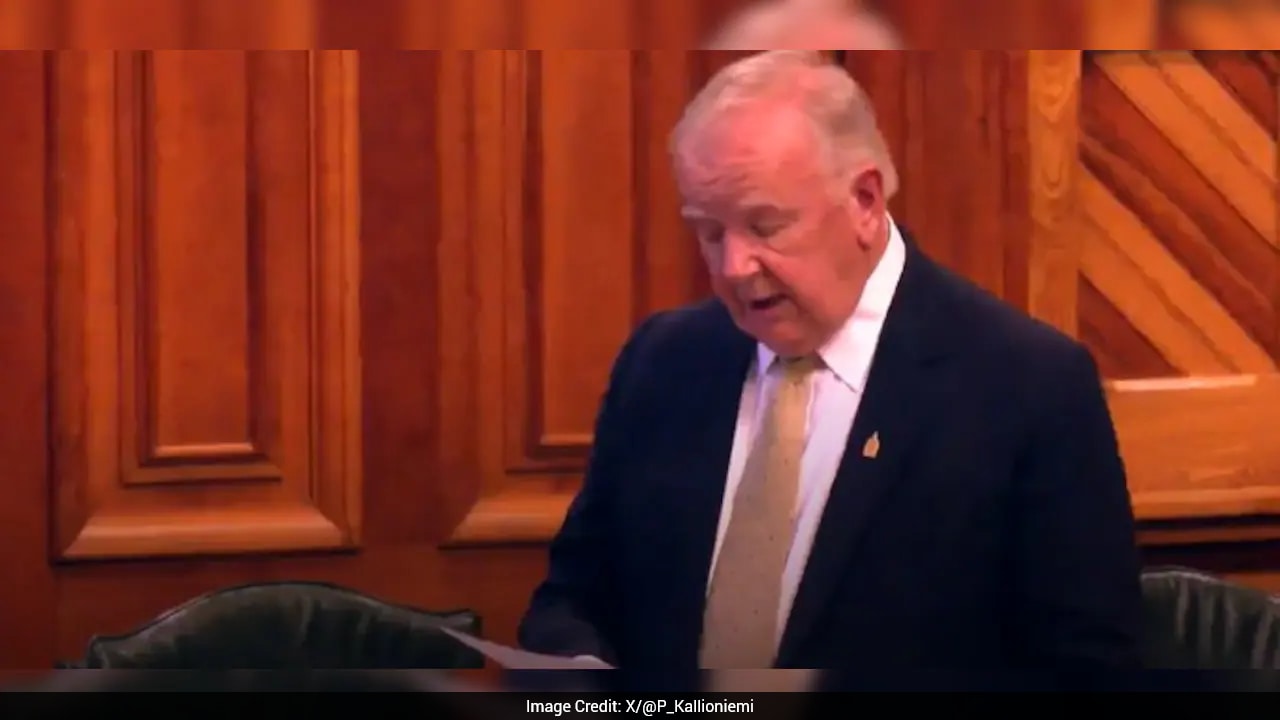
During a recent session of New Brunswick’s legislative assembly, MLA Bill Oliver drew sharp criticism for his decision to incorporate artificial intelligence into his formal remarks. Rather than delivering a self-authored conclusion, Oliver read aloud a prompt he had provided to ChatGPT, including the technology's generated response as part of his address to the floor.
Public and Digital Reaction
The incident quickly transitioned from the assembly floor to social media, triggering a wave of scrutiny from constituents and political observers. While the use of AI tools is becoming more common in administrative tasks, their application in public oratory raises questions about the labor and genuine intent behind political messaging. Key points of the controversy include:
- Authenticity Concerns: Critics suggest that reliance on AI-generated scripts devalues the personal connection between a representative and their voters.
- Procedural Standards: Some observers questioned whether reading raw prompts during official business meets the decorum requirements of the assembly.
- Online Viral Impact: Video of the moment circulated widely, with many users expressing disappointment at the lack of original thought in the speech.
The Evolving Role of AI in Governance
This event highlights a Growing tension as lawmakers experiment with large language models to streamline their workloads. While Oliver intended to demonstrate or utilize the tool's capabilities, the resulting backlash suggests that the public remains skeptical of automated engagement in high-level civic discourse. The incident serves as a benchmark for how technology and traditional political rhetoric may clash in the modern era.
Source: NDTV OffBeat

