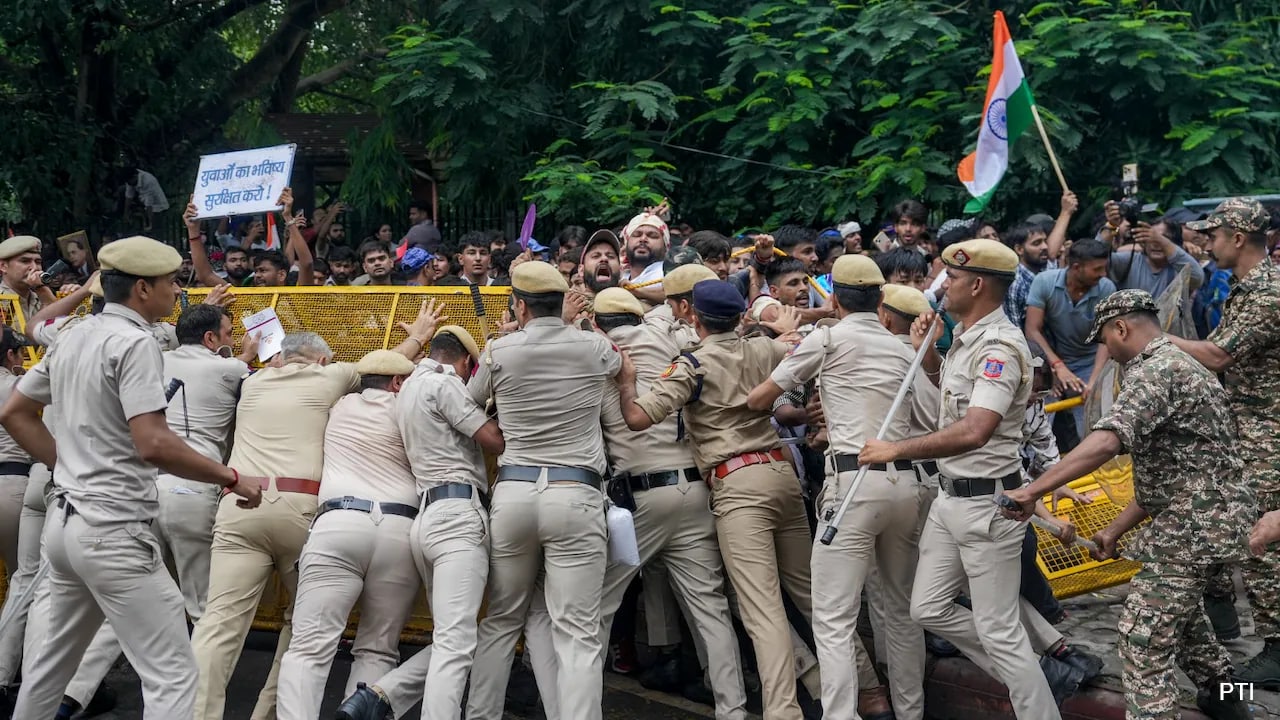
Legislative Overhaul Targets Exam Frauds with Harsher Penalties and Fast-Track Trials
The Public Examinations Amendment Bill of 2026 mandates stricter jail time and massive fines for institutionalized paper leaks. The legislation introduces strict judicial timelines to end the two-year stagnation of convictions under current laws.

Drastic Escalation in Penalties
The Union government moved to replace the 2024 anti-cheating framework by introducing the Public Examinations (Prevention of Unfair Means) Amendment Bill, 2026, in the Lok Sabha on Monday, July 27. The legislation aims to disrupt organized crime networks by significantly raising the cost of legal infractions. Under Section 10(1), general offenses now carry a prison sentence of five to 10 years and fines reaching ₹50 lakh, a sharp increase from the previous three-to-five-year range and ₹10 lakh cap.
Accountability for technical and administrative partners has also expanded. Key changes include:
- Service Providers: Fines for third-party entities involved in exam management have surged from ₹1 crore to a maximum of ₹5 crore.
- Management and In-Charge Personnel: Directors and senior staff face five to 10 years of imprisonment and standardized fines of ₹5 crore.
- Organized Crime: For systematic syndicates, the minimum jail term rises from five to seven years, with fines jumping tenfold to ₹10 crore.
Eliminating Judicial Bottlenecks
The proposed law directly addresses the lack of convictions since the 2024 Act took effect. To prevent cases from languishing, all current investigations will immediately transfer to designated Special Fast Track Courts. The Bill imposes a strict 60-day limit for police or central agencies to conclude investigations once a case is opened. Trials must reach a verdict within three months of a chargesheet being filed.
Judicial procedural shifts accompany these mandates. Trial courts are prohibited from granting adjournments beyond a single day unless extraordinary reasons are recorded in writing. Furthermore, appeals to the High Court must be adjudicated by a two-judge Division Bench and resolved within a 90-day window. States and Union Territories are required to support this infrastructure by appointing Special Public Prosecutors dedicated solely to these cases.
Legislative Context and Merit Protection
While the draft reached Parliament members on July 25, its formal introduction two days later signals an administrative push to secure transparent, merit-based selection processes. By tightening the timelines for both Special Task Forces and the judiciary, the government seeks to establish a credible deterrent against the malpractices that have historically compromised public service testing.
Source: The Hindu — News