
Legislative Mechanics: The Procedural Pathways for Parliamentary Debate
Elected officials utilize specific regulatory frameworks to bring public concerns to the floor of the House. Understanding these procedural rules reveals how legislative agendas are shaped and contested.
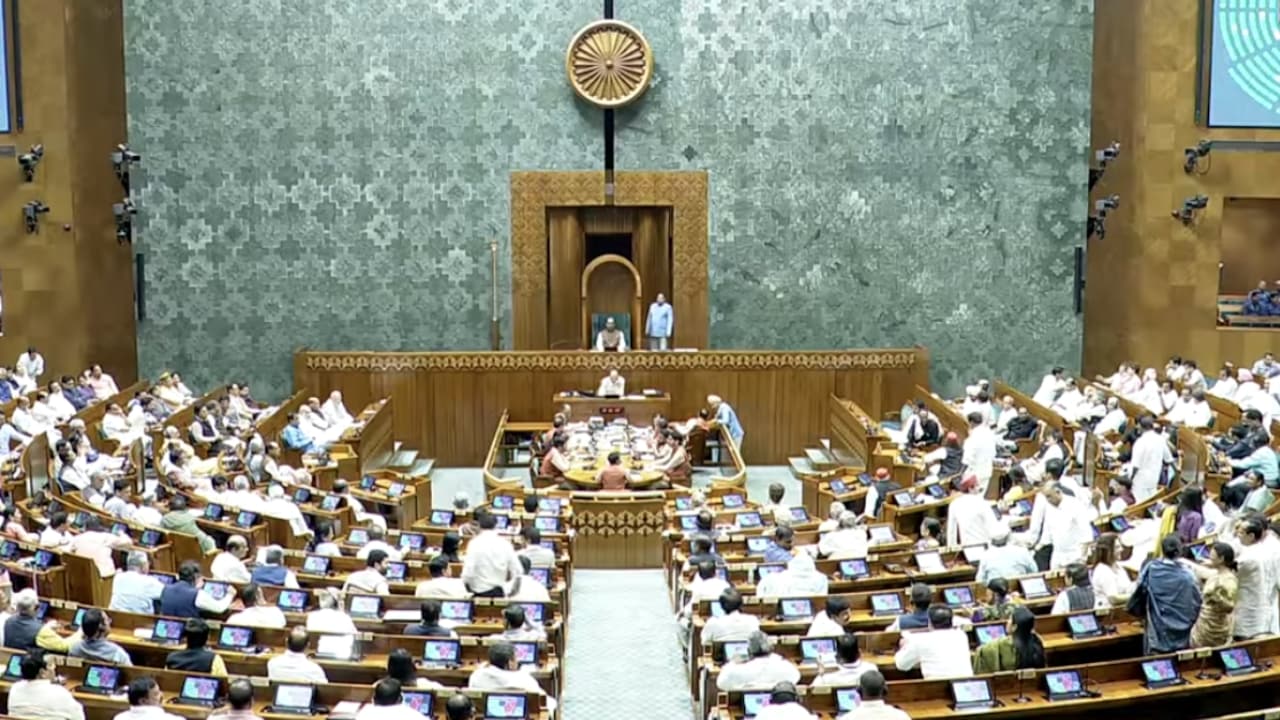
The Constitutional Mandate for Open Discourse
Representative democracy functions on the principle that elected members serve as the primary conduit for public grievances. To fulfill this obligation, Members of Parliament operate within a structured environment where the ability to initiate debate is governed by a complex rulebook. This framework ensures that while the government manages its legislative priorities, individual representatives have official avenues to spotlight urgent national matters.
Procedural Tools and Representative Responsibility
The responsibility of an MP involves more than voting on proposed statutes; it requires the strategic use of standing orders to demand transparency. These mechanisms allow for:
- Formal motions to introduce specific policy discussions.
- Adjournment motions to address matters of immediate public importance.
- Direct questioning of executive leadership during designated sessions.
By navigating these internal regulations, lawmakers ensure that the diverse voices of their constituents penetrate the highest levels of governance. The rigorous application of these rules maintains the balance between executive efficiency and legislative oversight.
Source: NDTV — Top Stories


