
Inside the 72-Hour CJP Ultimatum: Did Pressure Force Dharmendra Pradhan’s Departure?
High-stakes negotiations between the Centre and CJP representatives reached a breaking point during Friday's session. Analysts are now examining if a specific three-day deadline directly triggered the exit of Dharmendra Pradhan.
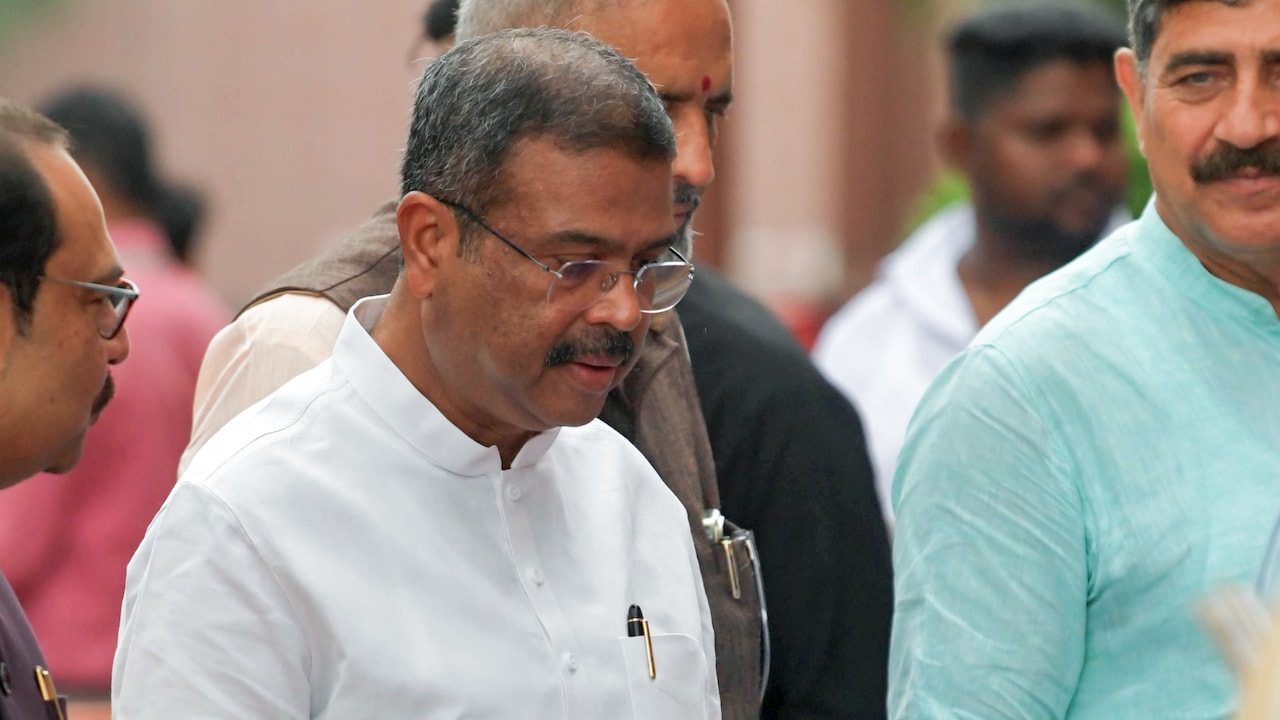
The Friday Breakthrough
The trajectory of recent government leadership shifted significantly during the second round of discussions between the Centre and representatives from the CJP. Sources intimate with these negotiations indicate that the atmosphere grew increasingly tense as both sides addressed escalating demands. It was during this specific Friday session that the dialogue transitioned from routine policy debate to an urgent political crisis.
The Timeline of an Ultimatum
Central to this development was a 72-hour window established by the CJP, which reportedly functioned as a final warning to the administration. Key data points from the meeting suggest that the exit of Dharmendra Pradhan was not a random administrative change but a strategic response to this ticking clock. Investigative leads suggest the following factors influenced the sudden shift:
- A demand for immediate accountability regarding policy implementation.
- The expiration of a three-day grace period for leadership reassessment.
- Direct pressure from CJP negotiators during the second round of high-level talks.
While official statements remain guarded, the chronological alignment between the expiration of the ultimatum and the resignation indicates a causal link. Senior officials present at the Friday talks observed a marked shift in the government's stance as the deadline neared its conclusion, ultimately leading to the current vacancy in the ministry.
Source: NDTV — Top Stories
