
Infrastructure Failure and Climate Volatility Drive Assam’s Constant Flood Crisis
Systemic failures in water management and shifting rainfall patterns continue to devastate the Brahmaputra valley. Current data confirms over 37,000 hectares of cropland remain underwater while livestock losses reach critical levels.
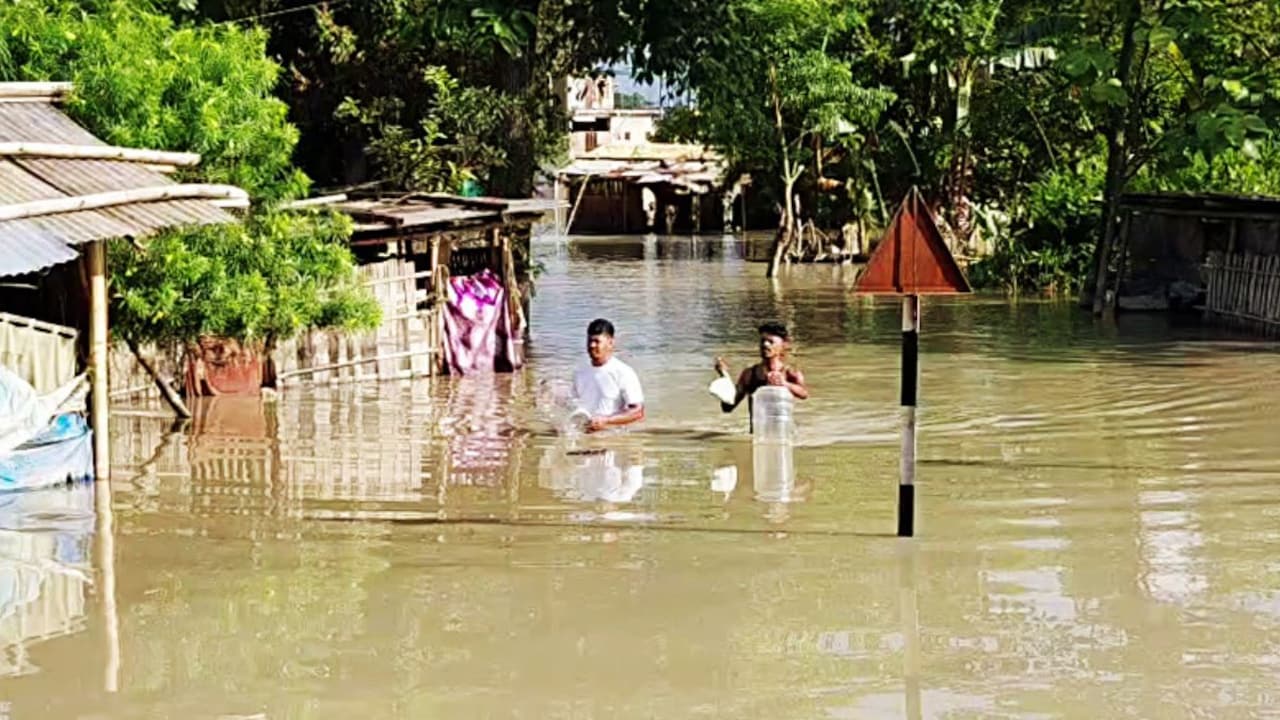
The Human and Agricultural Toll
Assam faces a relentless cycle of environmental catastrophe as monsoon patterns grow increasingly erratic. The current scale of destruction highlights a severe threat to the region's food security and rural economy. According to official figures, 37,139.52 hectares of active crop coverage remain submerged under floodwaters, effectively neutralizing the seasonal harvest for thousands of farmers. The loss extends beyond agriculture to include the death of 26,679 animals that were washed away in the recent surge.
Atmospheric Shifts and Drainage Bottlenecks
Experts point to a combination of meteorological intensity and stagnant infrastructure as the primary drivers of this recurring disaster. While the region is historically used to seasonal pulses, the compression of heavy rainfall into shorter windows prevents effective natural drainage. The consequences of these shifts include:
- Persistent inundation of fertile plains, leading to soil degradation.
- Sudden increases in river velocity that overpower existing embankments.
- Extended recovery periods for rural communities as livestock assets are wiped out.
The persistence of these water levels long after the initial rains suggests that historical flood control measures no longer align with the current climate reality. Without a fundamental shift in how the state manages the Brahmaputra’s hydrology, the annual economic drain from lost crops and drowned livestock will likely intensify.
Source: NDTV — Top Stories

