
Houthis Signal End of Calm as Tensions Re-Ignite on the Saudi Border
The fragile peace between Riyadh and Houthi insurgents is fracturing as unresolved grievances resurface. Recent escalations suggest a shift from the multi-year truce toward renewed regional hostilities.
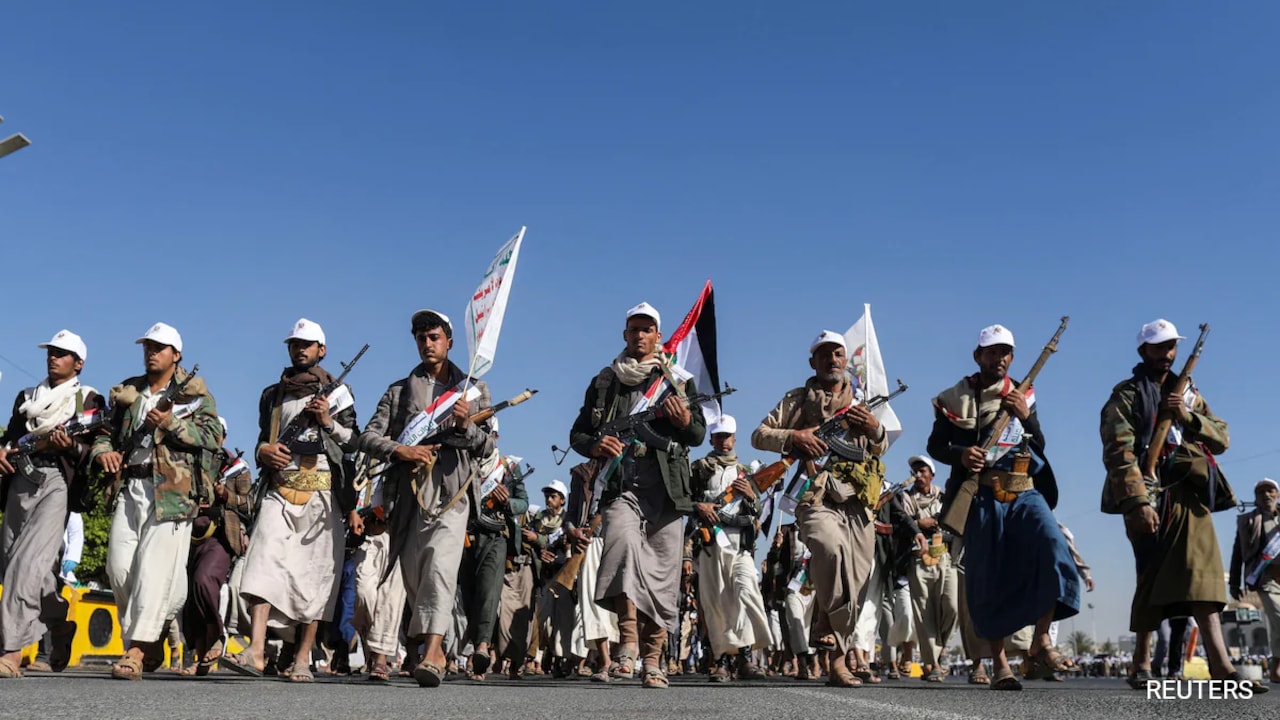
The Breakdown of a Precarious Stasis
For several years, a tenuous cessation of hostilities between the Saudi-led coalition and Iran-aligned Houthi forces provided a respite from the intensity of the Yemeni civil war. This period of relative quiet, however, lacked the structural foundations of a permanent peace treaty. While the truce halted major aerial bombardments and cross-border missile strikes, the underlying political and economic frictions that ignited the conflict in 2015 were never neutralized.
Calculated Risks and Geopolitical Shifts
Observers now note a marked shift in Houthi strategy, transitioning from defensive posturing to active provocation. Several factors drive this renewed appetite for confrontation:
- Regional Alignment: Persistent ties with Tehran continue to influence Houthi decision-making, aligning their domestic actions with broader Middle Eastern power struggles.
- Unmet Demands: Negotiations regarding civil servant salaries and the lifting of port restrictions have reached an impasse, incentivizing a return to armed leverage.
- Internal Consolidation: The rebels may be using the threat of an external enemy to galvanize local support amidst deteriorating economic conditions in the areas they control.
By challenging the status quo, the Houthi leadership is wagering that Riyadh’s desire to exit the Yemeni quagmire will lead to further concessions. Yet, this gamble risks reigniting a high-intensity war that could destabilize international shipping lanes and reverse the incremental gains made during the recent years of calm.
Source: NDTV — World