From Satirical Fringe to National Force: The Evolution of India's Student Uprising
What started as a niche protest movement by the Cockroach Janata Party eventually triggered the resignation of Union Education Minister Dharmendra Pradhan. The movement's expansion highlights a shift from symbolic defiance to a broad-based demand for systemic academic reform.
The Architect of Dissent
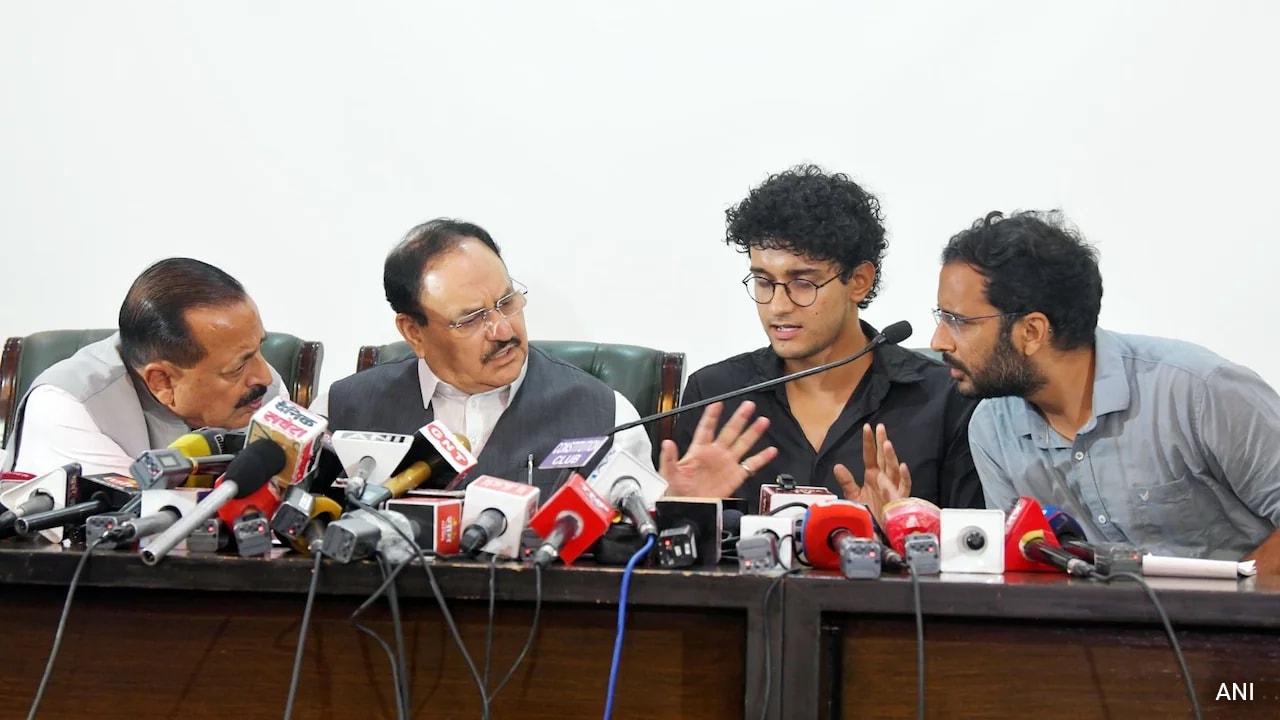
The sequence of events concluded exactly where the initial spark was struck. Following the Saturday resignation of Union Education Minister Dharmendra Pradhan, Cockroach Janata Party (CJP) founder Abhijeet Dipke issued a public acknowledgment of Chief Justice Surya Kant. This moment marked the culmination of a movement that transformed from a localized grievance into a significant political event.
Scaling the Resistance
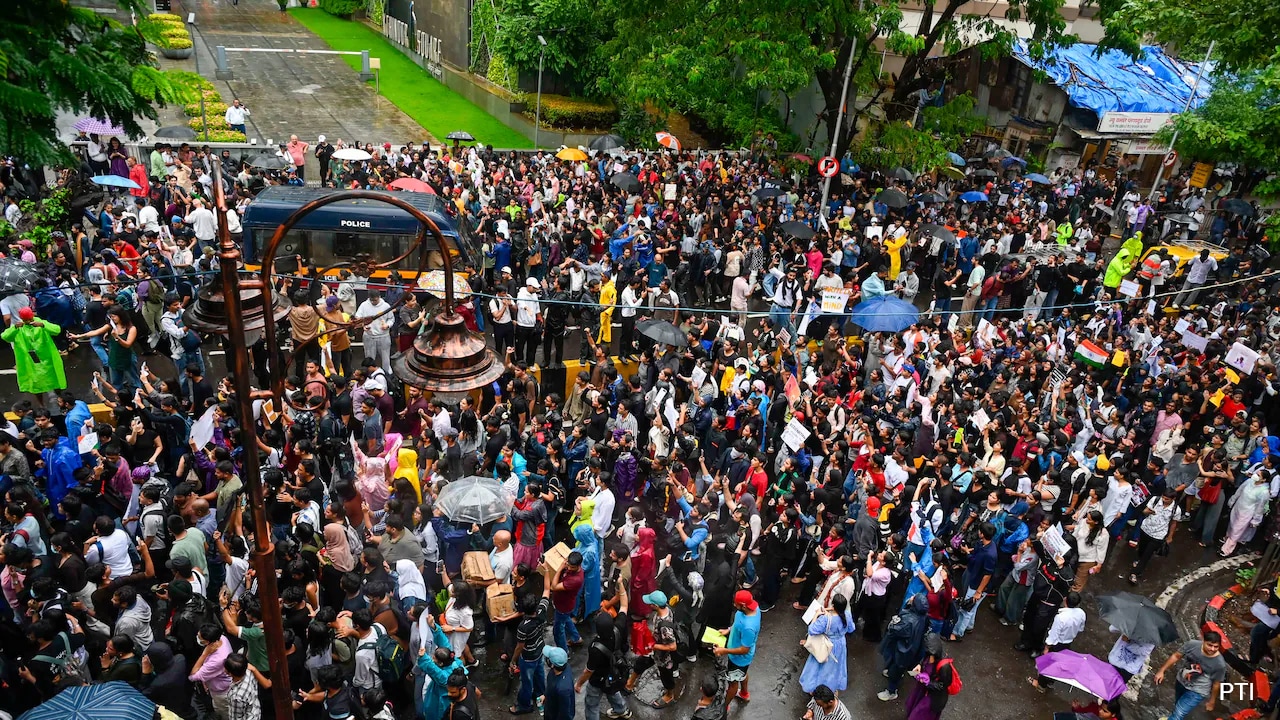
While the CJP initiated the early phases of the demonstration, the momentum quickly moved beyond the control of its original architects. The surge in participation was driven by several key factors:
- Wide-scale frustration among the student population regarding examination transparency.
- Legal interventions that validated early student concerns.
- A rapid shift in public sentiment that forced government accountability.
Institutional Accountability and the Path Forward
The departure of a high-ranking official like Pradhan signals a rare victory for student-led advocacy groups. Analysts note that the movement's success was rooted in its ability to shed its satirical 'Cockroach' branding in favor of a message that resonated with mainstream academic stakeholders. The transition from fringe activism to a national dialogue suggests a long-term change in how education policy is contested in the public square.
Source: NDTV — Top Stories