Detained Activist Sonam Wangchuk Challenges Authorities During Safdarjung Hospital Standoff
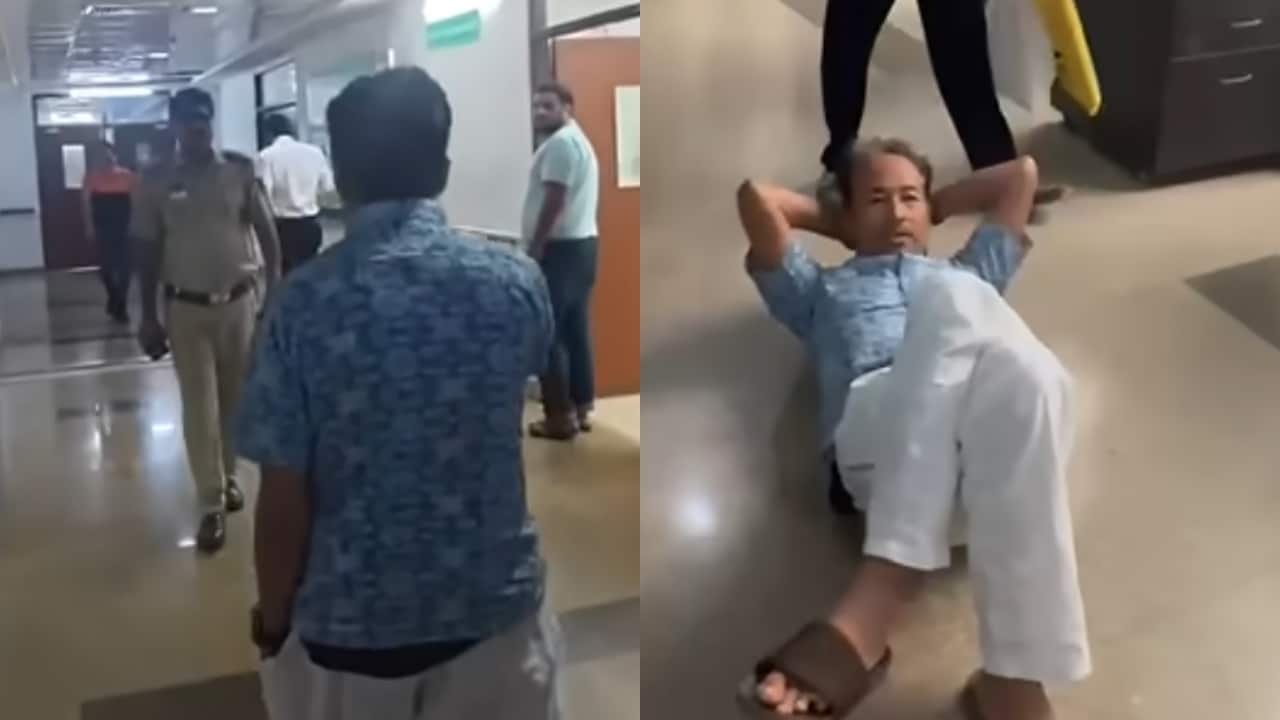
Climate activist Sonam Wangchuk faced a prolonged exit delay at Safdarjung Hospital despite a court order granting his transfer. Tensions escalated as Wangchuk challenged security personnel to arrest him during the confinement.
Legal Clearance Meets Physical Obstruction
Leh-based activist Sonam Wangchuk engaged in a sharp confrontation with security personnel at Safdarjung Hospital, claiming he was held against his will despite judicial intervention. The Delhi High Court had explicitly granted Wangchuk permission to relocate to Medanta Hospital for continued medical attention. However, Wangchuk alleged that administrative or police interference kept him confined for several hours after the ruling was issued.
The Anatomy of a Hospital Confrontation
Footage from the scene captured a defiant Wangchuk addressing a group of uniformed officers and hospital staff. During the exchange, the climate advocate questioned the legal basis for his continued presence at the facility. "Arrest me if I am a criminal," Wangchuk reportedly told the officials, challenging the ambiguity of his status. While the Safdarjung Hospital administration maintained that discharge procedures follow standard medical protocols, Wangchuk and his supporters interpreted the delay as a tactical move to restrict his movement.
Context of the Detention
- Wangchuk was initially detained by Delhi Police during a protest march from Ladakh to the capital.
- The activist is demanding constitutional safeguards for Ladakh under the Sixth Schedule.
- Medical professionals at Safdarjung maintained that patient health and clearance paperwork dictated the timeline of his release.
The incident marks another friction point between the central authorities and the Ladakh delegation. While hospital officials denied any political motivation behind the discharge timeline, the delay in honoring the court-sanctioned transfer to Medanta raised significant questions regarding the coordination between the judiciary and local law enforcement.
Source: NDTV — Top Stories