Delhi Transporters to March on Parliament Over Mandatory Ethanol-Blended Fuel
Transport associations have scheduled a protest at Parliament for August 4 to demand an end to forced E20 fuel consumption. Industry leaders claim the 20% ethanol blend causes engine damage and reduces vehicle mileage across the country.

Industry Leaders Demand Choice in Fuel Options
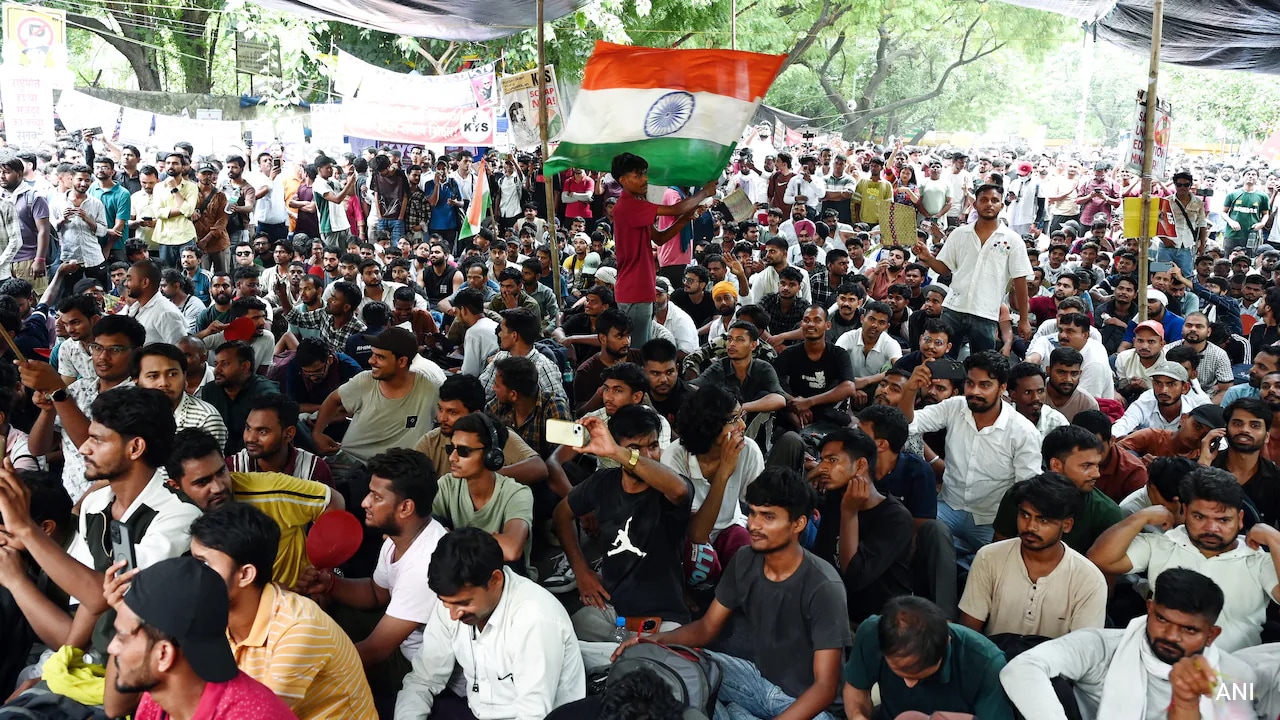
Transport associations in the capital have scheduled a protest march to Parliament for August 4. The demonstration focuses on the mandatory distribution of ethanol-blended petrol, specifically E20, which consists of 20% ethanol and 80% petrol. Organizers, led by the Delhi Taxi and Tourist Transporters and Tour Operators Association, argue that the government must stop forcing this blend on commuters and provide alternative fuel choices.
Sanjay Samrat, president of the association, characterized the march as a necessary alarm for lawmakers. He stated his intention to alert Members of Parliament to widespread reports of mechanical failures linked to ethanol additives. Samrat emphasized that the movement seeks technical solutions rather than political affiliations, distancing the group from online organizations such as the E-20 Janta Party.
Widespread Mechanical Concerns and Economic Impact
Several major advocacy groups have joined the call for action, including the All India Motor Transport Congress and the All India Motor & Goods Transport Association. While leaders like Harish Sabharwal note that no general strike has been called yet, the collective frustration stems from a lack of market options. Critics of the current policy highlight several specific grievances:
- Claims of accelerated engine wear and component degradation.
- Significant reductions in fuel mileage for commercial and private vehicles.
- The absence of unblended petrol at filling stations.
- Alleged conflicts of interest within the ethanol-blending program.
Rajender Kapoor, president of the All India Motor & Goods Transport Association, labeled the situation a major crisis for the transport sector. Meanwhile, the government maintains its defense of the E20 policy. Officials argue the program supports the agricultural sector and provides a cleaner burning fuel, asserting there are no current plans to exceed the 20% threshold despite the mounting pressure from transport unions.
Source: The Hindu — Cities