
Classroom Innovation: Interactive Attendance Board Earns National Praise for Educator
A primary school teacher has gained viral attention for her creative manual attendance system designed to build student independence. The low-cost visual board encourages children to track their own daily arrival through a tactile check-in process.
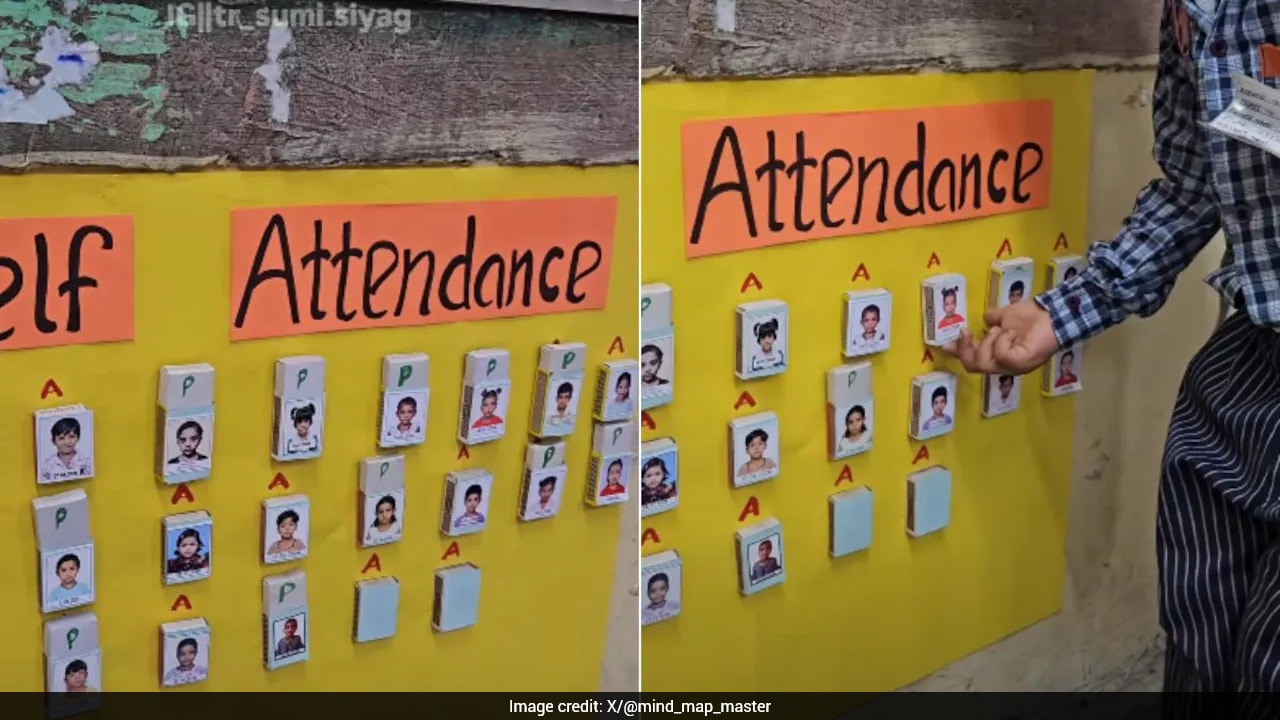
Active Participation Starts at the Door
A simple yet effective classroom management tool has resonated with millions online, highlighting how small adjustments in routine can empower young learners. Sancy Suraj, a primary educator, recently shared a video of her 'self-attendance' board, which shifts the responsibility of morning roll call from the teacher to the students. This method moves away from traditional name-calling to a visual, interactive system where children verify their presence by moving their own markers.
The system utilizes a dedicated board divided into two sections: 'At Home' and 'At School.' Each student has a personalized card featuring their photograph. Upon entering the classroom, the student finds their photo and moves it to the 'At School' column. This physical action serves as a morning ritual that reinforces a sense of belonging and accountability from the moment the school day begins.
A Catalyst for Independence and Social Bonding
Educational experts and social media observers have lauded the initiative for its psychological benefits. By allowing children to handle the attendance process, the teacher accomplishes several objectives simultaneously:
- Promoting Autonomy: Students take ownership of their presence without adult prompting.
- Visual Learning: The board provides an immediate visual representation of who is missing, helping the group identify absent peers.
- Reducing Administrative Load: The teacher can see the status of the entire class at a glance, freeing up time for instruction.
The viral footage has sparked a wider conversation about classroom culture. Commentators have labeled the approach an 'amazing initiative,' noting that such creative solutions cost very little to implement but yield significant returns in student engagement. The success of the video suggests a growing interest in child-centric teaching methods that prioritize emotional intelligence and self-regulation over rigid, top-down structures.
Source: NDTV OffBeat
