
Arctic and European Corridors Set for 2026 Total Solar Eclipse as India Misses Out
The solar event of August 12, 2026, will trace a path from the Arctic to the Mediterranean, bypassing South Asia. Astronomers identify lack of geographic alignment as the reason India will remain in daylight during the blackout.
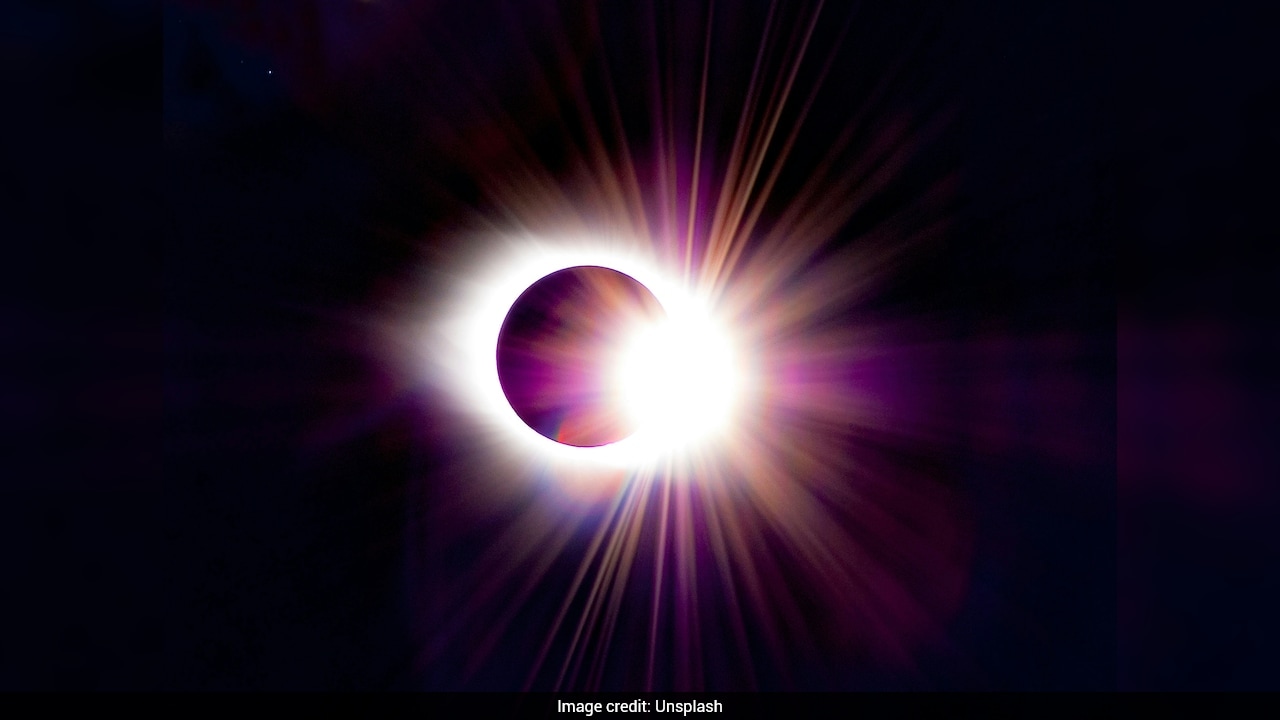
The Mechanics of the 2026 Celestial Alignment
A total solar eclipse happens when the Moon aligns precisely between the Earth and the Sun, casting a shadow that entirely obscures the solar disk. On August 12, 2026, this rare positioning will occur again, though the specific trajectory determines which regions experience the resulting darkness. The Moon must be positioned at just the right distance and angle to block the Sun's light, a condition that only applies to a narrow corridor on the planet's surface.
Visibility Constraints for the Indian Subcontinent
Despite the global significance of the event, India will not see the eclipse. The exclusion of the subcontinent stems from the specific orbital path of the lunar shadow, which will not track across South Asian longitudes during the period of totality. Observations remain limited by the Earth's curvature and the Moon's specific trajectory relative to the sun during the August window.
Primary Observation Zones
While India remains outside the zone of visibility, other global regions will witness the phenomenon. The predicted path indicates that the total eclipse will be observable from:
- The Arctic region, where the shadow first makes landfall.
- Greenland and Iceland, offering prime viewing coordinates for researchers.
- Spain and Portugal, marking the final major landmasses to witness the sun's disappearance before the event concludes over the Mediterranean.
Source: NDTV OffBeat
