
Altman’s Vision for AI-Generated Children’s Podcasts Sparks Parental Role Debate
Sam Altman's proposal to use ChatGPT for generating daily children's podcasts has met significant resistance from child development advocates. While some view the tech as a creative tool, critics warn it threatens the foundational bond between parents and children.
Key takeaways
- Sam Altman proposed using ChatGPT to generate daily, personalized podcasts specifically for children.
- Child development advocates argue that AI-generated content could replace vital parent-child conversations and bonding.
- Supporters of the idea view the technology as a practical and creative tool for delivering educational content to families.
- The controversy highlights a growing debate over the appropriate boundaries for generative AI in domestic life.
The Artificial Storyteller
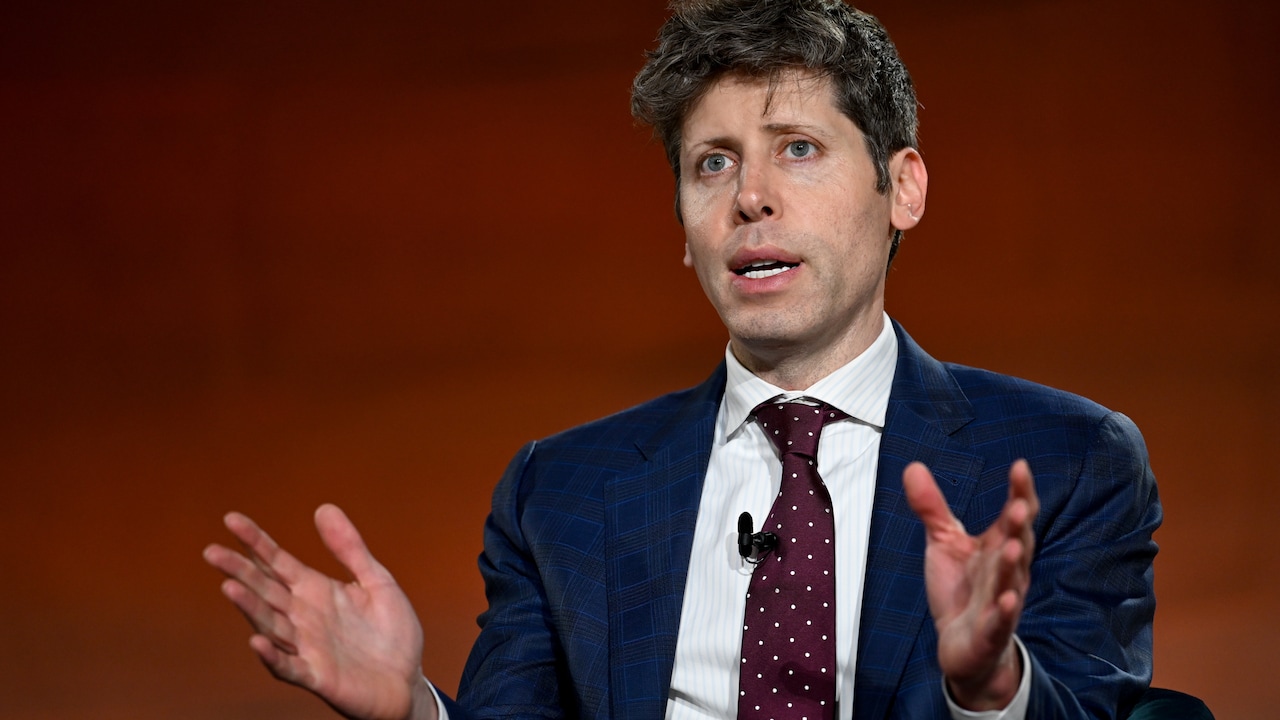
OpenAI CEO Sam Altman ignited a fresh debate regarding the role of artificial intelligence in the domestic sphere after proposing that ChatGPT could produce daily, customized podcasts for children. The concept involves leveraging the chatbot's generative capabilities to create high-frequency audio content tailored to young listeners. While some tech enthusiasts lauded the suggestion for its utility and creative potential, the proposal quickly drew fire from child development experts and wary parents alike.
Human Connection vs. Automated Content
The primary friction point involves the displacement of traditional parental engagement. Critics of Altman's vision argue that outsourcing narrative experiences to an AI risks eroding the organic dialogue that occurs between adults and children during storytelling. These detractors emphasize that the nuance of human interaction cannot be replicated by an algorithm, regardless of the quality of the generated script. Key concerns raised by the opposition include:
- The potential reduction in parent-child conversational frequency.
- The risks of habituating children to synthetic companionship over human social cues.
- The ethical implications of allowing algorithms to shape a child's daily media consumption without human curation.
Despite the backlash, proponents of the idea suggest that AI-generated podcasts could serve as a valuable resource for busy families, offering educational content that adapts to a child’s specific interests in real-time. This divide highlights the ongoing tension between technological convenience and the preservation of developmental milestones traditionally anchored in human-to-human contact.
Source: NDTV OffBeat
Related stories

Bengaluru Waste Crisis: Lokayukta Demands Total Elimination of Black Spots by August 15

Death Toll Rises to 67 Following Unprecedented Border Breach in Ceuta

Opposition Demands PM Apology Over Youth Hardships and Administrative Failures
