
Past, Present And Future Of Rainwater Harvesting In India
India faces a significant water security challenge as it supports 18 percent of the global population with only 4 percent of freshwater resources. Current government initiatives like the Jal Shakti Abhiyan are intensifying efforts to capture and store precipitation to address this imbalance.
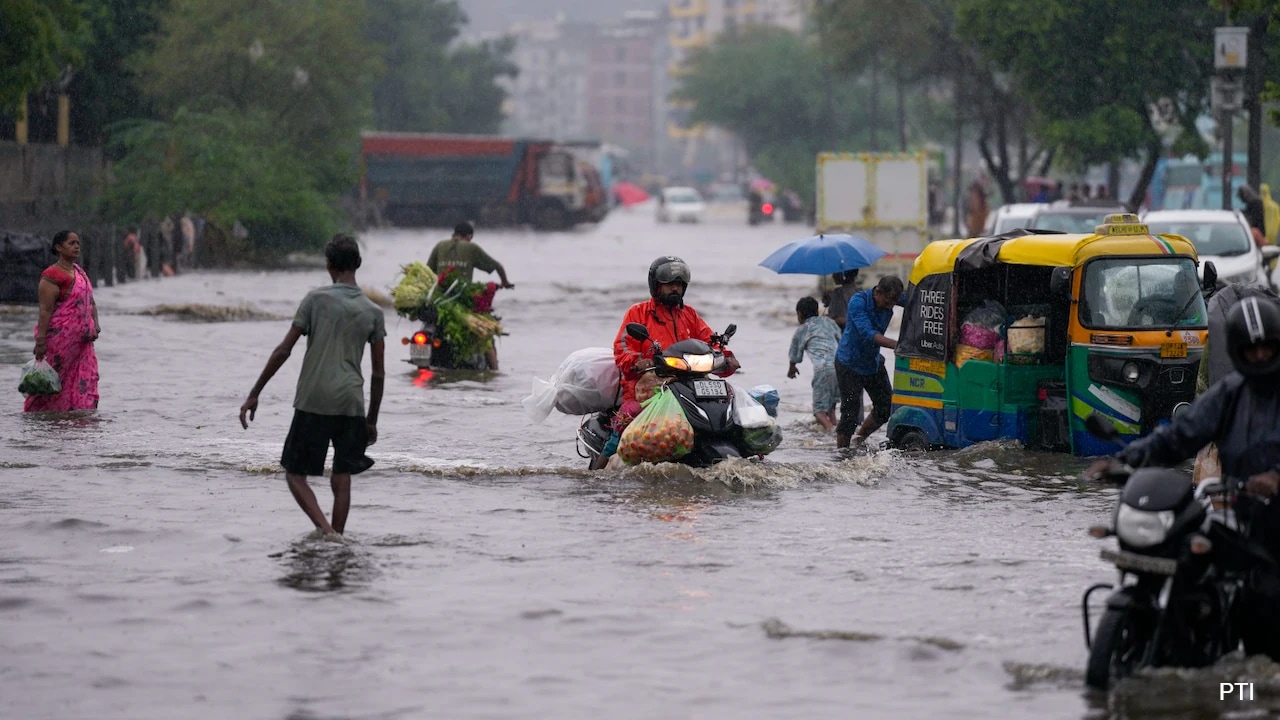
Historically, India utilized indigenous systems such as stepwells and tanks to manage seasonal rainfall, yet modernization led to a decline in these traditional practices. Today, the country is grappling with an acute water crisis characterized by over-extracted groundwater and unpredictable monsoon patterns driven by climate change.
The Jal Shakti Abhiyan represents a nationwide push to prioritize water conservation through the renovation of traditional water bodies and the creation of new harvesting structures. These efforts aim to bridge the gap between India's massive population density and its limited natural freshwater supply by promoting decentralized storage solutions.
Looking forward, experts suggest there is significant room for improvement through the integration of smart technology and stricter urban planning mandates. Scaling up artificial recharge techniques in both rural and urban sectors remains vital for achieving long-term water sustainability as demand continues to rise. Source: Jal Shakti Abhiyan.