
How much plastic is too much for marine birds, mammals, turtles?
Recent ocean research indicates that sea turtles occupy the highest risk category for plastic contamination among marine wildlife. Comparative data shows that nearly half of all sampled turtles contained synthetic debris, significantly outpacing other major marine groups.
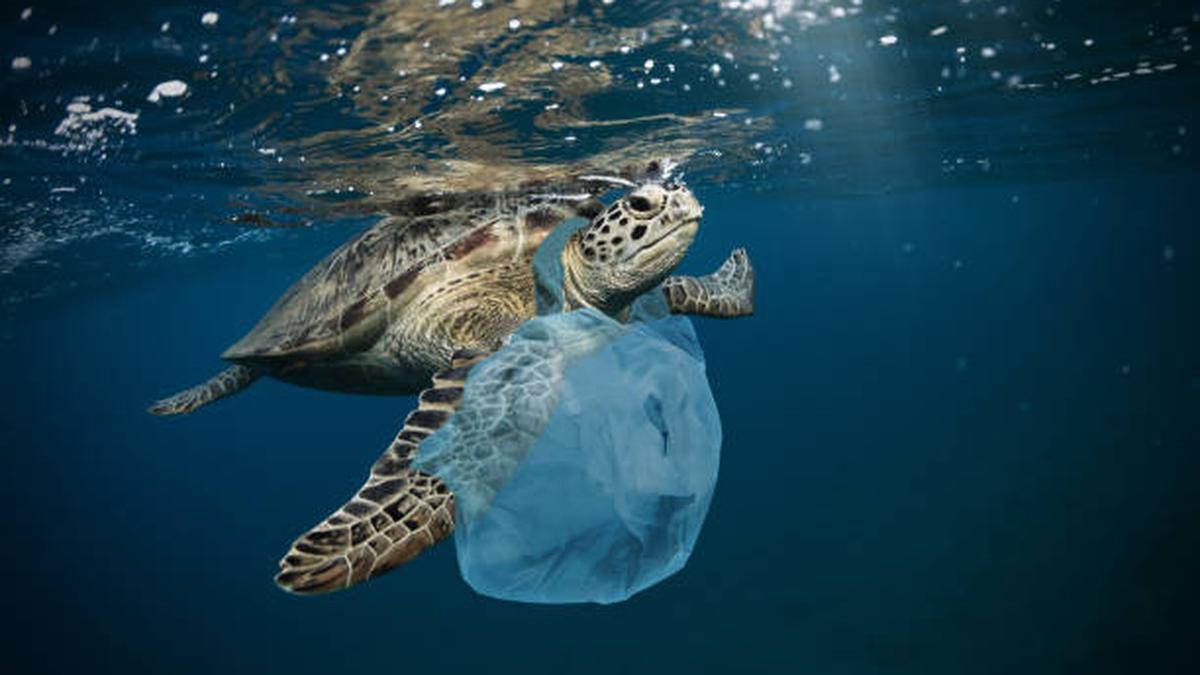
A comprehensive new study has analyzed the prevalence of plastic ingestion across various marine species to determine the scale of environmental impact. The findings reveal a significant disparity in how different types of wildlife interact with ocean debris, highlighting specific vulnerabilities based on feeding habits and habitat.
Sea turtles were found to carry the highest plastic loads, with synthetic materials present in nearly 50% of all samples studied. This high frequency is often attributed to the turtles' tendency to mistake floating plastic bags or fragments for jellyfish and other primary food sources.
Marine birds followed as the second most affected group, with 35% of individuals showing evidence of plastic ingestion. Scientists noted that while mammals and other vertebrates are also at risk, the current data suggests turtles remain the most critical demographic for monitoring plastic-related health complications. Source: Study findings reported via the provided excerpt.

