
Here's Why Parents Kidnap Their Own Children In Japan
Japan's legal framework for child custody has historically mandated a sole-custody system following the dissolution of a marriage. This legal structure often incentivizes parents to seize physical custody of a child to ensure they retain exclusive parental rights.
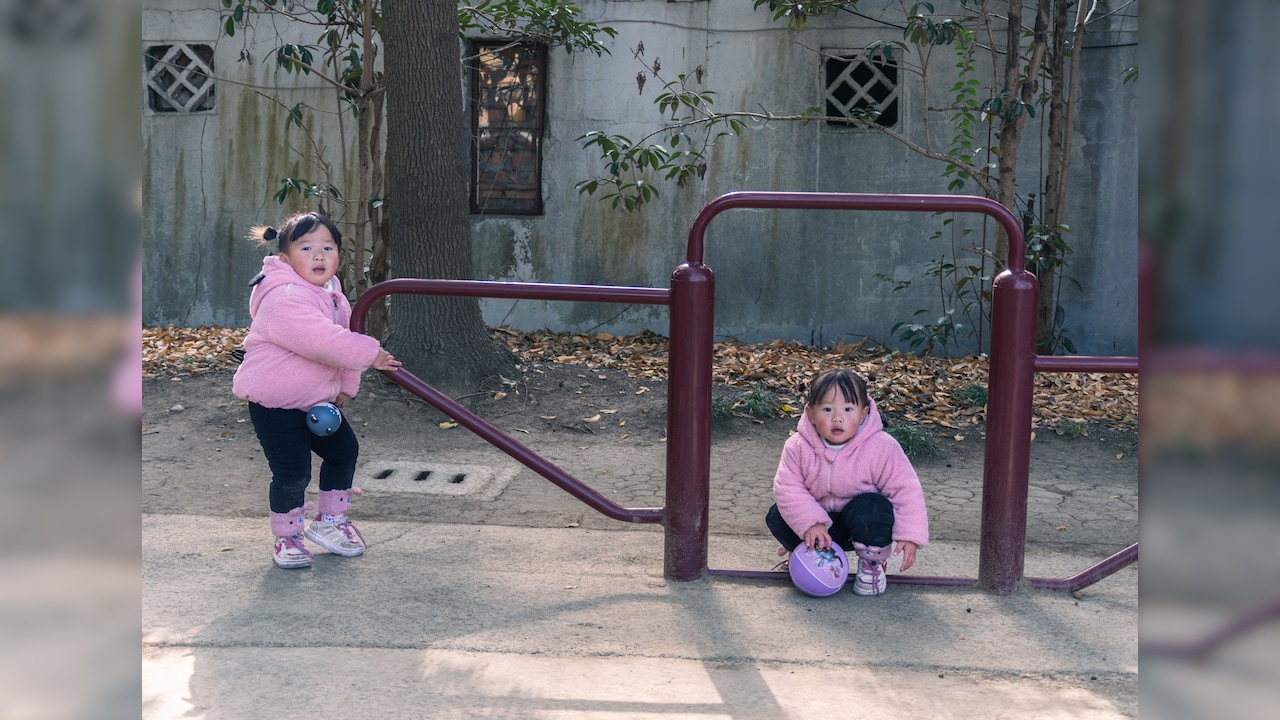
Under the current Japanese legal system, joint custody is not recognized following a divorce. This means that only one parent, typically the individual who maintains physical possession of the child at the time of separation, is granted full parental rights and legal authority over the minor.
This 'winner-takes-all' approach has led to various instances where one parent removes a child from the family home without the other's consent to secure a legal advantage in future custody proceedings. Legal experts note that once physical custody is established, Japanese courts are historically reluctant to change the status quo, often leaving the non-custodial parent with limited or no visitation rights.
International pressure and domestic advocacy have recently pushed the Japanese government to reconsider these laws. While reforms have been proposed to allow for joint custody, the existing framework continues to influence how parental disputes are managed within the country’s judicial system, according to news reports.