Rajasthan government paves way for political workers to join police’s community intel groups
4 min readJaipurJul 24, 2026 05:20 AM IST
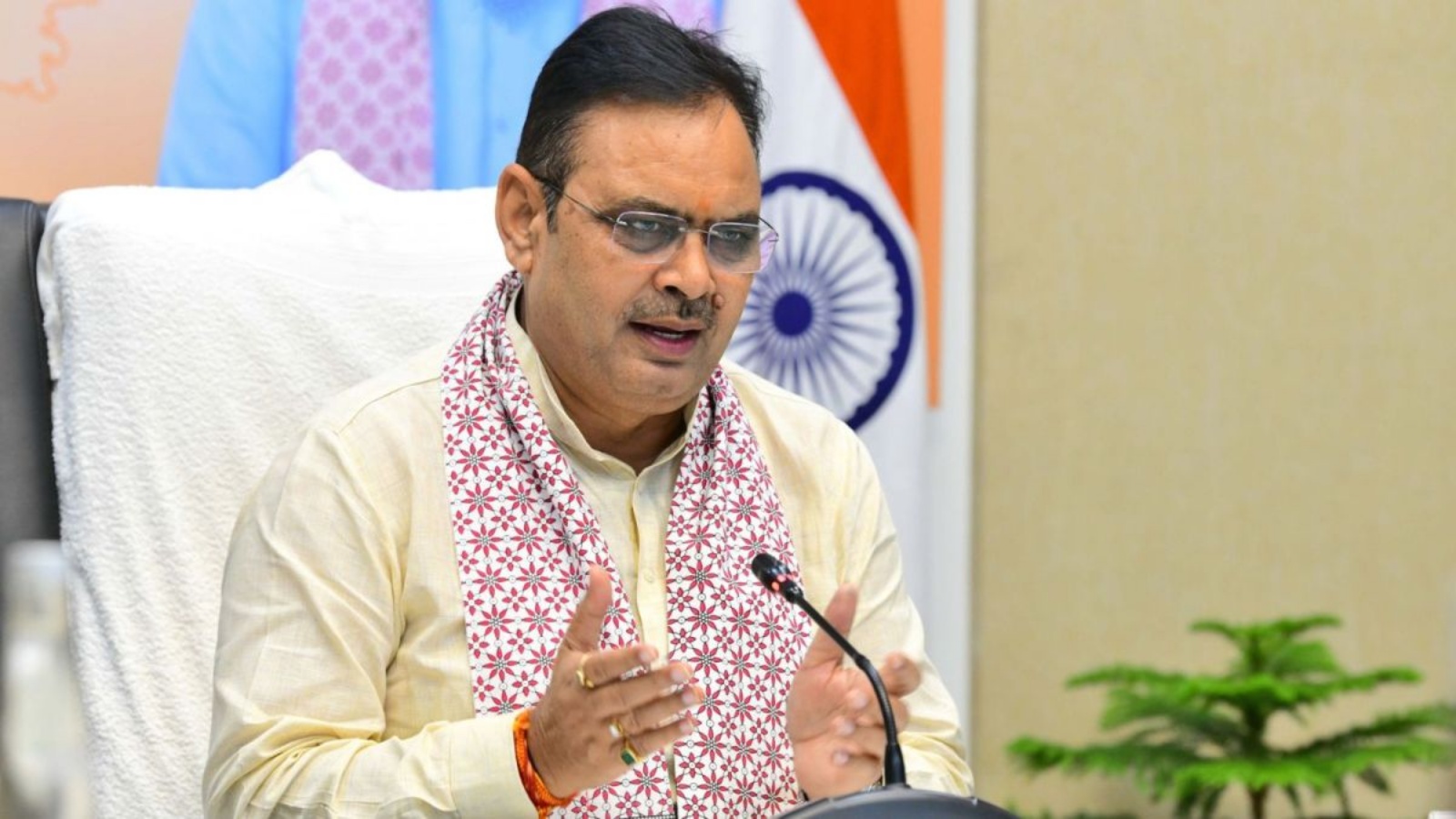
Rajasthan Chief Minister Bhajan Lal Sharma. (File Photo)
The BJP government in Rajasthan has decided to allow people from political parties to be enlisted as members of the Community Liasioning Group (CLG), which plays a crucial role in intelligence gathering and maintaining public order.
So far, as per the Rajasthan Police Rules, 2008, a person couldn’t be part of a CLG “if he is a member of a political party or its affiliate”.
However, the state home department has amended the Rules, through a July 19 notification, and deleted the relevant clause entirely. Maneesh Goyal, joint secretary (home), who issued the notification, could not be reached for a comment.
CLGs are a crucial part of maintaining law and order, assisting police in gathering intelligence, tracking criminals, and preventing crimes.
Congress spokesperson Swarnim Chaturvedi condemned the move, alleging that the government is ”seating their political workers from the BJP and the RSS in all the institutions”.
“And that is why the institutions have been collapsing one after the other,” he said, adding that CLG members “defuse and resolve any social unrest. People trust them and listen to them. But if they impose political workers, then how will there be any trust between people”.
He said that the Congress will raise the issue at an appropriate level in the days to come.
Story continues below this ad
According to government data, there are 75,265 CLG members spread across Rajasthan’s Ajmer Range (21,186), Bharatpur Range (3,313), Bikaner Range (10,301), GRP Range (931), Jaipur Commissionerate (4,722), Jaipur Range (7,105), Jodhpur Commissionerate (793), Jodhpur Range (6,245), Kota Range (6,760) and Udaipur Range (13,909). These include CLG members at the police station, beat, panchayat and ward levels.
Other conditions which still render a person ineligible for CLG include conviction by any court; registration of a criminal case or under trial; if he is suspected to be involved in any criminal activity or has association with criminals; and if he is involved in property and land disputes and other litigation.
What they do
The rules state that CLG members are appointed by the District Superintendent of Police on the recommendations of the Officer In-charge of the Police Station and the Circle Officer concerned.
While there is no specific criterion for their eligibility, the rules say that only local residents of a panchayat or a police station jurisdiction can be inducted as CLG members, and that the person “should be a respectable citizen, and should bear a good moral character”.
Story continues below this ad
Additionally, CLGs should “have fair representation of all classes and all walks of life” with at least two representatives each from women and Scheduled Castes/Scheduled Tribes.
The panchayat-level CLGs shall consist of five members while police station-level CLGs shall consist of 30 members. And of these, a third should be retired at the end of each calendar year.
Officially, their roles include assisting police in improving police-community relationships; bringing police related problems faced by people and assisting in finding solutions; helping police in apprehending offenders and in crime prevention measures; organising public awareness programmes; providing assistance to police in the collection of criminal intelligence; and bringing to their notice any development which is likely to have an impact on public peace. These aren’t paid positions.
Other roles include apprising the superiors about the conduct of any police officer within their area; assisting the police in maintaining communal harmony and law and order; providing assistance to police during communal tension, religious festivals, processions, rallies, natural disasters, etc.; keeping the secrecy of communication and information. They are not supposed to interfere in the investigation of cases and in the normal police functioning.
Hamza Khan is a seasoned Correspondent for The Indian Express, specifically reporting from the diverse and politically dynamic state of Rajasthan. Based in Jaipur, he provides high-authority coverage on the state's governance, legal landscape, and social issues, directly supporting the "Journalism of Courage" ethos of the publication. Expertise Politics & Governance: Comprehensive tracking of the Rajasthan Legislative Assembly, including policy changes (e.g., the Right to Health Bill and Anti-Mob Lynching Bills), bypoll dynamics, and the shifting power structures between the BJP and Congress. ... Read More
- Tags:
- Bhajan Lal Sharma
- Rajasthan
- Rajasthan Police
Source: Indian Express
Related stories

Supermicro Introduces New Server Portfolio with 6th Gen AMD EPYC™ 9006 Series CPUs, Delivering 1.7x Generational Performance Improvements
Jantar Mantar protest LIVE: Govt. has agreed to our request to hold talks today at neutral venue, says CJP