Opinion: Opinion | Kaveri To J-20, How China Overtook India In A 40-Year-Old Race To Build Fighter Jets
Since the 1980s, India and China have pursued independent military jet engine programs with vastly different outcomes. While both nations initially relied on Soviet technology, China has successfully operationalized advanced platforms like the J-20 while India's Kaveri engine faced significant setba
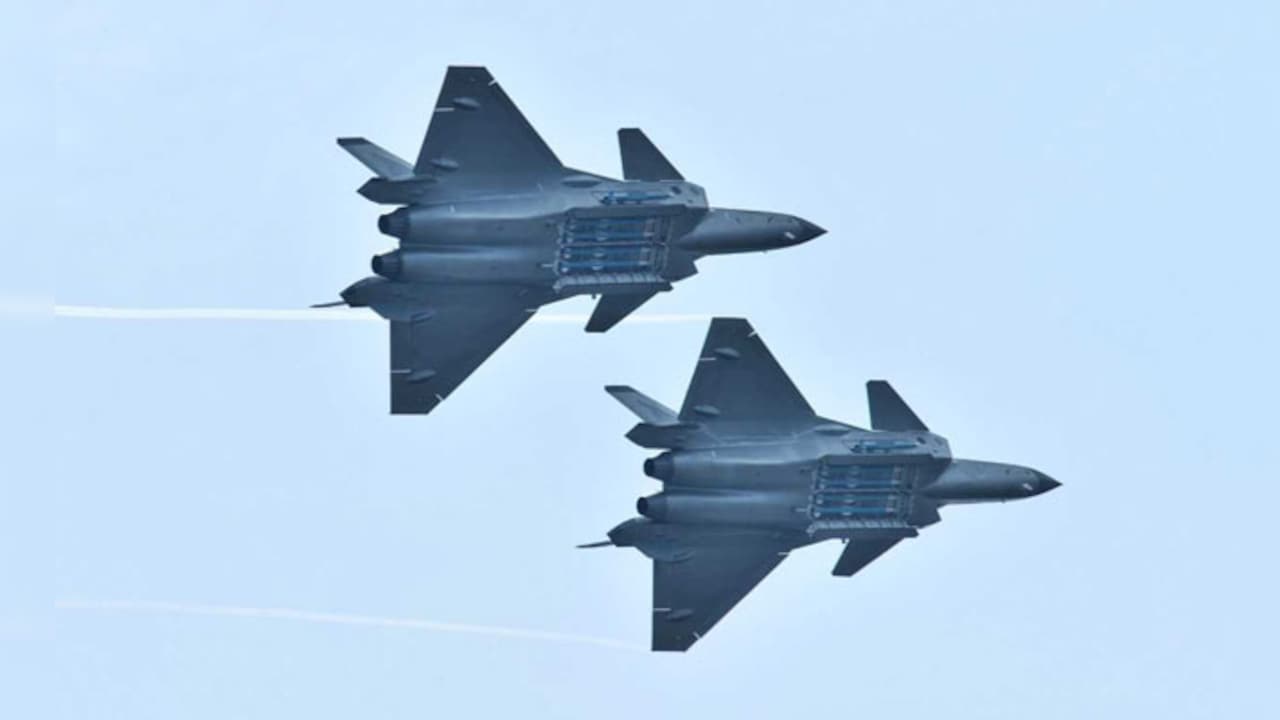
In the early 1980s, both India and China embarked on ambitious domestic aerospace programs to reduce their reliance on foreign military technology. India launched the Kaveri engine project to power its indigenous Tejas fighter, while China focused on developing its WS series engines to modernize its air force capabilities.
Despite the shared starting point and a heavy initial dependence on Russian engineering, the two nations have diverged significantly over the last four decades. China has managed to bring several indigenous engines into serial production, powering stealth platforms like the J-20 and maturing its manufacturing ecosystem through massive industrial scaling.
In contrast, India's Kaveri engine program struggled with technical hurdles, including high-altitude performance issues and weight management, leading to its eventual decoupling from the Tejas project. While India now pursues new international joint ventures to bridge the gap, China has solidified its position as a global leader in high-performance jet engine manufacturing. Source: NDTV / Opinion.