Football Takes Back Seat: The Untold Cost Of Spain's World Cup Triumph
Goals, assists, wins, and defeats took the back seat as geopolitical and commercial interests became the central talking points of the FIFA World Cup 2026.
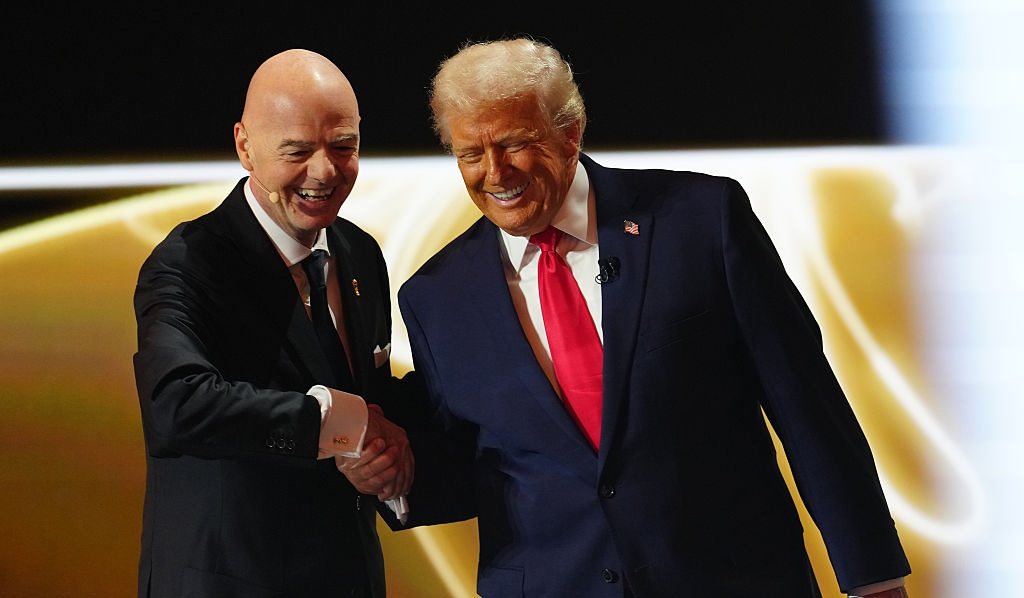
The FIFA World Cup 2026 promised to open new doors, reach a wider audience, and mark the beginning of a new chapter with 48 teams participating for the first time. While there's no denying that the expanded tournament gave hope to several of those nations that had stopped dreaming of participating in the 'Greatest Show on Earth', it also hinted at how catastrophic it could be if politics were allowed to infiltrate sports. As the tournament concludes with Spain's triumphant performance against defending champions Argentina in the final, the sporting world isn't only buzzing about the footballing drama that unfolded in North America, but also about the precedent set when commercial expansion and geopolitical realities diluted the most loved game on the globe.
For decades, international football federations have balanced the global expansion of the game against accessibility for local and international supporters. In 2026, the sheer cost of attending-from elevated ticket pricing to dynamic surges in host city accommodation-raised pertinent questions about whether traditional fans were being forced out of the game.
Even if the financial barrier was crossed, non-sporting political friction became the second hurdle that saw many fall.
The case of Somali referee Omar Artan, who was named the CAF's Referee of the Year, drew international attention. Despite holding valid travel documentation, Artan was denied entry by US immigration authorities in Miami under strict border-vetting protocols. Even FIFA couldn't intervene, leaving Artan with no option but to return home.
Similar geopolitical tension affected the Iranian national team, whose delegation faced stringent visa and logistical restrictions that required them to base operations in Mexico and commute under tight timelines for fixtures held in the US. Iran was even asked to return to its base in Tijuana immediately after the game, creating a logistical nightmare for players that they found tough to recover from between matches.
FIFA and global bodies have often advocated open-access ideals, but implementation is frequently overlooked.

Political Neutrality Blurred
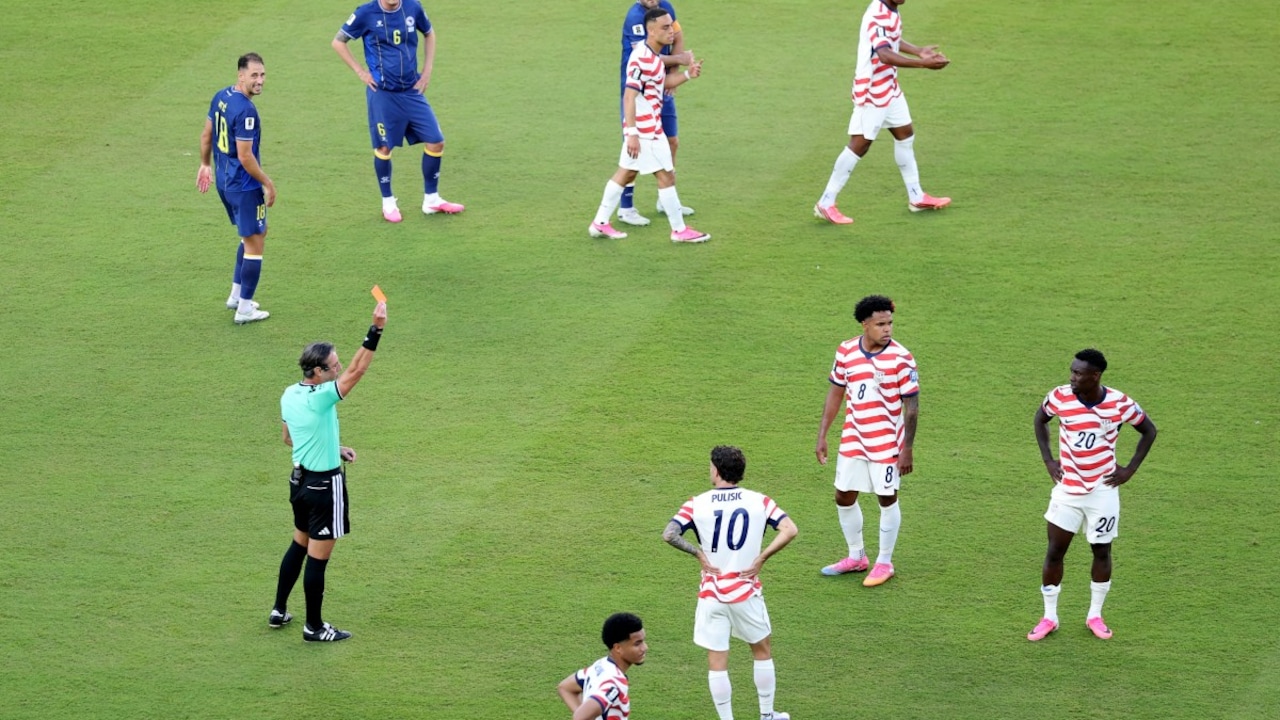
In its rulebook, FIFA mandates political neutrality and states that football governance must remain independent of state interference. However, the lifting of USA striker Folarin Balogun's one-match ban is a prime example of how the line between politics and sports was blurred in this tournament.
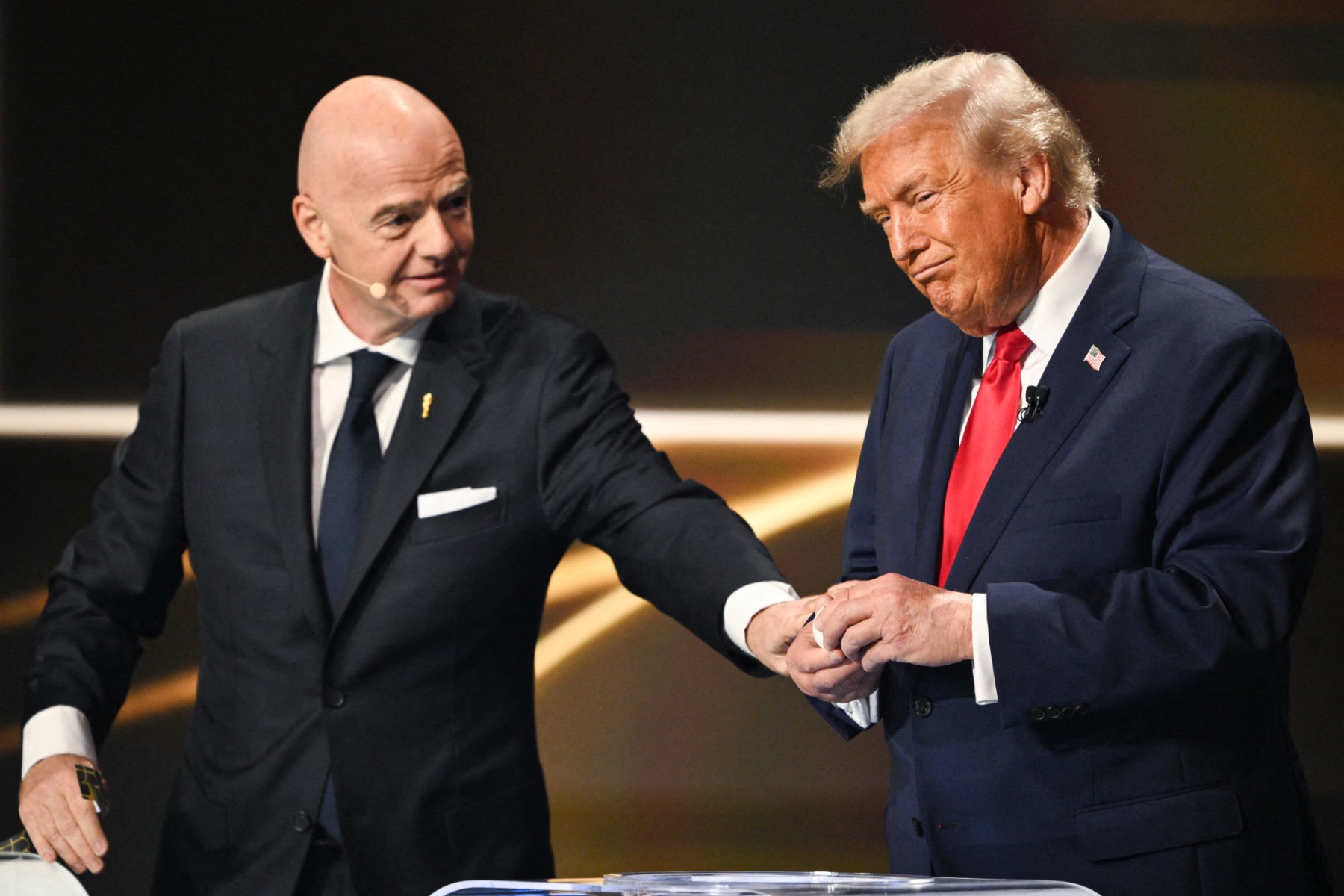
After receiving a red card during a Round of 32 fixture against Bosnia and Herzegovina, Balogun was facing an automatic one-match ban. US President Donald Trump intervened and reportedly called FIFA chief Gianni Infantino three times, asking for his intervention in the matter. Eventually, FIFA's Disciplinary Committee froze the suspension under Article 27 of its code, placing Balogun on probation and clearing him to play in the Round of 16 against Belgium.
Though the decision arguably ended up putting more pressure on the US team and Balogun, European football authorities (including UEFA) and rival associations expressed concern over the precedent, saying the action was strictly against FIFA's own anti-politics protocol.
A World Cup Broken To Suit US Taste
From an operational standpoint, the 2026 edition of the World Cup was broken and re-moulded into a format to match American broadcast and event-management standards.
With matches scheduled across extreme climate conditions and designed to maximise prime-time advertising slots, mid-half cooling breaks became standard practice, functionally altering the match rhythm into distinct quarters-breaking a flow that has been central to the way football is played for years.
What was mind-boggling was the fact that the FIFA World Cup final saw the half-time window being broadened to accommodate a show that purists, including Wayne Rooney, branded 'crap'. The half-time break in the final lasted for nearly 30 minutes to accommodate large-scale musical performances, often witnessed in models used by North American sports leagues.
Critics strongly believe that this over-commercialisation prioritises broadcast revenue and corporate sponsors over the traditional integrity and physical demands of the 90-minute game. If the trend continues, football as we know it may start to go extinct.
What Next For Football?
While this World Cup has clearly demonstrated FIFA's capability to stage an unprecedentedly large event, it has also exposed how far the sport's governing body is willing to go to suit its commercial and political interests.
When financial growth and geopolitical influence dominate the conversation surrounding a World Cup, the reputation of an international sport like football is eroded. Restoring confidence before future expansion cycles will require FIFA to establish stronger safeguards, ensuring the soul of the game continues to be protected from outside interests.
Source: NDTV Trending