
Dolphin City: Chennai’s dolphinarium that shaped national debate on marine mammal captivity over 25 years ago
Hosting a dolphinarium in Chennai turned into controversy as all the three dolphins died, setting off one of the country’s earliest debates on the ethics of marine mammal captivity
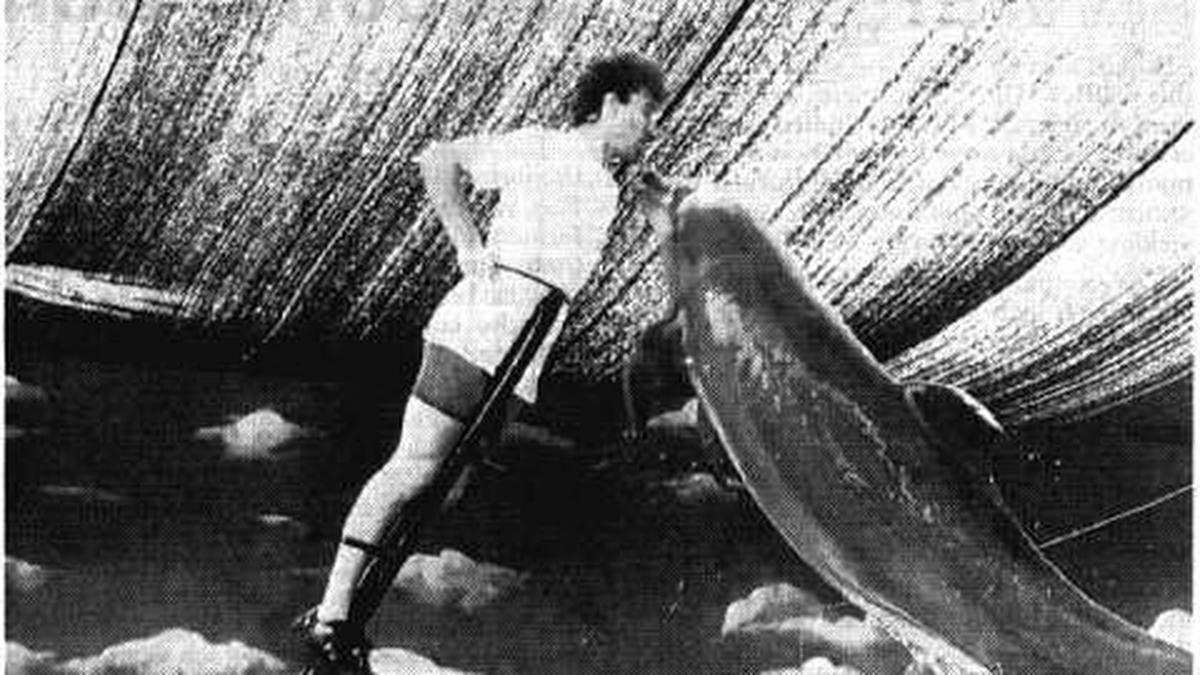
In the late 1990s, Chennai briefly hosted what was projected as a futuristic entertainment experiment — a dolphinarium on the East Coast Road near Mamallapuram. Named Dolphin City, the facility promised an experience modelled on American marine theme parks such as SeaWorld, by introducing captive dolphin shows to Indian audiences for the first time.
Within months, the spectacle turned into controversy as all the three dolphins died, setting off one of the country’s earliest debates on the ethics of marine mammal captivity.
A report in The Hindu dated July 13, 1998 described the excitement surrounding the opening of Dolphin City, where imported dolphins — Peppy, Antorio, and Daisy — performed acrobatics before packed audiences. The ₹13-crore facility, operated by Amusements and Picnic Resorts Private Limited, featured a 1,500-seat arena and an underground viewing gallery for observing dolphin behaviour.
According to the report, the dolphins had been flown from Bulgaria and were trained to balance balls, leap through hoops, catch fish from trainers and interact with spectators during choreographed shows. Promoters positioned the dolphinarium as the “king of tourist attractions” along the East Coast Road, equipped with modern filtration systems, chlorination devices and cooling mechanisms intended to maintain water temperatures suitable for marine mammals.
Early criticism and concerns
For many Chennai residents, the attraction offered a rare glimpse of animals previously seen only in foreign theme parks and films. However, critics and animal welfare organisations highlighted the physiological stress caused by confinement, difficulties in maintaining appropriate water conditions, and the lack of specialised veterinary expertise.
An article in The Hindu published on October 12, 1998 referred to a letter from a reader pointing to environmental concerns surrounding the dolphinarium, including noise pollution from loud music, traffic and parking problems affecting nearby villages, and the heavy use of groundwater.
The same column also reported the tragic development that all three dolphins had died, along with several sea lions. Observers suggested that excessive chemical use in tanks and climatic incompatibility may have contributed to the deaths. The article noted that dolphins typically inhabit cooler waters and questioned the feasibility of maintaining such species in a tropical city like Chennai.
Animal welfare organisations, including the Blue Cross of India, called for cancellation of permits and reconsideration of the project.
Tragedy reshapes public perception
Following the deaths, Dolphin City came to represent the broader challenges associated with keeping marine mammals in captivity. The episode also brought scientific concerns to the forefront, one of which is that dolphins are highly social and intelligent animals whose ecological and behavioural needs are difficult to replicate in artificial environments.
Despite the controversy, attempts were made to revive the facility. As reported in The Hindu on August 27, 2000, the operators sought fresh government clearance to import dolphins from tropical regions. Inspections by international marine mammal experts and Indian authorities evaluated the dolphinarium’s infrastructure and recommended improvements in husbandry practices, feeding patterns and staff training.
While sanitation and life-support systems were said to be extensive, the inspection pointed out gaps in expertise and veterinary preparedness. The company also explored alternative funding sources and continued sea-lion shows while awaiting regulatory decisions. Yet, the earlier deaths continued to provoke opposition from wildlife watchers and animal welfare activists.
A turning point in national policy debates
The Chennai dolphinarium episode became part of a wider national conversation about captive dolphin facilities. Reports in The Hindu during 2012 and 2013 covering proposals in Maharashtra and Kerala cited scientific and welfare concerns about dolphin captivity. Authorities noted similar previous ventures had resulted in animal deaths due to inadequate preparation and care.
These debates culminated in a policy shift. In May 2013, the Union Ministry of Environment and Forests declined permission for dolphinariums in the country, citing the welfare risks of captivity for highly intelligent cetaceans and the behavioural distress caused by confinement. The Chennai dolphinarium’s experience was frequently invoked as an example of the risks associated with such facilities.
Decades later, the State’s approach to dolphins has shifted markedly. Tamil Nadu’s implementation of Project Dolphin is aimed at conserving dolphin habitats along the Gulf of Mannar coast. The initiative focuses on threats such as fishing net entanglement, hunting and climate change, while promoting community participation in marine conservation.
The policy evolution points to a change in public and government attitudes, from viewing dolphins as performers to recognising them as protected marine species and ecological indicators. Today, Dolphin City survives in memory as a short-lived spectacle that exposed the tensions between entertainment and ethics, and the harsh climatic realities of confining marine mammals in tropical captivity.
Source: The Hindu — Sci-Tech