
Can US Or Iran Control Strait Of Hormuz? Here's What Law Says
Recent developments have seen both the United States and Iran attempting to assert greater control over the Strait of Hormuz through tolls and blockades. These maneuvers raise significant legal questions regarding international maritime law and the sovereignty of global oil shipping routes.
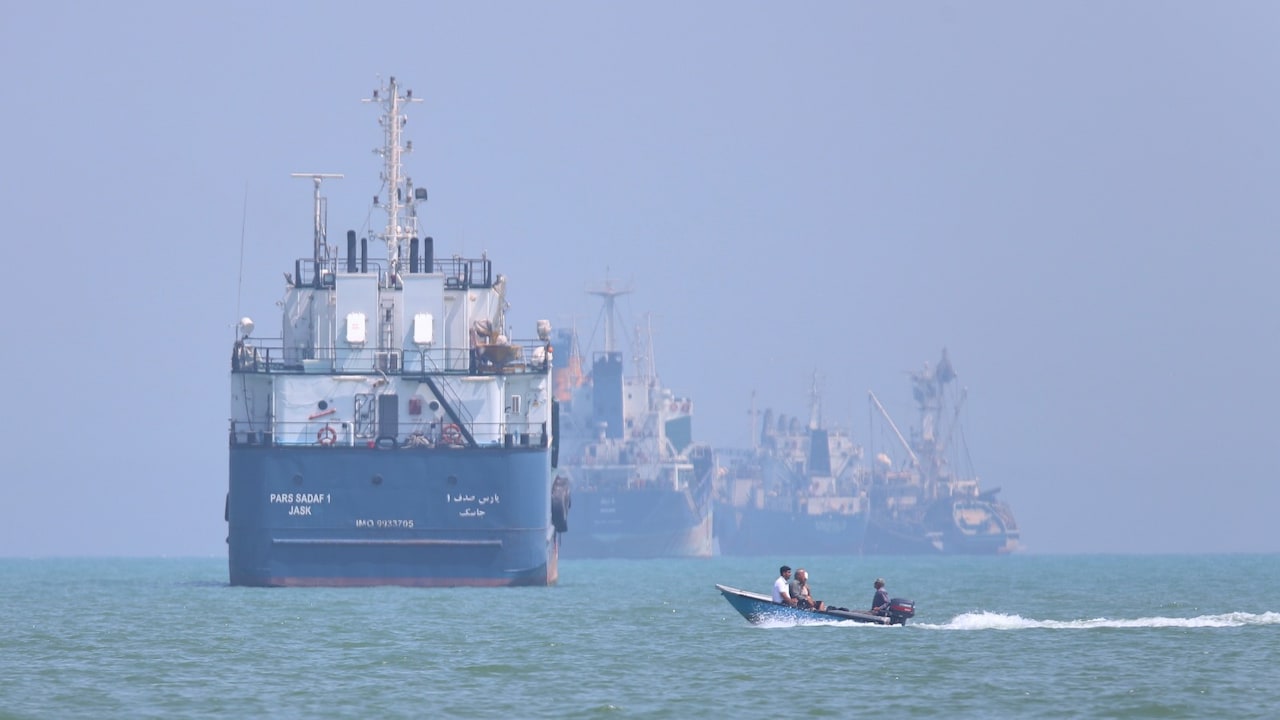
The Strait of Hormuz remains the world’s most critical oil transit point, connecting the Persian Gulf to the Gulf of Oman. Under the United Nations Convention on the Law of the Sea (UNCLOS), the strait is recognized as an international waterway where all vessels enjoy the right of transit passage, a status that limits the ability of coastal states to legally impose tolls or blockades.
However, recent reports indicate a shift in policy from both Tehran and Washington. While Iran has historically threatened to close the strait during times of military tension, the U.S. has recently proposed shipping tolls and blockade tactics that mirror those used by its counterparts. These actions are viewed by legal experts as a defiance of established international norms governing free navigation.
The economic stakes are immense, as nearly one-fifth of the world's total oil consumption passes through these narrow waters daily. Any sustained disruption or unauthorized fiscal levy on shipping could destabilize global energy markets and lead to protracted maritime disputes in international courts. Source: Foreign Policy and News Reports.
Related stories

Exposed By Husband, US Teacher Pleads Guilty To Sexual Abuse Of Student. Now Divorce Looms

"Dropped Afghan Prisoners From Forklift For Fun": British Soldiers Accused Of Abuse In Explosive Inquiry
